Thailand’s Enduring LGBTQ+ Inclusivity: Cultural Roots and Modern Momentum for Expats and Investors
Source: The Thaiger
Thailand’s LGBTQ+ Acceptance: A Cultural Foundation, Not a Trend
For many expats and international investors, Thailand’s reputation as an LGBTQ+ friendly destination is often seen through the lens of recent legal milestones—most notably, the landmark Marriage Equality Act of 2025. Yet, the roots of Thailand’s inclusivity run far deeper than legislative change, drawing from centuries-old cultural norms, religious perspectives, and a unique historical context that sets the nation apart in Asia.
Historical and Cultural Context: More Than Tolerance
Unlike many Asian countries where LGBTQ+ rights are a recent and often contentious topic, Thailand’s openness is woven into its social fabric. The term kathoey—referring to transgender women or effeminate men—has existed for generations, predating Western LGBTQ+ vocabulary. Artistic depictions of same-sex relationships in temple murals from the early Rattanakosin era (pre-1782) further underscore that LGBTQ+ identities are not a modern import, but a longstanding aspect of Thai society.
For expats, this means that LGBTQ+ visibility is not just tolerated but normalized. Transgender individuals work openly in diverse professions, from banking to entertainment, and same-sex couples are a familiar sight in public spaces. This everyday acceptance is often cited by foreign residents as a key reason for choosing Thailand as a home or investment destination.
Buddhism and Social Attitudes: Compassion Over Judgment
Religion is often seen as a barrier to LGBTQ+ rights in many countries. However, Thailand’s dominant Theravada Buddhism emphasizes compassion and non-harm, with no explicit prohibitions against same-sex relationships. The absence of organized anti-LGBTQ+ religious movements is notable, fostering an environment where personal matters are largely respected.
Three core Thai values—kreng jai (consideration for others), sanook (finding joy), and mai pen rai (letting go)—create a social climate where differences are accepted without fanfare. Recent national polls reflect this, with over 90% of Thais expressing acceptance of LGBTQ+ individuals as friends, colleagues, or family members.
The Impact of Never Being Colonized
Thailand’s history as the only Southeast Asian nation never colonized by Western powers has profound implications. Many neighboring countries inherited anti-LGBTQ+ laws from colonial administrations; Thailand did not. As a result, same-sex relationships have never been criminalized in the country, providing a legal and social baseline of acceptance that is rare in the region.
LGBTQ+ Visibility as Soft Power and Economic Opportunity
Thailand’s openness is not only a social asset but also an economic one. The country’s thriving Boys’ Love (BL) media industry—producing hundreds of films and series—has become a cultural export, generating billions of baht and attracting international attention. This soft power enhances Thailand’s global image and draws LGBTQ+ tourists and investors seeking a welcoming environment.
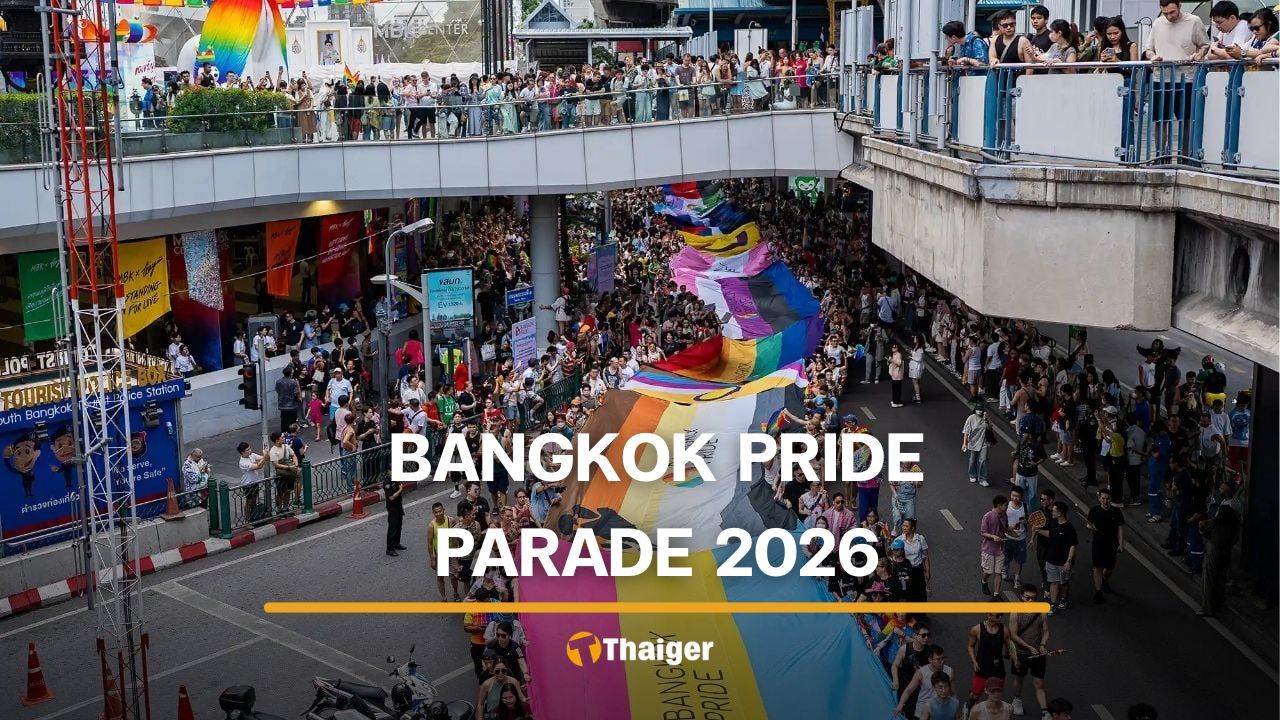
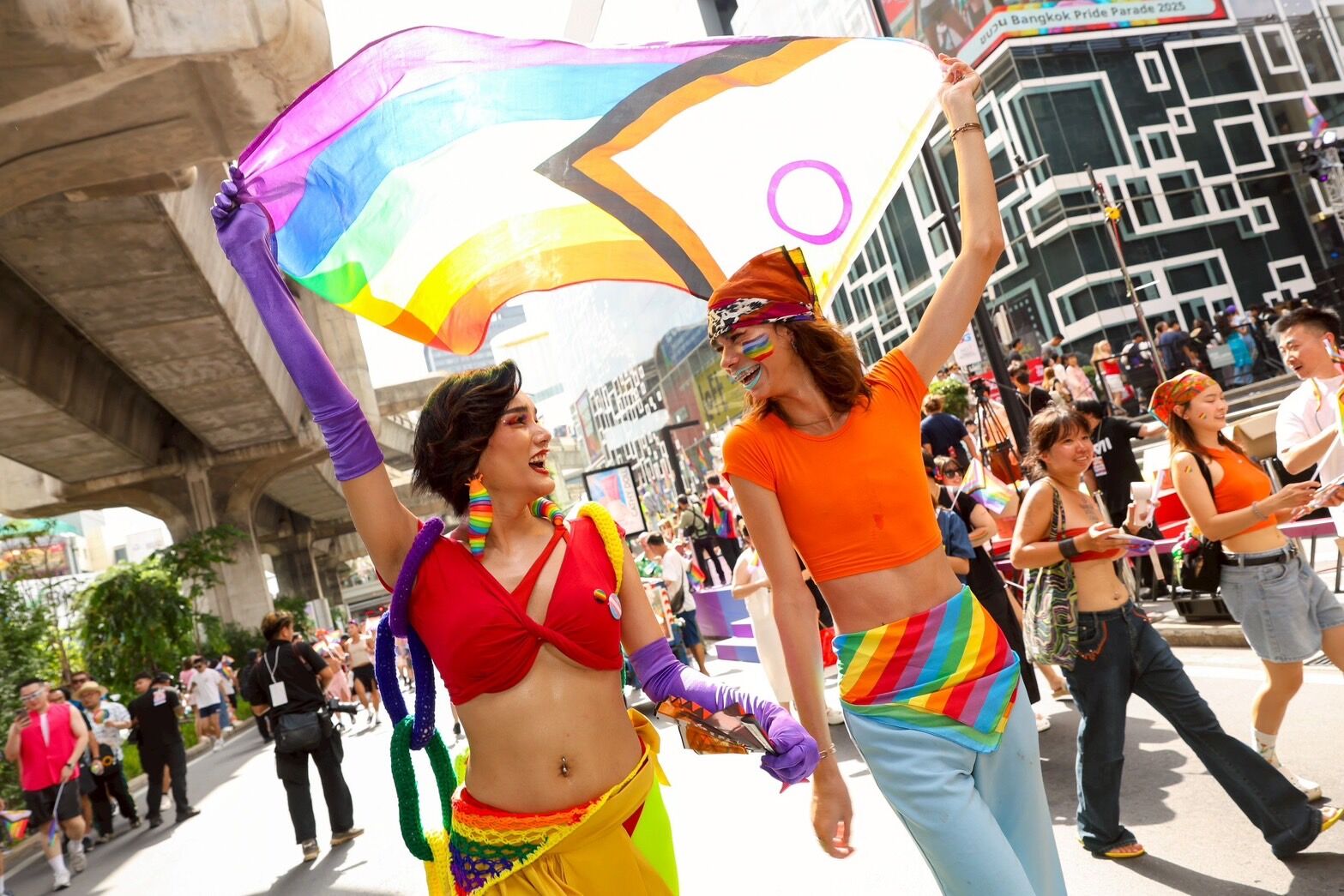
Bangkok’s annual Pride celebrations, which attract hundreds of thousands, and dedicated tourism campaigns like "Go Thai Be Free" further position Thailand as a premier LGBTQ+ destination. For investors, this translates into opportunities in hospitality, entertainment, and media sectors targeting a growing, loyal, and international demographic.
Legal Progress: Marriage Equality and Beyond
The passage of the Marriage Equality Act in January 2025 made Thailand the first Southeast Asian nation to legalize same-sex marriage, granting full legal, financial, and adoption rights to LGBTQ+ couples. This legislative milestone not only affirms Thailand’s social reality but also provides legal clarity and security for expats and investors considering long-term commitments or family life in the country.
Challenges and Nuances Remain
Despite these advances, challenges persist. Workplace discrimination and family pressures are still reported, and legal protections do not always guarantee social acceptance in every context. However, the overall direction is clear: Thailand’s blend of cultural, religious, and legal acceptance offers a uniquely supportive environment for LGBTQ+ individuals and those who wish to invest or settle here.
Conclusion: A Model for the Region
As Bangkok Pride 2026 approaches, Thailand stands as a regional leader in LGBTQ+ inclusivity—not just in law, but in lived experience. For expats and investors, the country’s deep-rooted acceptance, economic opportunities, and legal clarity make it an attractive and forward-thinking destination in Asia’s evolving landscape.
Source: The Thaiger
This article is provided for informational purposes only and does not constitute financial or legal advice. Information sourced from The Thaiger may have been edited for clarity. Always verify details with official sources before making any decisions.
Related Articles

India’s Airline Flight Cuts: What It Means for Thailand’s Tourism and Expat Investment
India’s top airlines are slashing domestic flights due to soaring jet fuel prices. This move could ripple into Thailand’s tourism and investment landscape, especially for expats and investors eyeing the Indian market.