Nvidia’s Bold Entry into Windows Laptops: What It Means for Investors and Expats in Thailand
Source: Business Times SG
Nvidia’s Strategic Leap: Disrupting the Windows Laptop Market
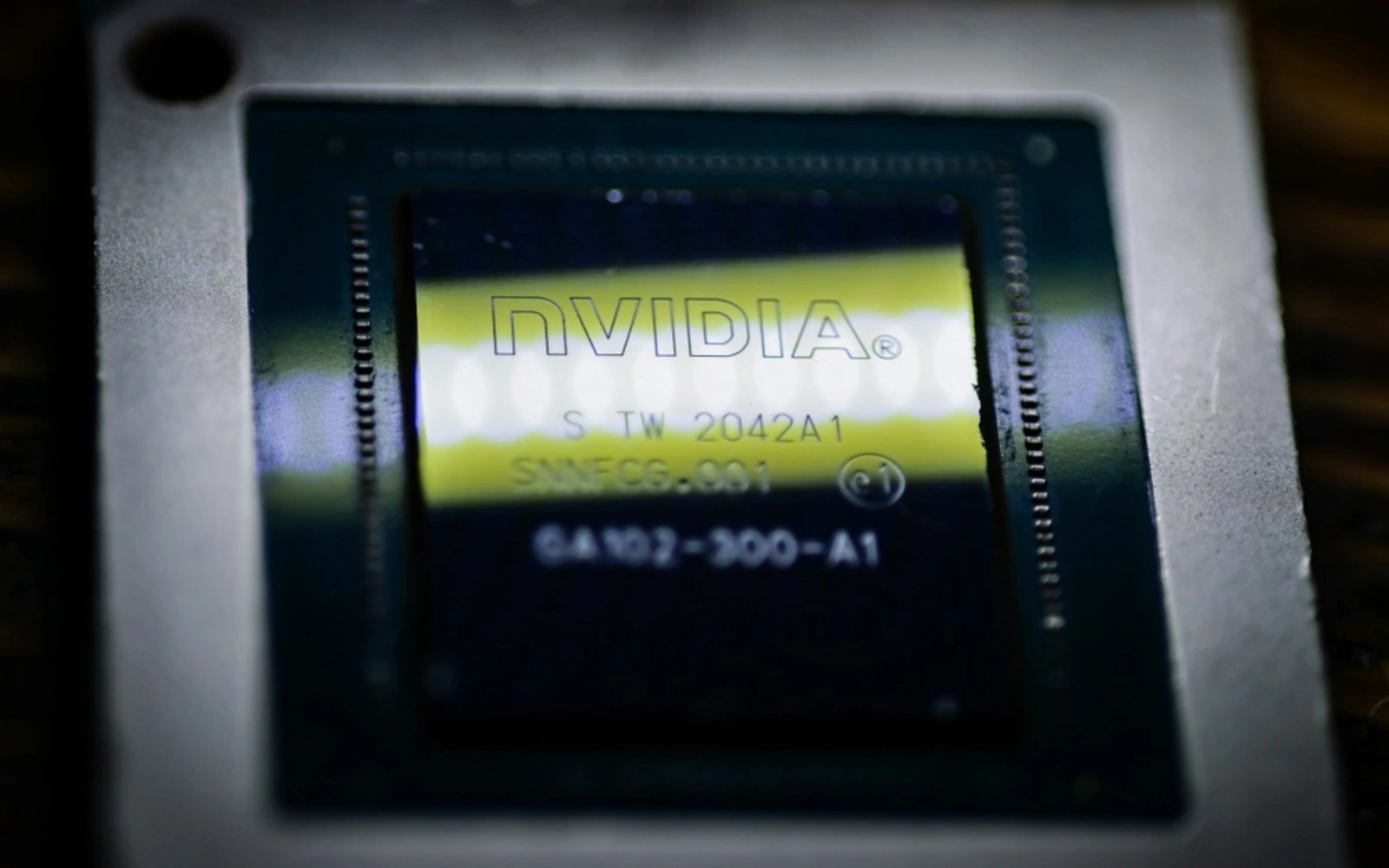
Nvidia, long celebrated for its dominance in data center and AI hardware, is making a decisive move into the Windows laptop market. With the introduction of the RTX Spark Superchip, Nvidia is directly challenging the longstanding duopoly of Intel and AMD in the personal computing space. This development is poised to reshape the competitive landscape, with far-reaching implications for investors, tech professionals, and expats in Thailand.
What Sets Nvidia’s RTX Spark Superchip Apart?
The RTX Spark Superchip is not just another processor. It combines a high-performance CPU (up to 20 computing cores) with a next-generation Blackwell GPU (6,144 cores), all sharing unified memory. This architecture, reminiscent of Nvidia’s data center technology, is designed to handle large AI models and demanding tasks such as advanced gaming and creative workloads. Manufactured by Taiwan Semiconductor Manufacturing Co (TSMC) using cutting-edge 3N process technology, the chip promises both power and efficiency.
- AI-First Design: The chip is optimized for AI workloads, positioning laptops as true AI companions for users.
- Power Efficiency: Built on Arm architecture, the chip offers significant power savings compared to traditional x86 processors, enabling thinner and lighter devices.
- Seamless Integration: Nvidia’s NVLink interface allows the CPU and GPU to communicate efficiently, a feature previously reserved for high-end servers.
Implications for Investors and Expats in Thailand
For investors, Nvidia’s expansion into the Windows laptop market represents a calculated bet on the future of AI-driven personal computing. The company’s data center revenues already dwarf those of Intel and AMD, but entering the consumer PC segment could unlock new growth avenues and diversify revenue streams. As Nvidia partners with global brands like Dell and Lenovo, its influence in the end-user device market is set to grow.
For expats and professionals in Thailand, this move is particularly relevant:
- Access to AI-Ready Devices: The new Nvidia-powered laptops will cater to users who need advanced AI capabilities for work, study, or creative pursuits—an attractive proposition for digital nomads and tech-savvy expats.
- Enhanced Productivity: Features like AI-powered content generation in software such as Adobe Photoshop, and improved gaming performance, will appeal to a broad user base.
- Security and Control: Nvidia emphasizes secure handling of AI models and user data, a growing concern for professionals handling sensitive information.
Challenges and Market Dynamics
Despite the promise, Nvidia faces several hurdles. The Windows PC ecosystem has been slow to adopt Arm-based chips, mainly due to software compatibility issues. However, Nvidia’s close collaboration with Microsoft aims to address these gaps, ensuring that popular applications are optimized for the new hardware. The company also asserts that current supply chain constraints will not affect the rollout, a reassuring sign for early adopters.
Meanwhile, Intel and AMD are unlikely to cede ground easily. Both incumbents have deep relationships with OEMs and a vast installed base. Yet, Nvidia’s track record in AI and graphics, coupled with its ability to bring data center-grade innovation to consumer devices, could tip the balance—especially as AI becomes central to personal and professional computing.
Outlook: A New Era for PCs in Southeast Asia
For Thailand’s expat and investor community, Nvidia’s entry signals a new era of competition and innovation in the PC market. As AI-driven features become standard, demand for high-performance, energy-efficient laptops is likely to rise. Investors should watch for how quickly Nvidia can gain traction and whether its technology can overcome the inertia of existing software ecosystems.
In summary, Nvidia’s foray into Windows laptops is more than a product launch—it’s a strategic play that could redefine the future of personal computing in Thailand and beyond.
Source: Business Times SG
This article is provided for informational purposes only and does not constitute financial or legal advice. Information sourced from Business Times SG may have been edited for clarity. Always verify details with official sources before making any decisions.
Related Articles
Nvidia’s AI-Powered Laptop Chip: A Game Changer for the PC Market and Investors
Nvidia’s launch of its RTX Spark chip for Windows laptops signals a strategic expansion into the consumer PC market, challenging industry giants and offering new opportunities for investors and expats in Asia.