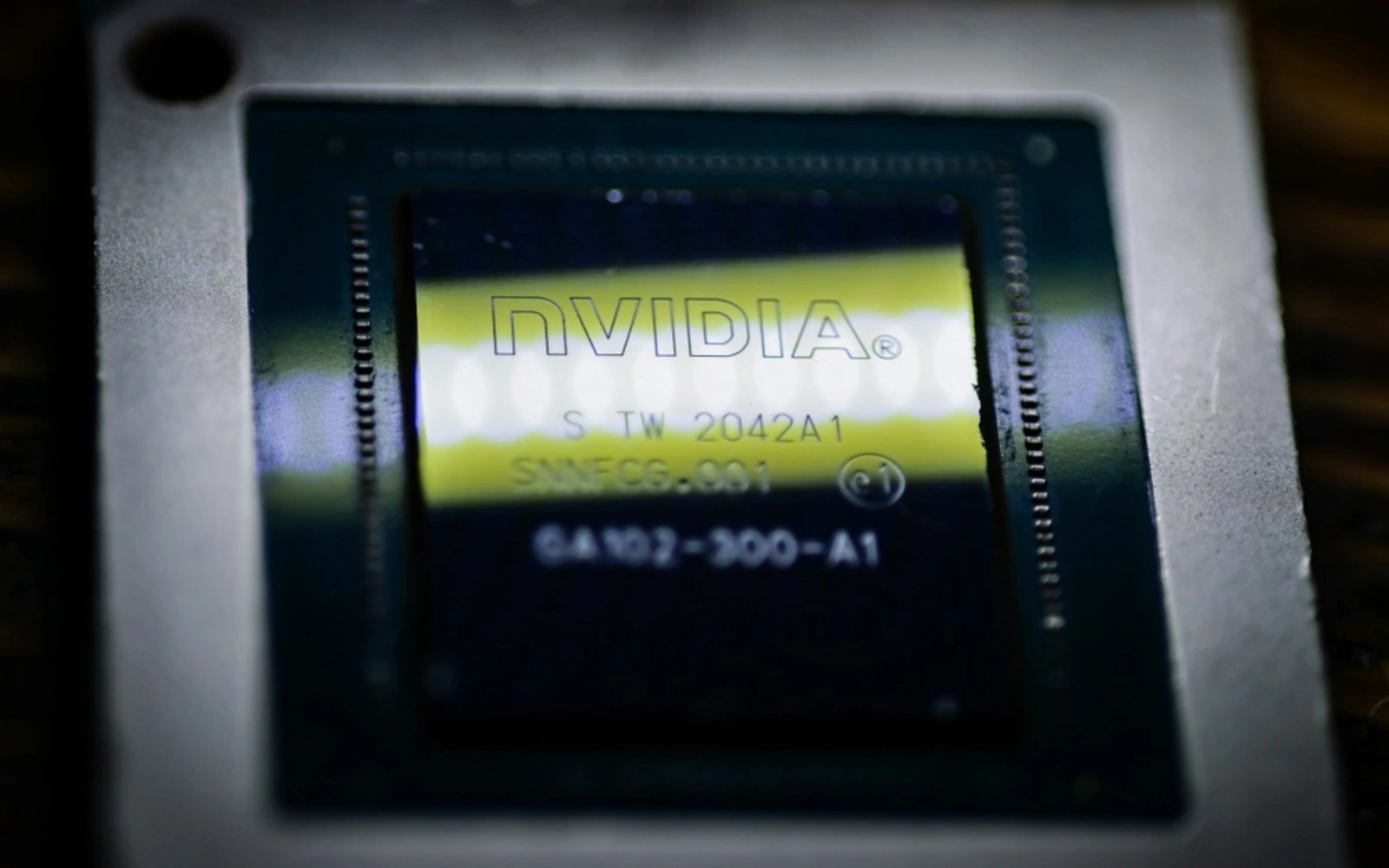
Nvidia’s AI-Powered Laptop Chip: A Game Changer for the PC Market and Investors
Source: Free Malaysia Today
Nvidia’s Strategic Leap: From Data Centers to Consumer Laptops
Nvidia, renowned for its dominance in AI data center processors, has unveiled a new laptop chip for Windows PCs, marking a significant move into the consumer market. This development, announced ahead of the Computex technology show in Taipei, positions Nvidia to directly challenge established players like Apple, Intel, and AMD in the lucrative personal computing sector.
What Makes Nvidia’s RTX Spark Chip Stand Out?
The newly launched RTX Spark chip is designed to power next-generation consumer laptops with advanced artificial intelligence capabilities. Nvidia’s CEO, Jensen Huang, emphasized the chip’s versatility, highlighting its ability to handle complex tasks ranging from digital biology to seismic processing and astrophysics. This signals a shift towards AI-integrated PCs that can support both professional and creative workloads with unprecedented efficiency.
- AI Integration: The chip is optimized to run AI agents and applications natively, setting a new standard for personal computing power.
- Performance: Nvidia claims the chip can handle a wide spectrum of demanding tasks, potentially outpacing current offerings from competitors.
- Collaboration with Microsoft: The optimization of both hardware and software ensures seamless performance for Windows users, further strengthening Nvidia’s position in the PC ecosystem.
Implications for the PC Market
Nvidia’s entry into the consumer laptop segment is poised to disrupt the status quo. Apple’s M-series chips have set a high bar for performance and efficiency, while Intel and AMD have long dominated the Windows PC landscape. Nvidia’s AI-centric approach could accelerate innovation, prompting competitors to enhance their own AI capabilities and potentially leading to a new era of smart, adaptive personal computers.
- Competitive Pressure: The move is likely to intensify competition, driving rapid advancements in AI hardware and software integration.
- Premium Pricing: Early devices featuring the RTX Spark chip are expected to carry a premium price tag, targeting professionals, creators, and tech enthusiasts.
- Market Diversification: For Nvidia, this expansion reduces reliance on data center revenues and opens new consumer revenue streams.
Opportunities for Investors and Expats in Asia
For expats and investors in Thailand and across Asia, Nvidia’s strategic pivot offers several key takeaways:
- Growth Potential: As the world’s most valuable company, Nvidia’s foray into consumer PCs could unlock significant growth, especially as AI adoption accelerates in the region.
- Tech Ecosystem Impact: The launch may stimulate local demand for AI-powered devices, benefiting regional distributors, retailers, and related service providers.
- Investment Signals: Nvidia’s diversification signals confidence in sustained AI demand beyond data centers, making its stock and supply chain partners attractive for long-term investors.
Challenges and Considerations
Despite the promise, there are hurdles to widespread adoption. The anticipated high cost of RTX Spark-powered laptops may limit initial uptake to niche markets. Additionally, software ecosystems and user familiarity will play a crucial role in determining the success of AI-integrated PCs.
Conclusion
Nvidia’s launch of the RTX Spark chip for Windows laptops marks a pivotal moment for the global PC market. For expats, investors, and tech enthusiasts in Asia, this development heralds a new era of AI-driven personal computing, with potential ripple effects across the technology landscape. As competition heats up, staying informed about these shifts will be key to capitalizing on emerging opportunities.
Source: Free Malaysia Today
This article is provided for informational purposes only and does not constitute financial or legal advice. Information sourced from Free Malaysia Today may have been edited for clarity. Always verify details with official sources before making any decisions.