Singapore Overtakes Indonesia as Southeast Asia’s Stock Market Leader: Implications for Investors
Source: VnExpress
Singapore Regains Top Spot in Southeast Asia’s Stock Market Rankings
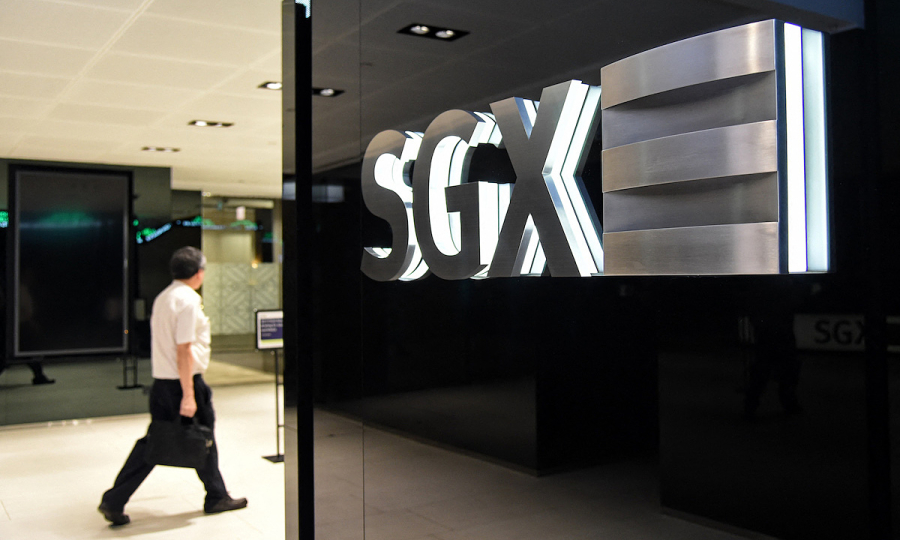
In a significant shift for regional investors, Singapore has overtaken Indonesia to become Southeast Asia’s largest stock market by capitalization. This development comes as Indonesia’s market faces headwinds, prompting a reassessment of investment strategies across the region.
What Drove the Shift?
The reversal in rankings is primarily attributed to a sharp decline in Indonesia’s market capitalization, which has been weighed down by economic uncertainty and a less favorable outlook for key sectors. In contrast, Singapore’s market has demonstrated resilience, buoyed by its strong financial sector and global investor confidence.
- Indonesia’s Market Cap Decline: Indonesia’s stock market, once the regional leader, has seen its total value shrink. Concerns over currency volatility, political uncertainty, and weaker commodity prices have contributed to a more cautious investor sentiment.
- Singapore’s Stability: Singapore’s exchange, known for its transparency and regulatory rigor, has attracted steady inflows, particularly from institutional investors seeking safe havens amid global volatility.
Implications for Expats and Investors
For expats and investors, this development signals a potential recalibration of risk and opportunity in Southeast Asia’s capital markets.
- Renewed Interest in Singapore: Singapore’s return to the top spot may reinforce its reputation as the region’s financial hub. The city-state’s robust legal framework, ease of doing business, and international connectivity make it a preferred base for portfolio diversification and wealth management.
- Indonesia’s Long-Term Prospects: While current market conditions are challenging, Indonesia’s large domestic market and demographic trends still offer long-term growth potential. However, investors may need to adopt a more selective approach, focusing on sectors less exposed to macroeconomic risks.
- Regional Diversification: The changing fortunes of Southeast Asia’s two largest markets highlight the importance of diversification. Investors should consider balancing exposure between mature markets like Singapore and emerging opportunities elsewhere in the region.
Key Takeaways for Market Participants
Singapore’s ascendancy underscores the dynamic nature of Southeast Asia’s investment landscape. For expats and global investors, the following considerations are paramount:
- Monitor Policy Shifts: Both Singapore and Indonesia are likely to adjust policies in response to market developments. Staying informed on regulatory changes can help investors anticipate risks and opportunities.
- Focus on Fundamentals: In uncertain times, companies with strong balance sheets, stable earnings, and prudent management are likely to outperform.
- Leverage Local Expertise: Partnering with local advisors or financial institutions can provide valuable insights into market nuances and help navigate regulatory complexities.
Conclusion
Singapore’s rise to the top of Southeast Asia’s stock market rankings is more than a symbolic victory—it reflects deeper shifts in investor confidence and regional economic dynamics. While Indonesia’s challenges are real, its long-term story remains compelling. For expats and investors, the evolving landscape presents both cautionary lessons and fresh opportunities for growth in the region.
Source: VnExpress
This article is provided for informational purposes only and does not constitute financial or legal advice. Information sourced from VnExpress may have been edited for clarity. Always verify details with official sources before making any decisions.
Related Articles

How Law Enforcement Success in Eastern Visayas Shapes Investment Prospects
Recent police operations in Eastern Visayas have led to the arrest of 61 wanted individuals, signaling a stronger rule of law and improved safety. This development holds significant implications for expats and investors considering opportunities in the region.

