India’s Airline Flight Cuts: What It Means for Thailand’s Tourism and Expat Investment
Source: VnExpress
India’s Flight Reductions: A Ripple Effect for Thailand
India’s two largest airlines, IndiGo and Air India, have announced significant reductions in their planned domestic flights for June and July. The decision, prompted by surging jet fuel prices following the Iran war, is a critical development for Thailand’s tourism sector and for expats and investors with interests in the region.
Understanding the Immediate Impact
The reduction in domestic flights within India may seem, at first glance, to be a purely local issue. However, given India’s status as one of Thailand’s fastest-growing source markets for tourists and business travelers, the consequences could be far-reaching. Fewer domestic connections in India can disrupt feeder routes to major international airports, potentially reducing the flow of Indian travelers to Thailand.
Key Implications for Thailand’s Tourism Industry
- Potential Dip in Indian Arrivals: Indian tourists have become a mainstay of Thailand’s tourism recovery post-pandemic. With fewer domestic flights, travelers from India’s secondary cities may find it harder or more expensive to reach international gateways, possibly leading to a short-term dip in arrivals.
- Rising Airfares: Higher jet fuel costs and reduced flight capacity typically lead to increased ticket prices. This could make Thailand less accessible for price-sensitive Indian travelers, impacting hotels, tour operators, and retail sectors in key destinations like Bangkok, Phuket, and Pattaya.
- Shifting Traveler Demographics: With higher costs, the profile of Indian visitors may shift toward higher-income segments, potentially altering demand patterns for luxury versus budget services.
Considerations for Expats and Investors
- Real Estate and Hospitality: Investors in Thailand’s real estate and hospitality sectors should monitor booking trends from India closely. A sustained reduction in arrivals could affect occupancy rates and rental yields, particularly in markets reliant on Indian group tours and weddings.
- Business Connectivity: For expats and businesses with operations in both countries, reduced flight options may complicate travel plans and logistics, emphasizing the need for flexible arrangements and contingency planning.
- Airline Partnerships and Route Development: This situation may prompt Thai carriers to reassess their own India strategies, possibly leading to new direct routes from underserved Indian cities or increased marketing efforts to capture premium travelers.
Strategic Responses and Opportunities
While the immediate outlook suggests challenges, there are also opportunities for proactive stakeholders:
- Targeting Premium Segments: With budget travelers potentially priced out, Thai tourism operators can pivot to attract affluent Indian visitors, focusing on bespoke experiences and luxury services.
- Leveraging Digital Marketing: Increased digital outreach in India’s major metros could help sustain demand, even as regional connectivity falters.
- Exploring Alternative Markets: Diversifying source markets can help mitigate the risk of over-reliance on Indian arrivals during periods of volatility.
Conclusion: Navigating Uncertainty
The cutback in Indian domestic flights is a reminder of the interconnectedness of regional aviation and tourism. For Thailand’s expat community and investors, staying agile and informed will be crucial as the situation evolves. Monitoring travel trends, adjusting business strategies, and exploring new opportunities will help weather the turbulence and position for future growth.
Source: VnExpress
This article is provided for informational purposes only and does not constitute financial or legal advice. Information sourced from VnExpress may have been edited for clarity. Always verify details with official sources before making any decisions.
Related Articles

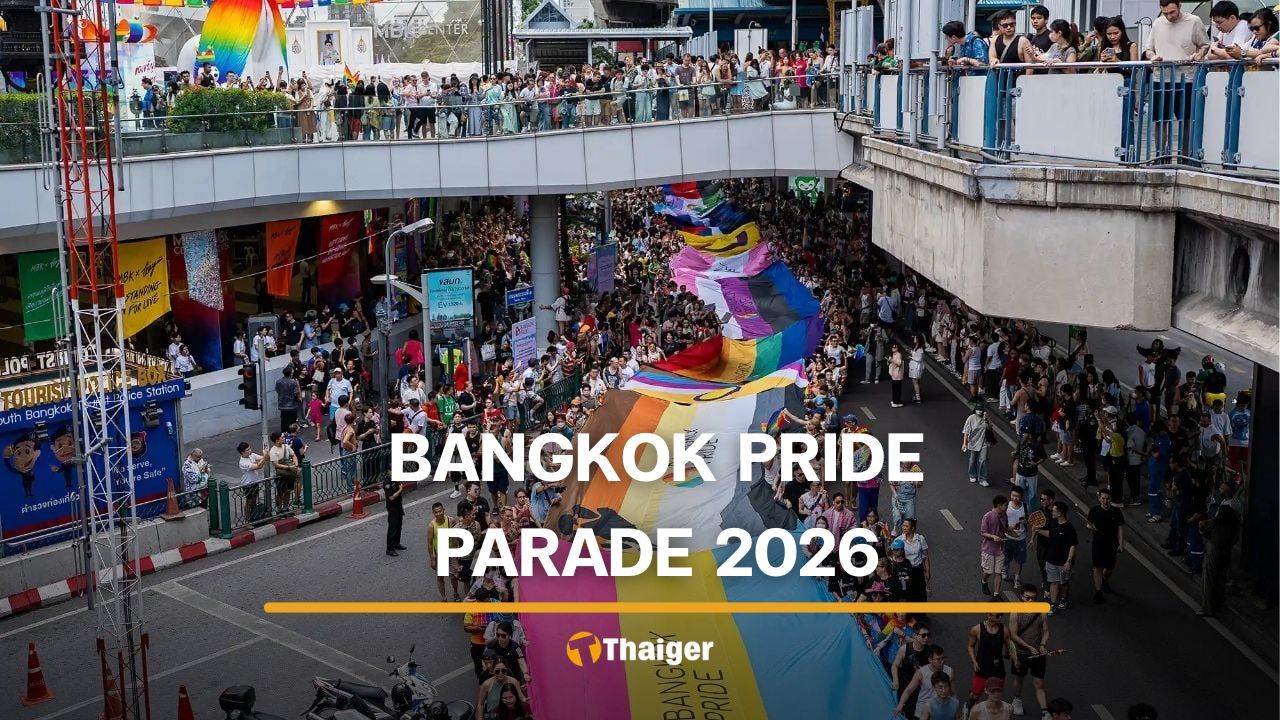
Thailand’s Enduring LGBTQ+ Inclusivity: Cultural Roots and Modern Momentum for Expats and Investors
Thailand’s LGBTQ+ acceptance is deeply rooted in its culture and history, not just recent legal changes. As Bangkok Pride 2026 approaches, the country’s unique blend of tradition, religion, and modern policy offers compelling insights for expats, investors, and global observers.