
Indonesia’s Aviation Market: What 10 Million Seats in May Means for Southeast Asia’s Travel Landscape
Source: VnExpress
Indonesia’s Aviation Supremacy: A Closer Look at the Numbers
Indonesia has once again asserted its position as Southeast Asia’s largest aviation market, offering a staggering 10 million airline seats in May 2024. While this figure represents a 7% decline compared to the same month last year, it still far outpaces regional peers. For expats, investors, and travel industry stakeholders, these numbers offer both reassurance and food for thought about the evolving landscape of air travel in the region.
Understanding the Market Dynamics
Indonesia’s aviation sector is unique in Southeast Asia due to its geography and population. As an archipelago of over 17,000 islands and a population exceeding 270 million, domestic air travel is not just a convenience—it’s a necessity. The country’s major carriers, including Garuda Indonesia, Lion Air, and Citilink, have historically focused on connecting remote regions, supporting both tourism and economic integration.
Despite the 7% year-on-year capacity drop, Indonesia’s 10 million seats in May underscore a robust recovery from the pandemic lows. This resilience is particularly notable given the global headwinds facing aviation, such as fuel price volatility, inflation, and shifting travel patterns.
Implications for Expats and Investors
For expatriates living in Indonesia or considering relocation, the country’s extensive air connectivity remains a major advantage. Frequent flights between key cities such as Jakarta, Bali, Surabaya, and Medan make both business and leisure travel efficient. This connectivity also supports the growing trend of remote work and digital nomadism, with Bali continuing to attract international talent.
From an investment perspective, Indonesia’s aviation sector offers several insights:
- Resilience and Scale: Even with a temporary dip, the sheer volume of seats signals a market with deep demand fundamentals.
- Domestic Focus: The dominance of domestic routes suggests opportunities in secondary cities and emerging tourist destinations, not just traditional hotspots.
- Infrastructure Growth: Ongoing investments in airport upgrades and new routes are likely to enhance capacity and efficiency, creating openings for private sector participation.
Regional Competition and Opportunity
Indonesia’s continued lead comes at a time when other Southeast Asian markets are also ramping up capacity. Thailand, Vietnam, and Malaysia are all seeing rapid growth in both domestic and international air travel as tourism rebounds. However, Indonesia’s scale gives it a unique edge, especially for investors looking at long-term trends.
For travel businesses and hospitality investors, Indonesia’s aviation strength translates into a steady flow of both domestic and international visitors. This supports hotel development, tour operations, and ancillary services in both established and emerging destinations.
Challenges and the Road Ahead
The 7% capacity decline should not be ignored. It reflects ongoing challenges such as fleet modernization, regulatory hurdles, and the need for sustainable growth. Airlines are under pressure to balance profitability with expansion, and the sector must adapt to evolving traveler expectations, including digital booking and eco-friendly options.
For expats and investors, staying attuned to these shifts is crucial. Market leaders may change, but Indonesia’s fundamentals—demographics, geography, and economic potential—suggest its aviation sector will remain a regional powerhouse for years to come.
Key Takeaways:
- Indonesia remains Southeast Asia’s largest aviation market by seat capacity, despite a recent dip.
- Robust domestic demand and ongoing infrastructure investments underpin long-term growth.
- Opportunities abound for expats, investors, and travel businesses, especially in secondary cities and emerging destinations.
Source: VnExpress
This article is provided for informational purposes only and does not constitute financial or legal advice. Information sourced from VnExpress may have been edited for clarity. Always verify details with official sources before making any decisions.
Related Articles
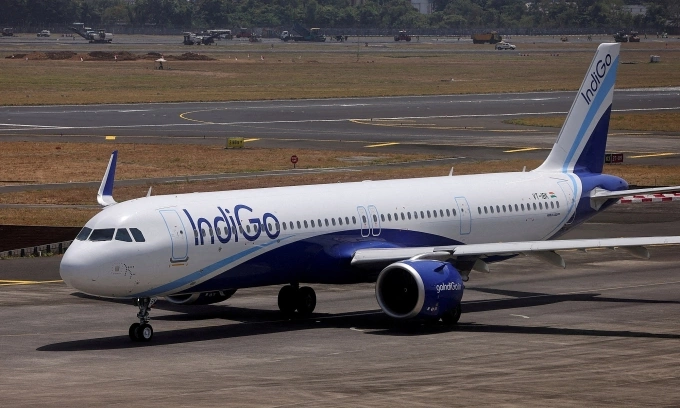
India’s Airline Flight Cuts: What It Means for Thailand’s Tourism and Expat Investment
India’s top airlines are slashing domestic flights due to soaring jet fuel prices. This move could ripple into Thailand’s tourism and investment landscape, especially for expats and investors eyeing the Indian market.