Pokemon Center Singapore Reopens: What It Means for Expats and Investors in Southeast Asia
Source: VnExpress
Pokemon Center Singapore: A Strategic Reopening at Changi Airport
The much-anticipated reopening of the Pokemon Center at Jewel Changi Airport on July 1 marks a significant milestone for both the brand and the region. As the first full-scale store revamp outside Japan, this move is not just about retail—it’s a signal of evolving consumer trends, tourism strategies, and investment opportunities in Southeast Asia. For expats and investors in Thailand and the broader region, the implications are worth a closer look.
Retailtainment: Blending Experience with Commerce
The Pokemon Center’s transformation is emblematic of the "retailtainment" trend—where shopping is merged with entertainment and immersive experiences. The store’s relaunch, featuring exclusive merchandise like the much-hyped Durian Pikachu, is designed to attract both local fans and international travelers. This approach is particularly relevant in Southeast Asia, where malls and airports are increasingly becoming lifestyle destinations rather than mere transit points.
- For expats: The rise of experiential retail offers new lifestyle options and community hubs, especially for families and young professionals seeking unique leisure activities.
- For investors: Brands that successfully blend global appeal with local flavors—like Pokemon’s durian-themed merchandise—can unlock new revenue streams and customer loyalty.
Changi Airport: A Model for Regional Tourism Hubs
Changi Airport’s Jewel complex has set a benchmark for integrating retail, entertainment, and hospitality. The Pokemon Center’s reopening reinforces Changi’s status as a destination in itself, not just a transit hub. This model is increasingly relevant for airports and shopping centers in Thailand, such as Bangkok’s Suvarnabhumi and Don Mueang airports, which are seeking to enhance passenger experiences and capture more non-aeronautical revenue.
- For tourism operators: The success of themed retail can inspire similar concepts in Thailand, leveraging popular culture to drive foot traffic and spending.
- For property developers: Investing in mixed-use developments that combine retail, leisure, and cultural attractions can yield higher returns and resilience against e-commerce disruption.
Cross-Cultural Branding: Lessons from Pokemon’s Localization
The introduction of a Durian Pikachu—a playful nod to Southeast Asia’s beloved (and divisive) fruit—demonstrates how global brands can localize their offerings to resonate with regional audiences. This strategy not only boosts sales but also fosters emotional connections with consumers.
- For brand managers: Tailoring products to local tastes and cultural icons can differentiate offerings in crowded markets.
- For expat entrepreneurs: There is room to innovate by blending international concepts with Thai or Southeast Asian elements, whether in F&B, retail, or entertainment.
Implications for Thailand’s Tourism and Retail Sectors
Singapore’s proactive approach to revitalizing its airport retail experience offers valuable insights for Thailand, which is also seeking to rebound from pandemic-era tourism slumps. As international travel resumes, attractions that offer unique, Instagrammable experiences—like themed stores or pop culture tie-ins—are likely to capture the attention of both tourists and locals.
For investors, the message is clear: the future of retail and tourism in Southeast Asia lies in innovation, localization, and the seamless integration of physical and digital experiences. The Pokemon Center’s reopening is more than a fan event—it’s a case study in how to create value in a rapidly changing landscape.
Source: VnExpress
This article is provided for informational purposes only and does not constitute financial or legal advice. Information sourced from VnExpress may have been edited for clarity. Always verify details with official sources before making any decisions.
Related Articles
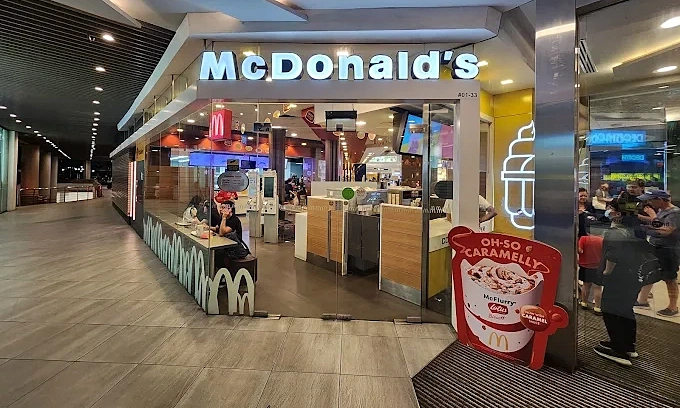
Singapore’s Surprising McDonald’s Prices: What They Reveal for Expats and Investors
A British tourist’s viral claim that McDonald’s is cheaper in Singapore than the UK challenges assumptions about the city-state’s costliness. What does this mean for expats, investors, and the broader hospitality sector?