Vietnam’s Senior Living Sector: New Investment Frontiers for Expats and Global Investors
Source: VnExpress
Vietnam’s Senior Living Sector: A New Investment Horizon
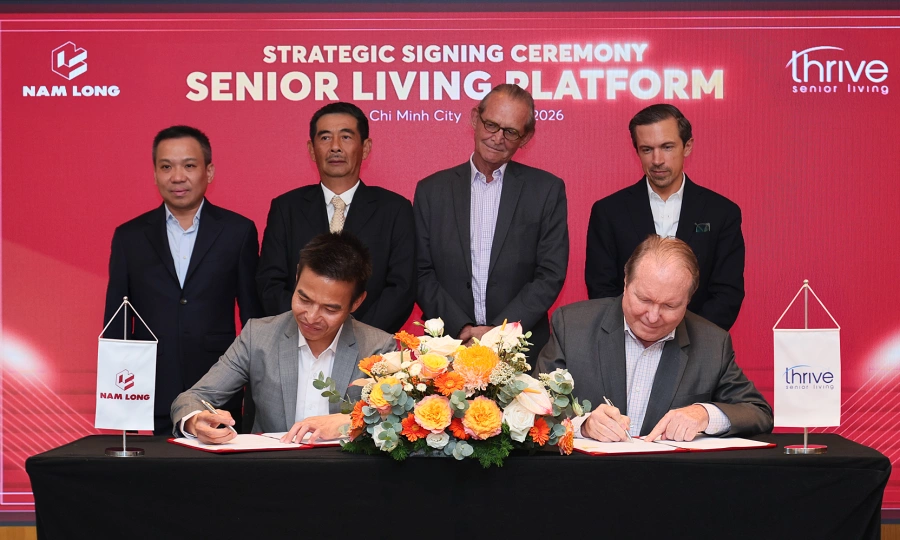
Vietnam’s property market is entering a transformative phase as Nam Long Commercial Property, a subsidiary of Nam Long Group, forges a strategic alliance with Thrive to develop a comprehensive senior living ecosystem. This move marks a significant step beyond traditional residential and commercial real estate, positioning Vietnam as an emerging player in Asia’s specialized housing and care services sector.
Why Senior Living? Demographic and Economic Drivers
Vietnam is experiencing rapid demographic changes. The proportion of citizens aged 60 and above is projected to rise sharply in the coming decades, mirroring trends seen in more developed Asian economies. This demographic shift is creating a substantial demand for senior-friendly housing and integrated care services—an area that has, until now, been underserved in Vietnam’s real estate landscape.
For expats and global investors, this presents a unique opportunity. As the middle class expands and healthcare standards improve, Vietnamese families are increasingly seeking high-quality, purpose-built environments for their aging relatives. The partnership between Nam Long and Thrive aims to address this gap by introducing international best practices in senior living design, operations, and healthcare integration.
Strategic Implications for Investors
- First-mover Advantage: The senior living sector in Vietnam is still in its infancy. Early entrants can shape market standards and capture significant market share as demand accelerates.
- Stable, Long-term Returns: Senior living developments typically offer steady occupancy rates and recurring revenue streams, appealing to investors seeking resilience against market cycles.
- Potential for Cross-border Collaboration: The Nam Long-Thrive partnership exemplifies the value of combining local market knowledge with international expertise. This model could pave the way for further joint ventures, technology transfers, and operational partnerships.
Challenges and Considerations
While the sector’s prospects are promising, investors should be mindful of several challenges:
- Regulatory Framework: Vietnam’s legal and regulatory environment for senior care is still evolving. Investors should monitor policy developments and ensure compliance with emerging standards.
- Cultural Adaptation: Senior living models must be tailored to Vietnamese cultural norms, family structures, and expectations regarding elder care.
- Workforce Development: The success of senior living projects hinges on the availability of trained healthcare and hospitality professionals—a segment that may require significant investment in training and recruitment.
Outlook for Expats and Foreign Investors
For expats residing in Vietnam or those considering long-term stays, the emergence of modern senior living facilities could enhance lifestyle options and peace of mind for aging family members. For global investors, the sector offers a chance to diversify portfolios with assets that are both socially impactful and financially attractive.
As Vietnam’s senior living market matures, we can expect increased interest from international operators, private equity funds, and healthcare providers. The Nam Long-Thrive partnership is likely just the beginning of a broader trend that will reshape Vietnam’s property and healthcare sectors in the years ahead.
Source: VnExpress
This article is provided for informational purposes only and does not constitute financial or legal advice. Information sourced from VnExpress may have been edited for clarity. Always verify details with official sources before making any decisions.
Related Articles

Mayon Volcano’s Renewed Activity: Implications for Investors and Expats in the Philippines
Mayon Volcano's ongoing eruptions and ash emissions present both immediate risks and long-term considerations for investors and expatriates in the Philippines, particularly in the Bicol region. This analysis explores the economic, real estate, and infrastructure impacts, as well as potential opportunities arising from the situation.