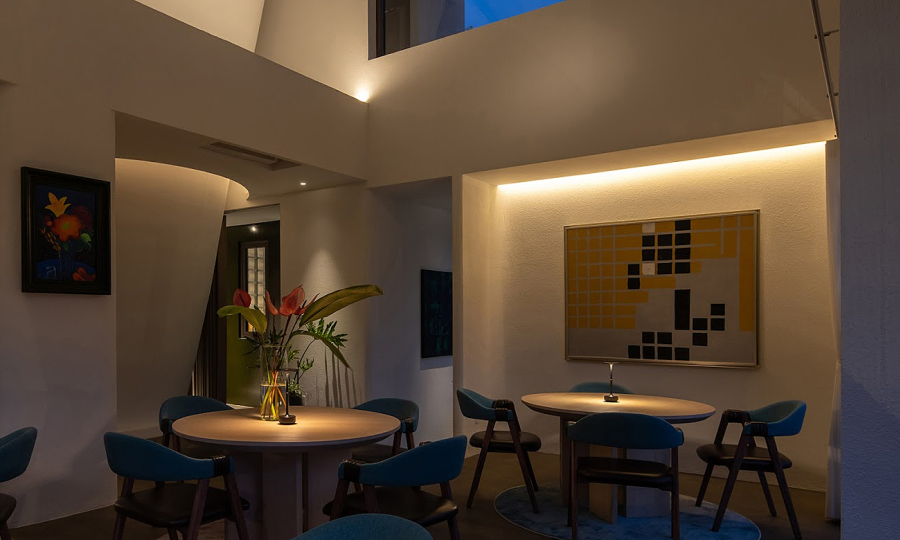
Solo Dining in Ho Chi Minh City: Michelin’s Picks and What They Mean for Expats and Investors
Source: VnExpress
Solo Dining: A Rising Trend in Ho Chi Minh City
For many, the idea of dining alone conjures images of awkwardness or isolation. Yet in Ho Chi Minh City, the solo dining experience is being reimagined, thanks in part to the discerning eyes of Michelin inspectors. Their recent spotlight on venues—from bustling pho stalls to refined dining rooms—underscores a shift in both local culture and the city’s hospitality landscape.
Michelin’s Endorsement: More Than Just a List
Michelin’s recognition of solo-friendly establishments is significant. It signals to expats, investors, and hospitality professionals that Ho Chi Minh City is not only keeping pace with global dining trends but is also cultivating a welcoming environment for all types of diners. The selected venues range from traditional Vietnamese eateries to contemporary fine dining, each offering a unique take on solo dining comfort.
- Pho Hoa Pasteur: A legendary noodle shop where counter seating and quick service make solo meals the norm.
- Pizza 4P’s: Modern, open kitchens and communal tables create a relaxed atmosphere for individuals.
- Anan Saigon: A Michelin-starred venue where bar seating lets solo guests interact with chefs and enjoy a curated tasting experience.
Why Solo Dining Matters for Expats
For expatriates, especially those new to Vietnam, solo dining options are more than a convenience—they’re a gateway to local culture and community. Restaurants that cater to individuals often foster a sense of inclusion, making it easier for newcomers to explore the city’s culinary landscape without feeling out of place. The trend also reflects changing lifestyles, with more professionals and digital nomads seeking flexible, unhurried dining experiences.
Investor Insights: Opportunities in the Solo Segment
The growing acceptance and even celebration of solo dining in Ho Chi Minh City presents clear opportunities for investors. As urbanization accelerates and the city’s middle class expands, demand for diverse dining formats is rising. Concepts that prioritize comfort, efficiency, and quality for solo guests—such as counter seating, open kitchens, and personalized service—are likely to see increased patronage.
Furthermore, Michelin’s endorsement can drive international attention, boosting the profile of local brands and attracting culinary tourism. Investors should note the potential for scalable concepts that blend local authenticity with global dining trends, particularly in central business districts and expat-heavy neighborhoods.
Challenges and Considerations
While the solo dining trend is promising, it comes with challenges. Operators must balance the needs of solo diners with those of groups, ensuring efficient turnover without sacrificing hospitality. Menu design, seating arrangements, and staff training all play a role in creating a seamless experience. Additionally, as competition intensifies, differentiation through quality and ambiance will be key.
Conclusion: A City on the Culinary Map
Ho Chi Minh City’s embrace of solo dining, as recognized by Michelin, is a testament to its dynamic food scene and evolving urban culture. For expats, it means more accessible and enjoyable ways to connect with Vietnamese cuisine. For investors, it signals a maturing market with room for innovation and growth. As the city continues to attract global attention, its solo-friendly restaurants are poised to become both cultural touchstones and business opportunities.
Source: VnExpress
This article is provided for informational purposes only and does not constitute financial or legal advice. Information sourced from VnExpress may have been edited for clarity. Always verify details with official sources before making any decisions.
Related Articles
Da Nang: Vietnam’s Rising Digital Nomad Hub and What It Means for Expats and Investors
Da Nang is rapidly positioning itself as a premier destination for digital nomads, challenging Southeast Asia’s established hotspots. This article analyzes the city’s appeal, the implications for expats, and the opportunities and challenges for investors.