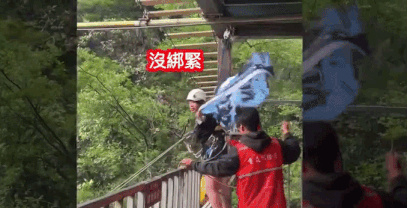
Tourism Safety Under Scrutiny: Lessons for Thailand from China’s Cliff Swing Tragedy
Source: VnExpress
Adventure Tourism: A Booming Yet Risky Sector
Adventure tourism has become a magnet for young travelers and thrill-seekers worldwide. Activities like bungee jumping, ziplining, and cliff swinging offer both adrenaline and Instagram-worthy moments. However, a recent tragedy in China—where a 16-year-old tourist died after a safety rope failure on a cliff swing in Sichuan—has cast a spotlight on the urgent need for robust safety standards in this rapidly growing sector.
Implications for Thailand’s Tourism Industry
Thailand, with its lush landscapes and reputation for adventure activities, is no stranger to the risks inherent in this segment. The country’s tourism sector is a critical pillar of the economy, and adventure tourism is a key driver for attracting younger, higher-spending visitors. However, incidents like the one in China serve as a stark reminder: safety lapses can have devastating consequences—not only for individuals, but for a destination’s brand and investor confidence.
Key Lessons for Thailand
- Regulatory Oversight: The Sichuan incident highlights the importance of strict regulatory frameworks. Thailand’s tourism authorities must ensure that operators of high-risk attractions are regularly inspected and certified, with clear penalties for non-compliance.
- Operator Accountability: Adventure tourism businesses must be held to international safety standards. Transparent reporting of incidents, mandatory insurance, and staff training are non-negotiable for building trust with both tourists and investors.
- Reputation Management: In the age of social media, news of accidents spreads rapidly. Proactive crisis management and transparent communication are essential to mitigate reputational damage and reassure both tourists and stakeholders.
Investor Perspective: Risk and Opportunity
For investors, the adventure tourism sector in Thailand offers significant upside—but only if safety is prioritized. A single high-profile accident can lead to costly lawsuits, regulatory crackdowns, and a sharp decline in bookings. Conversely, operators with a proven safety record and robust risk management protocols are likely to command premium pricing and investor interest.
Investors should conduct due diligence, focusing on:
- Compliance with Thai and international safety standards
- Track record of incident reporting and resolution
- Insurance coverage and crisis response capabilities
- Staff training and equipment maintenance regimes
What Can Thailand Do Next?
Thailand’s tourism authorities and private sector must work together to:
- Update and enforce safety regulations for adventure tourism
- Promote certification programs for operators and guides
- Launch public awareness campaigns on safety for both tourists and businesses
- Encourage transparent incident reporting and data sharing
By learning from incidents abroad and taking proactive steps, Thailand can position itself as a leader in safe, sustainable adventure tourism—protecting both its visitors and its global reputation.
Source: VnExpress
This article is provided for informational purposes only and does not constitute financial or legal advice. Information sourced from VnExpress may have been edited for clarity. Always verify details with official sources before making any decisions.
Related Articles

Da Nang: Vietnam’s Rising Digital Nomad Hub and What It Means for Expats and Investors
Da Nang is rapidly positioning itself as a premier destination for digital nomads, challenging Southeast Asia’s established hotspots. This article analyzes the city’s appeal, the implications for expats, and the opportunities and challenges for investors.