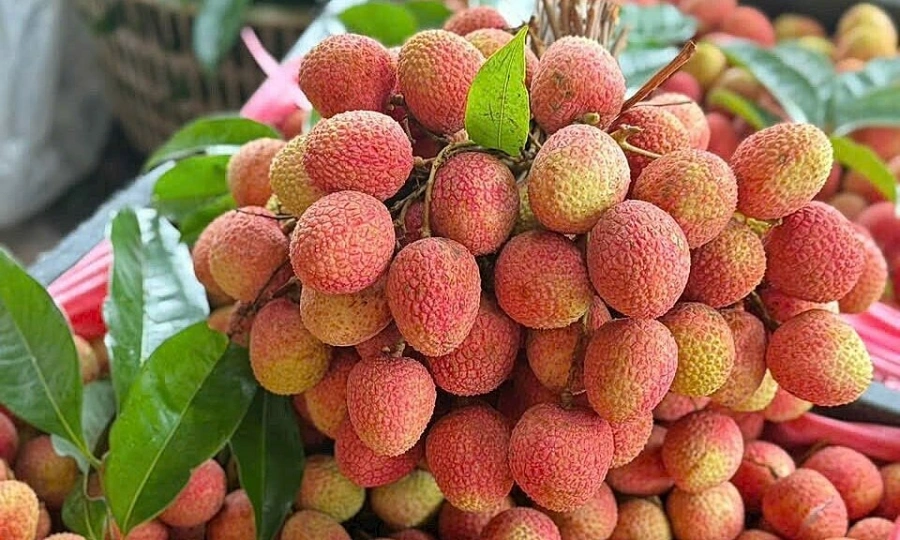
Vietnam’s Lychee Output Slump: Implications for Investors and Regional Trade
Source: VnExpress
Vietnam’s Lychee Harvest Faces Steep Decline in 2024
Vietnam, a leading global supplier of lychees, is bracing for a significant drop in output this year. Early-season yields have already fallen by 35-50%, with total production expected to reach only 85,000-90,000 tonnes. This downturn, primarily attributed to unfavorable weather conditions, has broad implications for the country’s agricultural sector, export markets, and regional investors.
Weather Woes and Supply Chain Disruptions
Unpredictable weather patterns, including unseasonal rains and temperature fluctuations, have disrupted the flowering and fruiting cycles of lychee trees. This has not only reduced the volume of harvestable fruit but also affected the quality, making it harder for growers to meet export standards. For expats and investors with stakes in Vietnam’s agribusiness, these developments underscore the vulnerability of the sector to climate variability and the importance of risk mitigation strategies.
Economic Impact: From Farms to Export Markets
Lychees are a vital cash crop for northern provinces like Bac Giang and Hai Duong, supporting thousands of smallholder farmers. The anticipated shortfall will likely drive up domestic prices, benefiting some growers but squeezing processors and exporters who rely on stable supply. For foreign investors, this scenario presents both challenges and opportunities:
- Price Volatility: Lower supply may boost farm-gate prices, but could also reduce export competitiveness if prices rise too sharply.
- Export Dynamics: Vietnam’s main lychee markets include China, the US, Australia, and the EU. Reduced output may lead to missed contracts or a shift in market focus to premium buyers willing to pay more for quality fruit.
- Supply Chain Investments: There may be renewed interest in investing in cold storage, logistics, and processing facilities to maximize value from smaller harvests and minimize post-harvest losses.
Regional Trade and Competitive Landscape
Vietnam’s lychee woes could have ripple effects across Southeast Asia. Neighboring countries like Thailand and China may see increased demand for their own lychee crops as buyers seek alternative sources. This could present an opportunity for Thai exporters and investors to fill the supply gap, especially in premium markets.
Strategic Considerations for Expats and Investors
- Diversification: Investors should consider diversifying across multiple crops or regions to hedge against climate-related risks.
- Technology Adoption: There is a growing case for deploying weather-resilient agricultural technologies, such as improved irrigation, crop insurance, and climate forecasting tools.
- Value-Added Processing: Investing in processing facilities for dried or canned lychees could help capture more value and reduce reliance on fresh exports.
Conclusion
Vietnam’s sharp decline in lychee output this year is a stark reminder of the agricultural sector’s exposure to climate risks. While short-term disruptions are inevitable, they also open the door for innovation, regional trade shifts, and new investment opportunities. For expats and investors, staying agile and informed will be key to navigating this evolving landscape.
Source: VnExpress
This article is provided for informational purposes only and does not constitute financial or legal advice. Information sourced from VnExpress may have been edited for clarity. Always verify details with official sources before making any decisions.
Related Articles

ADNOC’s US$55 Billion Bet: What the UAE’s OPEC Exit Means for Global Energy and Investors
The UAE’s decision to leave OPEC and ADNOC’s US$55 billion investment pledge signal a seismic shift in global oil markets. This article analyzes the implications for energy investors, expats, and Thailand’s economic landscape.