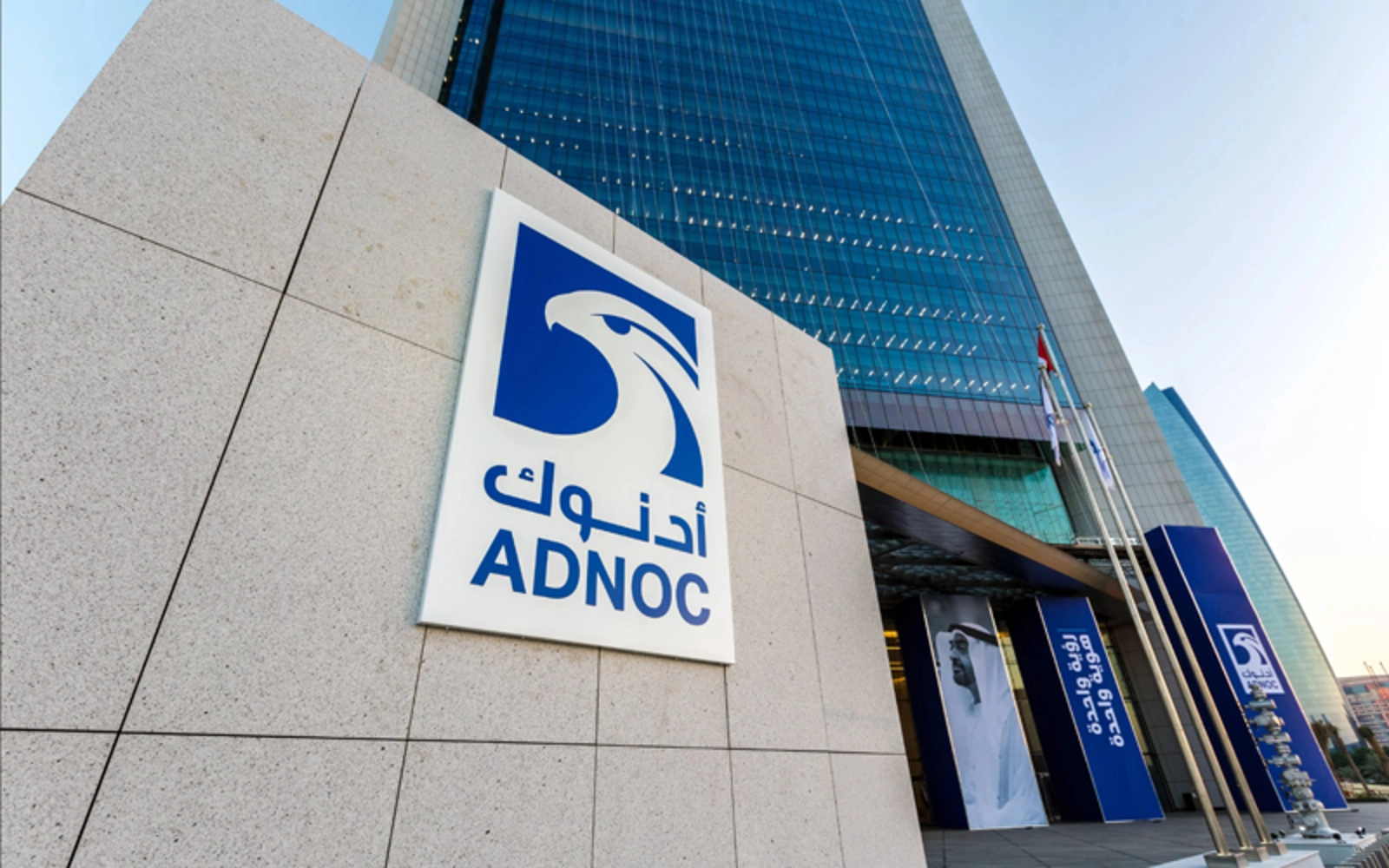
ADNOC’s US$55 Billion Bet: What the UAE’s OPEC Exit Means for Global Energy and Investors
Source: Free Malaysia Today
ADNOC’s Bold Move: Unleashing Investment After OPEC Exit
The recent announcement by Abu Dhabi National Oil Company (ADNOC) to invest US$55 billion in new projects by 2028 marks a pivotal moment for the global energy sector. Coming on the heels of the United Arab Emirates’ (UAE) historic departure from OPEC, this move signals both opportunity and uncertainty for investors, energy markets, and economies with close ties to the Gulf region—including Thailand.
Breaking Free from OPEC: Strategic Autonomy
For decades, the UAE operated under OPEC’s quota system, limiting its crude output to stabilize global prices. The decision to exit OPEC grants the UAE unprecedented flexibility to ramp up or scale down production according to its own strategic and economic interests. This newfound autonomy is particularly significant given the UAE’s ambition to expand oil production capacity to five million barrels per day by 2027, up from the previous cap of 3.4 million barrels.
US$55 Billion Investment: Upstream and Downstream Expansion
ADNOC’s planned investments span both upstream (exploration and production) and downstream (refining and petrochemicals) operations. This dual focus is designed to:
- Boost National Manufacturing: Expanding industrial capacity and resilience within the UAE.
- Enhance Export Potential: Increasing crude and refined product exports, especially as the UAE seeks new markets beyond traditional OPEC partners.
- Attract Foreign Investment: Large-scale projects often open doors for international joint ventures and technology transfer.
Regional Tensions and Market Volatility
The timing of these developments is crucial. The Gulf region has recently faced heightened geopolitical risks, notably disruptions in the Strait of Hormuz—a vital chokepoint for global energy flows—due to regional conflicts. The UAE’s ability to independently adjust output could help stabilize its revenues amid such volatility, but also introduces new variables into global supply dynamics.
Implications for Investors and Expats in Thailand
- Energy Prices: Increased UAE output could exert downward pressure on global oil prices, potentially benefiting energy-importing countries like Thailand. However, market volatility may persist as OPEC+ recalibrates without the UAE.
- Investment Opportunities: ADNOC’s massive capital expenditure may create openings for international contractors, technology firms, and service providers. Thai companies with expertise in energy infrastructure or petrochemicals could find new partnership prospects.
- Supply Chain Resilience: As the UAE deepens its industrial base, Southeast Asian economies may benefit from more diversified and stable supply chains for refined products and petrochemicals.
- Geopolitical Risk: Investors should remain vigilant about ongoing tensions in the Gulf, which could impact shipping routes and insurance costs for energy imports into Asia.
Strategic Takeaways
For expats and investors in Thailand, the UAE’s strategic pivot is a double-edged sword. On one hand, it promises increased oil supply and potential price moderation. On the other, it introduces new uncertainties as the global market adjusts to a post-OPEC UAE. Those with exposure to energy, logistics, or industrial sectors should monitor developments closely, considering both the risks and the emerging opportunities from ADNOC’s ambitious expansion.
Source: Free Malaysia Today
This article is provided for informational purposes only and does not constitute financial or legal advice. Information sourced from Free Malaysia Today may have been edited for clarity. Always verify details with official sources before making any decisions.
Related Articles
Israel’s Massive Fighter Jet Deal: Global Defense Implications and Investment Insights
Israel’s approval of a multi-billion dollar purchase of F-35 and F-15IA fighter jets from Lockheed Martin and Boeing signals not only a strategic military upgrade but also broader implications for global defense industries and international investors.