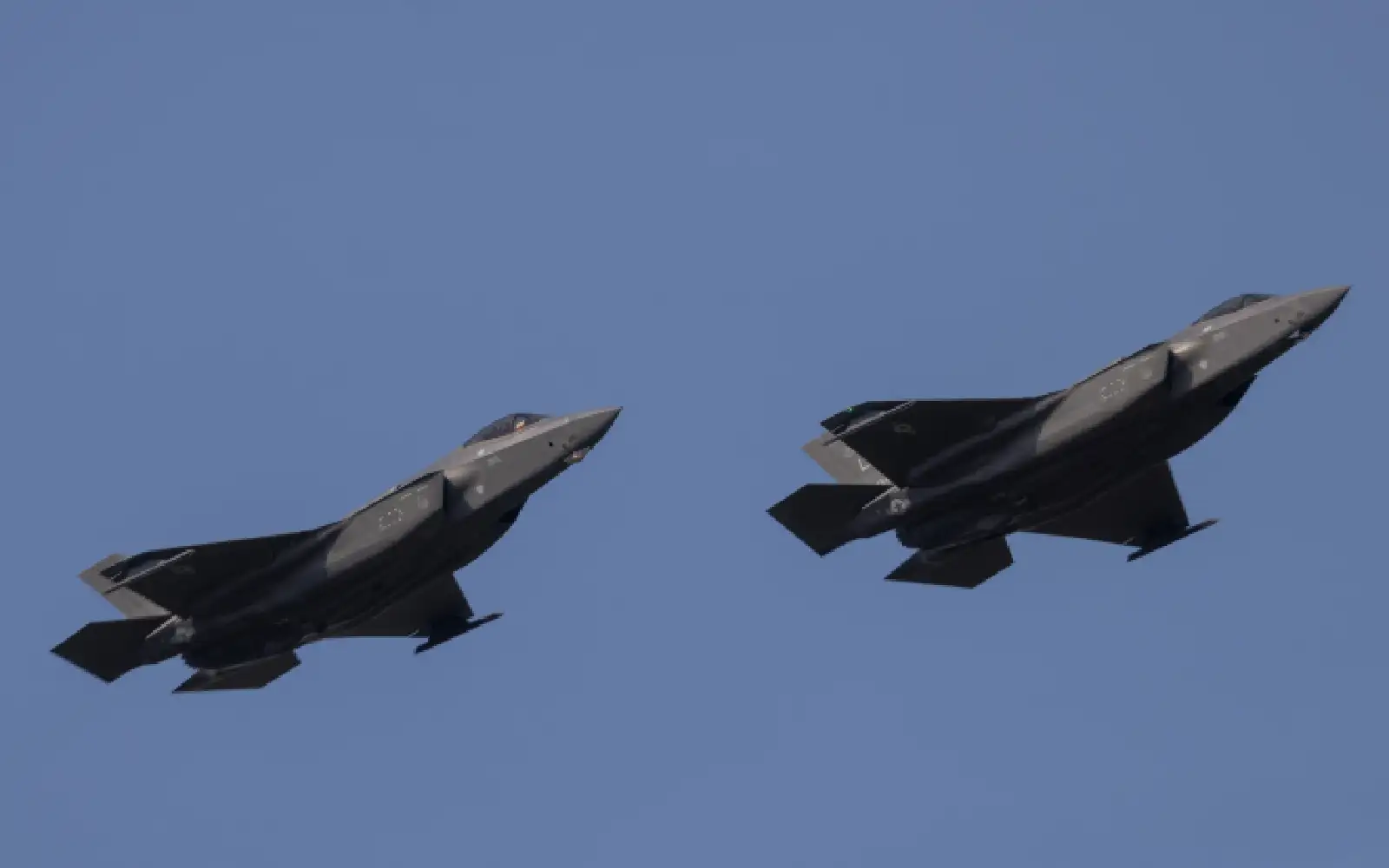
Israel’s Massive Fighter Jet Deal: Global Defense Implications and Investment Insights
Source: Free Malaysia Today
Israel’s Strategic Military Modernization: What the New Fighter Jet Deal Means
Israel’s recent approval to acquire new squadrons of F-35 and F-15IA fighter jets from US defense giants Lockheed Martin and Boeing marks a pivotal moment in the country’s long-term security planning. The deal, valued in the tens of billions of dollars, is the opening phase of a sweeping US$119 billion (₪350 billion) initiative to modernize Israel’s military capabilities over the next decade. For expats, investors, and global observers, this move carries significant economic, geopolitical, and industrial implications.
Key Details of the Procurement
- Aircraft Types: A fourth squadron of F-35 stealth fighters and a second squadron of F-15IA advanced multi-role jets.
- Suppliers: Lockheed Martin (F-35) and Boeing (F-15IA), two of the world’s largest aerospace and defense contractors.
- Strategic Rationale: To ensure Israel’s air superiority and technological edge in a volatile regional environment, especially following recent conflicts with Iran and ongoing operations in Gaza and Lebanon.
Implications for Global Defense and Aerospace Industries
The scale of Israel’s procurement underscores the enduring demand for advanced military technology in an era of rising geopolitical tensions. For investors, the deal highlights several trends:
- Robust Demand for Advanced Aircraft: The F-35 and F-15IA represent the cutting edge of aerial warfare, incorporating stealth, autonomous systems, and next-generation avionics. Their continued adoption by US allies signals sustained growth potential for the manufacturers.
- Strengthening US-Israel Defense Ties: The deal reinforces the strategic partnership between the US and Israel, with American defense exports playing a central role in Israel’s security doctrine. This relationship provides a stable pipeline of contracts for US defense firms.
- Spillover Effects: Large-scale deals often lead to secondary contracts for maintenance, training, and technology transfer, benefiting a broader ecosystem of suppliers and service providers in both countries.
Geopolitical and Economic Context
Israel’s decision comes on the heels of heightened regional conflict, including direct hostilities with Iran and ongoing operations against Hamas and Hezbollah. The recent war with Iran, followed by a ceasefire and continued US naval presence in the region, has underscored the importance of air power and technological superiority for Israel’s security planners.
For expats and investors in the region, these developments may influence:
- Regional Stability: While military modernization aims to deter adversaries, it can also fuel arms races and affect risk assessments for foreign investment.
- Defense Sector Opportunities: Companies with exposure to aerospace, cybersecurity, and advanced electronics may see increased demand as Israel and its partners invest in next-generation defense solutions.
- Currency and Trade: Large defense deals can impact currency flows, government budgets, and bilateral trade balances, especially given the US dollar’s role in such transactions.
Looking Ahead: Investment and Strategic Takeaways
Israel’s procurement is not just about immediate security needs; it is a forward-looking bet on maintaining a qualitative military edge for years to come. For global investors, several takeaways emerge:
- Defense Stocks: Lockheed Martin and Boeing are likely to benefit from continued international demand, with Israel’s deal serving as a reference point for other allied nations considering similar upgrades.
- Technology Integration: The emphasis on autonomous flight and next-generation defense systems points to opportunities in AI, avionics, and cybersecurity—sectors that are increasingly intertwined with traditional defense.
- Regional Dynamics: The Middle East remains a focal point for geopolitical risk and opportunity. Investors should monitor how military procurement shapes alliances, deterrence, and the broader investment climate.
In summary, Israel’s latest fighter jet deal is a bellwether for both regional security dynamics and the global defense industry. For expats and investors, understanding these moves is crucial for navigating the evolving landscape of risk and opportunity in the region.
Source: Free Malaysia Today
This article is provided for informational purposes only and does not constitute financial or legal advice. Information sourced from Free Malaysia Today may have been edited for clarity. Always verify details with official sources before making any decisions.
Related Articles
ADNOC’s US$55 Billion Bet: What the UAE’s OPEC Exit Means for Global Energy and Investors
The UAE’s decision to leave OPEC and ADNOC’s US$55 billion investment pledge signal a seismic shift in global oil markets. This article analyzes the implications for energy investors, expats, and Thailand’s economic landscape.