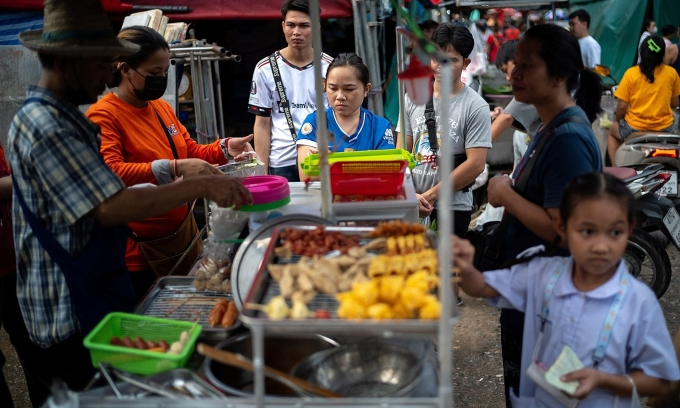
Thailand Lowers 2026 Growth Forecast: What It Means for Expats and Investors
Source: VnExpress
Thailand’s 2026 Growth Forecast Cut: Implications for Expats and Investors
The Thai Ministry of Finance has revised its economic growth forecast for 2026, lowering expectations from 2.0% to 1.6%. The adjustment, attributed primarily to the ongoing conflict in the Middle East, signals a more cautious outlook for Southeast Asia’s second-largest economy. For expats, investors, and those considering Thailand as a destination for business or residence, this development warrants close attention.
Key Drivers Behind the Downgrade
Thailand’s economy is highly integrated into global trade and tourism. The Ministry’s decision to lower its forecast reflects several intertwined factors:
- Geopolitical Uncertainty: The Middle East conflict has disrupted energy markets and global supply chains, raising costs for import-dependent economies like Thailand.
- Export Vulnerability: Thailand’s export sector, a major pillar of GDP, is sensitive to global demand shocks. Instability in key markets can quickly ripple through manufacturing and agriculture.
- Tourism Recovery at Risk: While tourism has rebounded post-pandemic, geopolitical tensions can dampen traveler confidence and reduce arrivals, affecting service industries and employment.
What the Slower Growth Means for Expats
For expatriates living in or considering a move to Thailand, a lower growth rate may have several implications:
- Job Market Dynamics: Slower economic expansion could mean fewer new job opportunities, especially in sectors reliant on foreign investment or export growth.
- Cost of Living: If the baht weakens due to external shocks, imported goods may become more expensive, impacting everyday expenses for expats.
- Public Services: Government revenues may be constrained, potentially affecting infrastructure projects or public services that benefit the expat community.
Investor Considerations: Risks and Opportunities
For investors, the revised forecast is a signal to reassess risk profiles and strategies:
- Market Volatility: Lower growth expectations can lead to increased volatility in Thai equities and currency markets. Diversification and hedging may become more important.
- Sectoral Shifts: Sectors less exposed to global shocks—such as domestic consumption, healthcare, and digital services—may offer relative resilience.
- Long-Term Fundamentals: Despite short-term headwinds, Thailand retains strengths: a strategic location, robust infrastructure, and a skilled workforce. Savvy investors may find value in periods of uncertainty.
Looking Ahead: Policy and Adaptation
The government’s proactive adjustment of its forecast suggests a willingness to face economic realities and adapt policy accordingly. Expats and investors should monitor:
- Fiscal Stimulus: Potential government spending to support growth and employment.
- Monetary Policy: Interest rate adjustments to stabilize the baht and control inflation.
- Structural Reforms: Efforts to diversify the economy and reduce reliance on vulnerable sectors.
In summary, while the lowered growth outlook is a cautionary note, it also underscores Thailand’s transparency and resilience in the face of global uncertainties. For expats and investors, vigilance and adaptability remain key as the country navigates a complex international environment.
Source: VnExpress
This article is provided for informational purposes only and does not constitute financial or legal advice. Information sourced from VnExpress may have been edited for clarity. Always verify details with official sources before making any decisions.
Related Articles
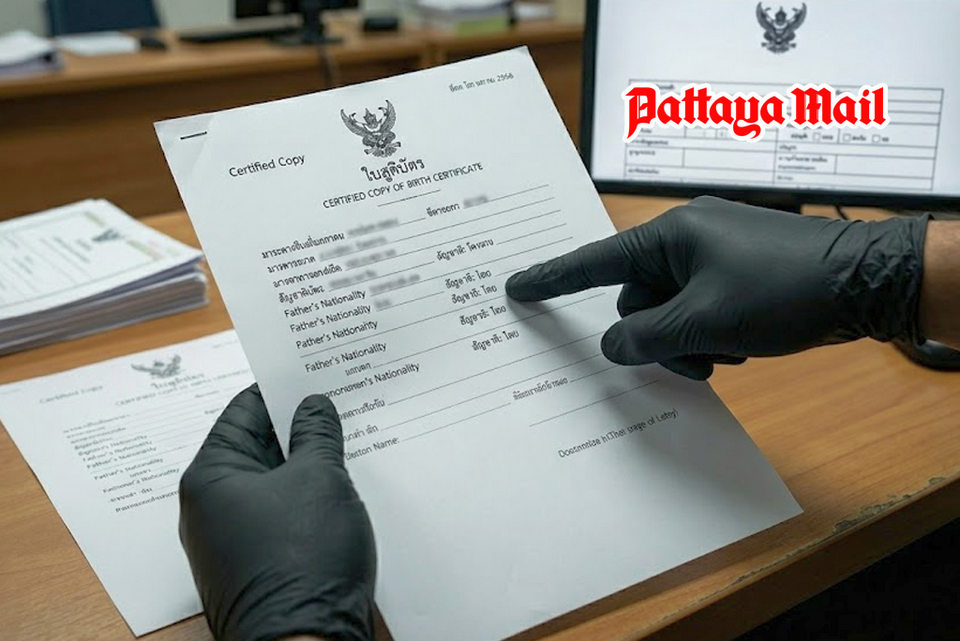
Birth Certificate Fraud in Thailand: What Investors and Expats Need to Know
A recent scandal involving fraudulent birth certificates in Thailand exposes deep vulnerabilities in the nation’s civil registration system. This article analyzes the implications for expats and investors, highlighting the risks, regulatory responses, and the need for heightened due diligence.