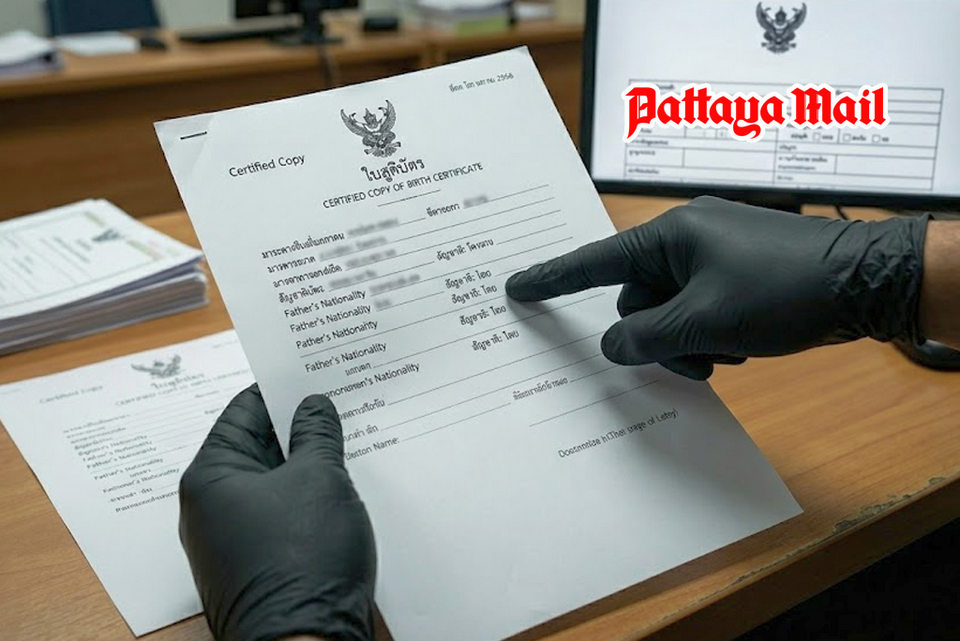
Birth Certificate Fraud in Thailand: What Investors and Expats Need to Know
Source: Pattaya Mail
Unpacking the Birth Certificate Scandal: A New Kind of Risk
Thailand’s recent exposure of a fraudulent birth certificate network in Nakhon Ratchasima has sent ripples through the country’s legal and business communities. For expats and investors, the revelations go far beyond a simple case of document forgery—they point to systemic vulnerabilities in the nation’s civil registration system, with far-reaching implications for property ownership, business formation, and national security.
How the Fraud Worked: Systemic Manipulation, Not Simple Forgery
Investigations revealed a pattern: at least 27 suspicious birth certificates were issued, often listing a Chinese national as the mother and a Thai national as the father. This configuration exploits Thailand’s jus sanguinis (right of blood) citizenship law, granting Thai nationality to the child. The process was facilitated by modest bribes—10,000 to 30,000 THB per case—yet the legal rights conferred (land ownership, business incorporation, passport issuance) are invaluable.
What makes this scheme especially concerning is its sophistication. Most certificates originated from districts lacking hospitals, suggesting the births were registered as home births—an anomaly that flagged the fraud. Even more troubling, perpetrators used stolen credentials from government officials to enter data into the system, erasing audit trails and shielding themselves from detection.
Identity Creation vs. Nominee Structures: Why This Matters More
Foreign investors are often familiar with nominee structures, where a Thai national holds assets or shares on behalf of a foreigner. While controversial, such arrangements can be investigated and unwound if authorities suspect wrongdoing. In contrast, fraudulent birth certificates create entirely new legal identities—"injecting" individuals into the national database as bona fide Thai citizens. These "created" Thais can exercise all rights of citizenship with no visible irregularities, making detection and enforcement far more challenging.
- Nominee Structure: Uses an existing Thai citizen as a front; audit trails and relationships can be traced.
- Fake Identity: Fabricates a new citizen with full legal rights; nearly impossible to detect if the birth certificate is accepted.
Regulatory Response: The Age of Data Analytics and Deep Due Diligence
The authorities’ ability to spot irregularities—such as a surge in home births in hospital-less districts—signals a shift toward data-driven enforcement. Thai regulators are now leveraging analytics to identify patterns that would escape traditional checks. For investors and expats, this means:
- Stricter Due Diligence: Expect more rigorous scrutiny of the origins of Thai partners, shareholders, or sellers in real estate and business deals. ID documents alone may no longer suffice.
- Increased Integrity Risk: Lawyers, agents, or consultants who facilitate or overlook questionable structures risk being implicated in schemes that threaten national security.
- Transparency as a Requirement: The regulatory environment is moving toward zero tolerance for opacity. Full disclosure and verifiable documentation are now essential for compliance and risk mitigation.
Implications for Expats and Investors
This scandal is a wake-up call for anyone doing business or investing in Thailand. The government’s enhanced scrutiny means that past shortcuts—whether through nominee arrangements or lax documentation—are increasingly risky. Investors should:
- Conduct comprehensive background checks on all Thai partners and counterparties.
- Work only with reputable legal and consulting firms that prioritize compliance.
- Stay informed on regulatory developments and enforcement trends.
Ultimately, the message is clear: in Thailand’s evolving business landscape, transparency isn’t just good practice—it’s a necessity for long-term success and security.
Source: Pattaya Mail
This article is provided for informational purposes only and does not constitute financial or legal advice. Information sourced from Pattaya Mail may have been edited for clarity. Always verify details with official sources before making any decisions.