CDL’s Governance Turmoil: Lessons for Thailand’s Investors and Expats
Source: VnExpress
CDL’s Boardroom Drama: A Wake-Up Call for Regional Investors
City Developments Limited (CDL), a major Singaporean property developer, has once again found itself under the spotlight—not for its luxury projects, but for persistent questions about its corporate governance. At the company’s recent annual general meeting, shareholders voiced concerns over the effectiveness of its board, the pace of its strategic review, and the influence wielded by the Kwek family, led by Singapore’s second-richest billionaire, Kwek Leng Beng.
Why Should Thailand’s Investors and Expats Care?
While CDL is headquartered in Singapore, its governance saga holds valuable lessons for investors and expats in Thailand. As Southeast Asia’s real estate and investment landscape grows more interconnected, the risks and rewards of investing in family-controlled conglomerates are increasingly relevant across borders.
Key Issues Highlighted at CDL
- Board Independence: Shareholders questioned whether the board could act independently of the Kwek family’s interests, especially given the family’s dominant shareholding and influence over strategic decisions.
- Transparency and Communication: Investors expressed frustration over the lack of clear updates on the company’s ongoing strategic review, raising concerns about transparency and timely disclosure.
- Succession and Family Dynamics: The recent family feud involving Kwek Leng Beng has cast a shadow over succession planning and long-term stability, a common issue in Asian family-owned businesses.
Implications for Thailand’s Investment Landscape
Thailand’s own corporate sector features several family-controlled conglomerates, many of which are active in real estate, retail, and finance. The CDL episode serves as a reminder of the unique risks associated with such structures:
- Potential for Conflict: Family disputes can spill over into boardrooms, affecting company strategy and share price volatility.
- Governance Standards: Investors should scrutinize the independence of boards and the robustness of governance frameworks, especially when family interests are involved.
- Transparency: Clear communication with shareholders is vital. Companies that fail to provide timely and transparent updates risk eroding investor confidence.
What Can Expat and Foreign Investors Do?
For expats and foreign investors in Thailand, the CDL situation underscores the importance of due diligence. Here are some practical steps:
- Assess Board Composition: Look for companies with a healthy mix of independent directors and clear separation between management and ownership.
- Monitor Disclosures: Pay attention to how regularly and transparently companies communicate with shareholders, especially during periods of strategic change.
- Understand Family Dynamics: Research the history of family involvement and any past disputes that could signal future instability.
Conclusion: Governance Matters More Than Ever
The ongoing scrutiny of CDL’s governance practices is not an isolated case—it is part of a broader trend across Asia, where family-controlled conglomerates face increasing pressure to modernize and embrace best practices. For Thailand’s investors and expats, the message is clear: robust governance is not just a regulatory box to tick, but a critical factor in long-term investment success.
Source: VnExpress
This article is provided for informational purposes only and does not constitute financial or legal advice. Information sourced from VnExpress may have been edited for clarity. Always verify details with official sources before making any decisions.
Related Articles
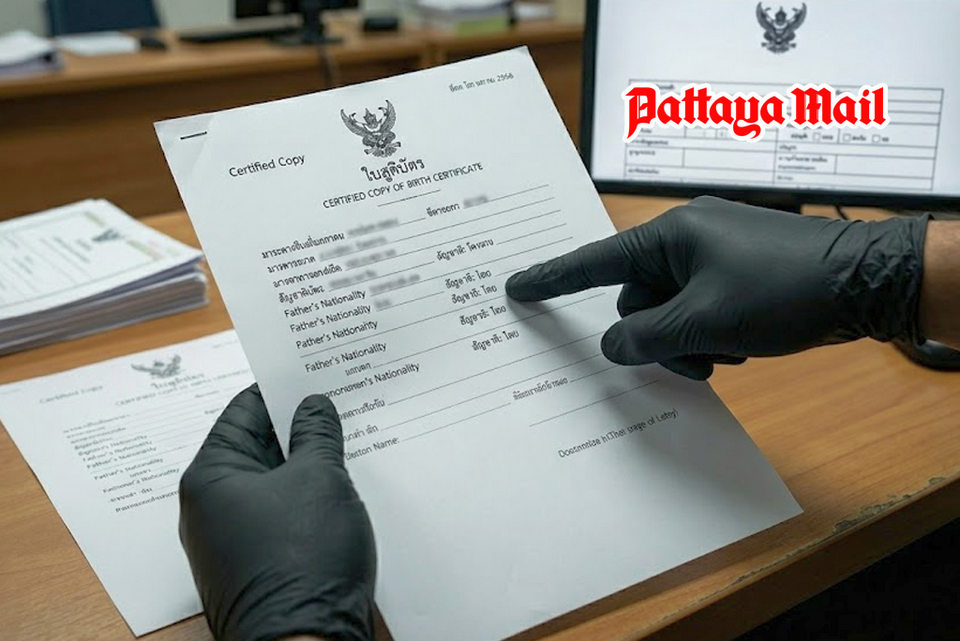
Birth Certificate Fraud in Thailand: What Investors and Expats Need to Know
A recent scandal involving fraudulent birth certificates in Thailand exposes deep vulnerabilities in the nation’s civil registration system. This article analyzes the implications for expats and investors, highlighting the risks, regulatory responses, and the need for heightened due diligence.