Thailand’s Intensified Crackdown on Foreign Nominee Land Ownership: What Expats and Investors Must Know
Source: Pattaya Mail
Thailand’s New Enforcement Era: Foreign Nominee Land Ownership Under the Microscope
Thailand’s real estate market has long attracted foreign investors and expatriates, particularly in high-demand regions like Phuket, Koh Samui, and Pattaya. However, the country’s strict laws prohibiting direct foreign ownership of land have led to the proliferation of nominee arrangements—where Thai nationals or companies hold land on behalf of foreigners. Recent developments indicate a decisive shift: Thai authorities are now intensifying their crackdown on these nominee schemes, signaling a new era of regulatory vigilance that all expats and investors must heed.
Key Changes: From Reactive to Proactive Enforcement
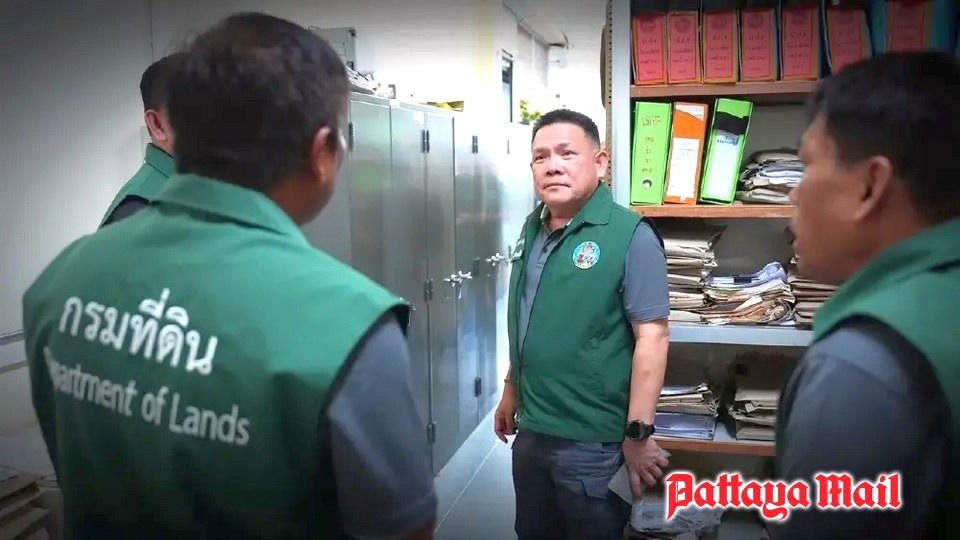
Historically, enforcement against nominee arrangements was largely reactive, triggered by complaints or high-profile cases. Today, the Land Department, in collaboration with the Department of Special Investigation (DSI) and the Anti Money Laundering Office (AMLO), has adopted a proactive, systematic approach. Land offices nationwide are now the first line of defense, conducting deep scrutiny both before and after land transactions are registered.
- Pre-Registration Scrutiny: Land offices are demanding comprehensive documentation, especially in two high-risk scenarios: when a Thai national married to a foreigner purchases land, and when companies with foreign shareholders acquire property. In both cases, officials now require clear evidence of the source of funds and proof that Thai shareholders or spouses have genuine financial capacity—not merely acting as proxies.
- Post-Registration Monitoring: Ongoing surveillance includes quarterly checks on land usage and corporate structure, as well as active monitoring of real estate advertising. Any indication that a property is being marketed to foreigners in contravention of Thai law triggers immediate investigation.
Implications for Expats and Foreign Investors
For expats and foreign investors, these changes represent a significant tightening of the regulatory environment. The days of relying on informal nominee structures or opaque corporate arrangements are over. Authorities are not only scrutinizing new transactions but are also reviewing existing holdings, increasing the risk of retroactive investigations and legal action.
- Legal and Financial Risks: Violations can result in criminal prosecution, fines, imprisonment, and forced divestment of land assets. Corporate officers and Thai nominees are equally liable, with the potential for asset seizure under anti-money laundering laws.
- Transparency and Compliance: Investors must ensure that all transactions are fully transparent and comply with both the letter and spirit of Thai law. This includes rigorous due diligence on corporate structures and funding sources, as well as clear documentation of all parties’ roles and interests.
- Impact on Real Estate Market: Developers and agents must adapt their business models, as marketing land or villas with implied or explicit foreign ownership rights is now under close watch. The crackdown may dampen speculative activity but could also enhance market credibility in the long run.
Strategic Recommendations
Given the heightened scrutiny, expats and investors should consider the following steps:
- Engage Qualified Legal Counsel: Work with reputable law firms experienced in Thai property law to audit existing holdings and vet new transactions.
- Prioritize Transparency: Avoid any arrangement that could be construed as a nominee scheme. Ensure all funding sources and shareholder relationships are legitimate and well-documented.
- Monitor Regulatory Updates: Stay informed about evolving enforcement practices and legal interpretations, as authorities are likely to refine their approach over time.
- Consider Alternative Investment Structures: Explore legal avenues such as long-term leases or investment in condominium units, which allow for direct foreign ownership within defined limits.
Conclusion: A New Compliance Landscape
The intensified crackdown on foreign nominee land ownership is reshaping Thailand’s property investment landscape. For expats and foreign investors, the imperative is clear: embrace transparency, conduct thorough legal due diligence, and align with the true intent of Thai property laws. Those who adapt swiftly will not only mitigate risk but also position themselves for sustainable, compliant investment in one of Southeast Asia’s most dynamic real estate markets.
Source: Pattaya Mail
This article is provided for informational purposes only and does not constitute financial or legal advice. Information sourced from Pattaya Mail may have been edited for clarity. Always verify details with official sources before making any decisions.