Phu Quoc’s Tourism Surge: Lessons and Opportunities for Thailand’s Expat and Investor Community
Source: VnExpress
Phu Quoc’s Tourism Boom: A Wake-Up Call for Thailand’s Tourism Sector
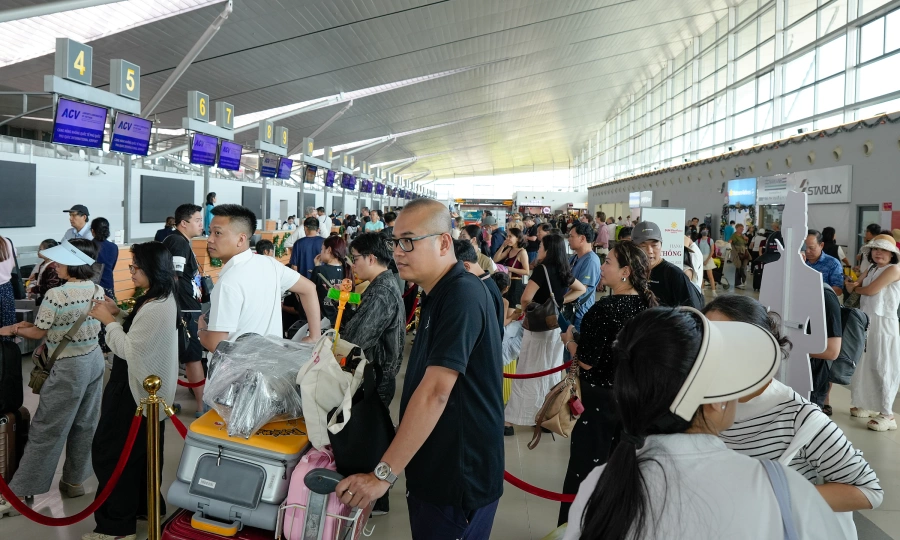
Phu Quoc, recently crowned Asia’s most beautiful island by Condé Nast Traveler readers, has made headlines with a remarkable 90% year-on-year surge in foreign arrivals during Vietnam’s recent holiday period. The island welcomed 82,000 international tourists over the Hung Kings’ Commemoration Day and Reunification Day-Labor Day holidays, underscoring its growing appeal on the regional travel map.
What’s Driving Phu Quoc’s Popularity?
Several factors have contributed to Phu Quoc’s meteoric rise:
- Strategic Marketing: Vietnam’s tourism authorities have actively promoted Phu Quoc as a premium destination, leveraging its pristine beaches and luxury resorts.
- Visa Policy: Vietnam’s relatively relaxed visa requirements for certain nationalities have made the island more accessible to a broader range of travelers.
- Infrastructure Investment: Recent upgrades to Phu Quoc International Airport and road networks have improved connectivity and visitor experience.
- Recognition and Awards: International accolades, such as the Condé Nast Traveler vote, have amplified the island’s profile among high-spending tourists.
Implications for Thailand’s Expat and Investor Community
For expats and investors in Thailand, Phu Quoc’s success story offers both a competitive challenge and a source of inspiration. Here’s what it means for the Thai market:
- Regional Competition Intensifies: Thailand’s traditional dominance as Southeast Asia’s beach destination is being tested. Destinations like Phuket, Koh Samui, and Krabi must innovate to retain their allure amid rising regional competition.
- Shifting Traveler Preferences: The surge in Phu Quoc’s popularity reflects a growing appetite for less-crowded, emerging destinations. Investors should monitor these trends when considering new hospitality projects or property acquisitions in Thailand.
- Cross-Border Collaboration: There is potential for joint tourism packages, cruise routes, or regional marketing campaigns linking Thailand and Vietnam’s island destinations, benefiting both countries’ tourism sectors.
- Policy Lessons: Vietnam’s streamlined visa process and targeted infrastructure spending could serve as a model for Thailand, which is currently reviewing its own visa and tourism policies to attract more long-stay visitors and digital nomads.
Opportunities and Risks for Investors
For those considering investments in Thailand’s tourism and hospitality sector, Phu Quoc’s rapid ascent offers several takeaways:
- Product Differentiation: Unique experiences—such as eco-tourism, wellness retreats, and cultural immersion—are increasingly in demand. Replicating Phu Quoc’s focus on luxury and sustainability could yield dividends in Thailand.
- Infrastructure Upgrades: Continued investment in airports, ports, and digital infrastructure is essential to maintain Thailand’s competitiveness.
- Market Diversification: With regional travelers exploring new destinations, Thai operators should diversify their source markets and adapt marketing strategies accordingly.
- Regulatory Agility: Investors should keep a close eye on policy shifts in both Thailand and neighboring countries, as these can quickly alter the competitive landscape.
Conclusion: A Regional Tourism Renaissance
Phu Quoc’s tourism boom is a clear signal that Southeast Asia’s travel landscape is evolving. For Thailand’s expat and investor community, the message is twofold: adapt to changing traveler preferences and leverage regional synergies. By learning from Phu Quoc’s success—and anticipating the next wave of tourism trends—Thailand can maintain its status as a premier destination while fostering sustainable growth in a dynamic regional market.
Source: VnExpress
This article is provided for informational purposes only and does not constitute financial or legal advice. Information sourced from VnExpress may have been edited for clarity. Always verify details with official sources before making any decisions.
Related Articles

Da Nang: Vietnam’s Rising Digital Nomad Hub and What It Means for Expats and Investors
Da Nang is rapidly positioning itself as a premier destination for digital nomads, challenging Southeast Asia’s established hotspots. This article analyzes the city’s appeal, the implications for expats, and the opportunities and challenges for investors.