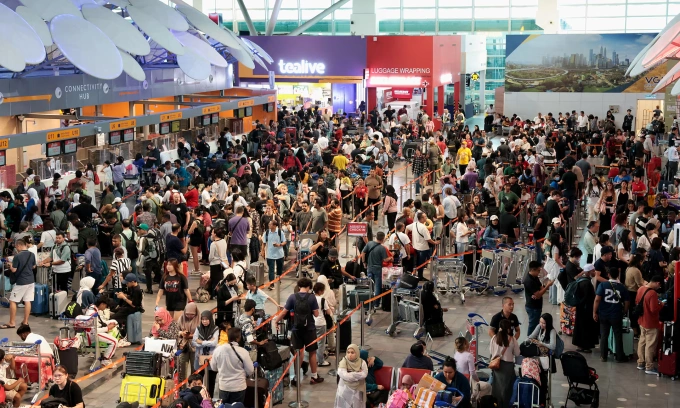
Kuala Lumpur International Airport’s Growth: What It Means for Thailand’s Travel and Investment Landscape
Source: VnExpress
Kuala Lumpur International Airport’s Surge: A Regional Signal
In the first quarter of 2026, Kuala Lumpur International Airport (KLIA) welcomed 16.9 million passengers—a 14.4% increase year-on-year. As Southeast Asia’s largest airport by land area, KLIA’s robust growth is more than a local success story; it’s a bellwether for shifting patterns in the region’s aviation and tourism sectors. For Thailand’s expat community, investors, and travel industry stakeholders, this development offers both challenges and opportunities.
Drivers Behind KLIA’s Growth
The surge in passenger numbers at KLIA is attributed to two main factors:
- Festive Travel: The first quarter coincided with major holidays such as Lunar New Year and Ramadan, spurring regional and international travel.
- Expanding Connectivity: Airlines have ramped up routes and frequencies, making KLIA an increasingly attractive hub for both point-to-point and transit passengers.
Implications for Thailand’s Aviation and Tourism Sectors
KLIA’s performance is a wake-up call for Thailand’s airports and tourism authorities. Suvarnabhumi Airport, Bangkok’s main international gateway, has long competed with KLIA for regional hub status. The latest figures underscore several key trends:
- Competitive Pressure: As KLIA attracts more airlines and passengers, Thailand must continue investing in airport infrastructure and service quality to retain and grow its share of regional transit traffic.
- Changing Travel Patterns: With more travelers using KLIA as a hub, there may be shifts in tourist flows, impacting everything from hotel occupancy rates to local tourism businesses in Thailand.
- Investor Considerations: The growth trajectory at KLIA could influence foreign direct investment (FDI) decisions, especially for logistics, hospitality, and aviation-related ventures in Thailand.
Opportunities for Expats and Investors in Thailand
Despite the competitive landscape, Thailand remains a top destination for expats and investors. KLIA’s growth can be leveraged in several ways:
- Enhanced Regional Connectivity: Improved air links between Malaysia and Thailand can facilitate business travel, cross-border investments, and even dual-location living for expats.
- Tourism Collaboration: Joint marketing and multi-country tour packages could attract long-haul travelers seeking to explore multiple Southeast Asian destinations.
- Infrastructure Upgrades: Thailand’s ongoing airport expansions (such as Suvarnabhumi’s new terminal) are well-timed to meet rising demand and maintain competitiveness.
Strategic Takeaways
KLIA’s record-breaking quarter is a reminder that Southeast Asia’s aviation landscape is dynamic and highly competitive. For Thailand’s expat and investor community, the key is to monitor these shifts, adapt strategies, and seek out cross-border opportunities. As regional air travel rebounds and evolves, those who anticipate and respond to these trends will be best positioned for success.
Source: VnExpress
This article is provided for informational purposes only and does not constitute financial or legal advice. Information sourced from VnExpress may have been edited for clarity. Always verify details with official sources before making any decisions.
Related Articles

Da Nang: Vietnam’s Rising Digital Nomad Hub and What It Means for Expats and Investors
Da Nang is rapidly positioning itself as a premier destination for digital nomads, challenging Southeast Asia’s established hotspots. This article analyzes the city’s appeal, the implications for expats, and the opportunities and challenges for investors.