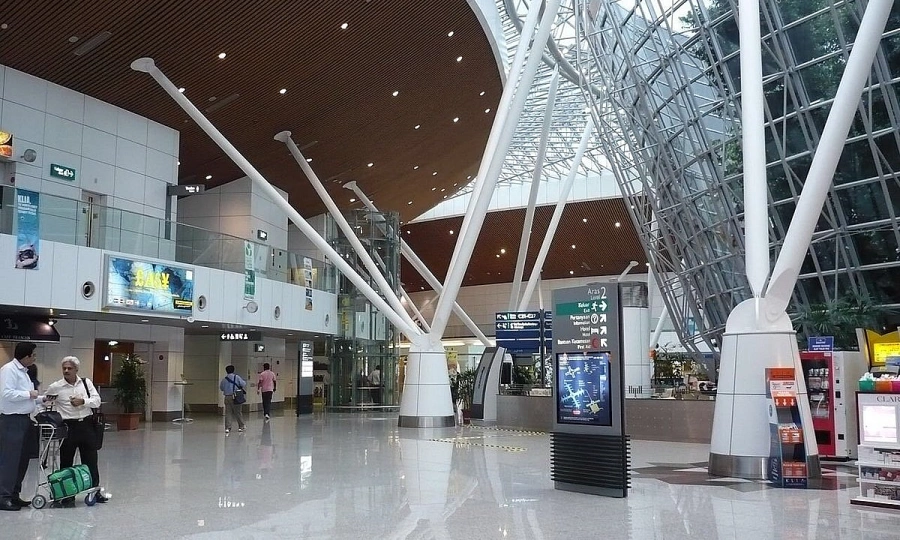
KLIA Balcony Closure: Safety, Perception, and Implications for Southeast Asian Travel Hubs
Source: VnExpress
KLIA’s Balcony Closure: A Wake-Up Call for Airport Safety and Traveler Confidence
The recent closure of the Level 3 balcony at Kuala Lumpur International Airport’s (KLIA) Terminal 2, following the deaths of two foreign nationals, has brought airport safety and public perception into sharp focus. As Southeast Asia’s largest airport by passenger volume, KLIA is a critical gateway for millions of travelers and a key node in the region’s economic and tourism landscape. The incident and subsequent response offer important lessons for expats, investors, and tourism stakeholders across the region.
Safety and Security: A New Priority for Regional Airports
Airports are not just transit points—they are often the first and last impression travelers have of a country. The closure of a public balcony due to safety concerns signals a shift in priorities for airport authorities, who must now balance accessibility and aesthetics with robust safety protocols. For expats and frequent travelers, this move may prompt a reassessment of airport facilities and the overall travel experience in Southeast Asia.
- Increased scrutiny: Incidents like these typically lead to comprehensive safety audits, not only at KLIA but also at other major airports in the region.
- Design reconsiderations: Public spaces such as observation decks and balconies may be redesigned or restricted to prevent similar tragedies.
- Enhanced surveillance: Expect more visible security measures, including CCTV coverage and patrols, especially in high-traffic or elevated areas.
Impact on Traveler Perception and Tourism
For Thailand and its neighbors, the reputation of regional airports is closely tied to the broader tourism ecosystem. News of safety incidents can ripple through travel forums and social media, influencing the choices of tourists, business travelers, and expats alike. While KLIA’s swift action demonstrates a commitment to safety, it also highlights the need for transparent communication and proactive risk management.
- Confidence in infrastructure: Investors and expats often gauge a country’s stability and modernity by the quality and safety of its transportation hubs.
- Tourism competitiveness: As airports compete for international routes and passenger volumes, safety records become a differentiator.
- Policy implications: Governments may introduce stricter regulations for public spaces in transport infrastructure, affecting future airport and terminal designs.
Lessons for Thailand and Regional Stakeholders
Thailand’s own airports, such as Suvarnabhumi and Don Mueang, serve as vital links for the country’s tourism and investment sectors. The KLIA incident is a reminder for Thai authorities and private operators to regularly review safety protocols, invest in staff training, and engage with the traveling public on safety issues. For investors, the event underscores the importance of due diligence in infrastructure projects and the reputational risks associated with public safety lapses.
Looking Ahead: Balancing Access and Safety
As Southeast Asia continues to attract record numbers of visitors and expats, the challenge for airport operators is to create welcoming, functional spaces without compromising on safety. The closure of KLIA’s balcony may be an inconvenience for some, but it is also a necessary step in maintaining public trust and ensuring that the region’s airports remain world-class gateways for years to come.
Source: VnExpress
This article is provided for informational purposes only and does not constitute financial or legal advice. Information sourced from VnExpress may have been edited for clarity. Always verify details with official sources before making any decisions.
Related Articles

Da Nang: Vietnam’s Rising Digital Nomad Hub and What It Means for Expats and Investors
Da Nang is rapidly positioning itself as a premier destination for digital nomads, challenging Southeast Asia’s established hotspots. This article analyzes the city’s appeal, the implications for expats, and the opportunities and challenges for investors.