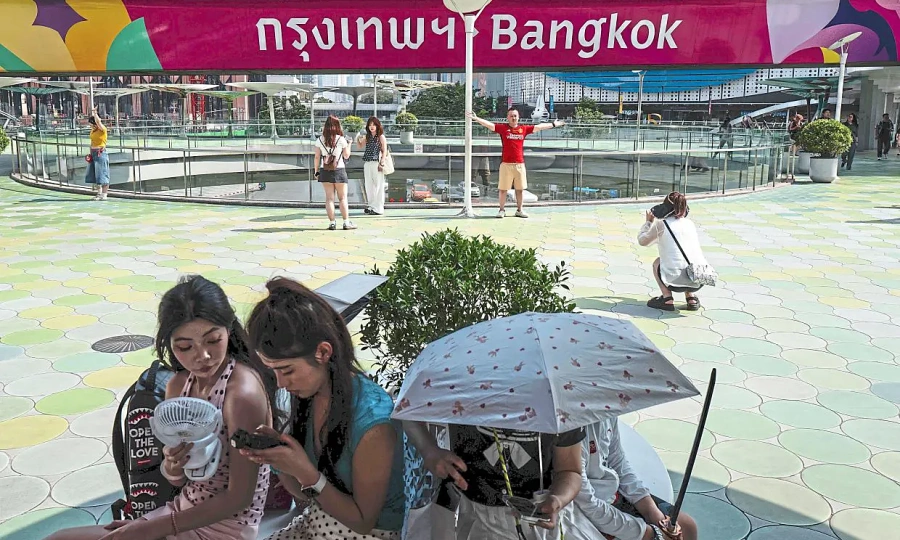
Heatwaves in Thailand: Implications for Tourism, Expats, and Investors
Source: VnExpress
Thailand’s Soaring Temperatures: A New Reality for Tourism
Thailand, long celebrated for its tropical allure and vibrant tourism industry, is now grappling with a new challenge: extreme heat. Recent advisories from Thai authorities urge both locals and visitors to limit outdoor activities and avoid prolonged sun exposure as temperatures soar to unprecedented levels. For expats, investors, and tourism stakeholders, this shift in climate patterns signals a need to reassess strategies and expectations.
Impact on Tourism and Expat Lifestyles
The tourism sector, a cornerstone of Thailand’s economy, is particularly vulnerable to climate extremes. With millions of visitors drawn annually to outdoor attractions—beaches, temples, markets—the heatwave presents immediate health risks and longer-term reputational concerns. Tourists may reconsider travel plans or opt for destinations perceived as safer or more comfortable during peak heat periods.
For expats and retirees, the heatwave underscores the importance of adapting daily routines and housing choices. Urban centers like Bangkok and Chiang Mai are experiencing urban heat island effects, making air conditioning and shaded green spaces increasingly essential. Health advisories now recommend:
- Limiting strenuous outdoor activities, especially during midday hours
- Staying hydrated and seeking air-conditioned environments
- Monitoring local weather updates and heat warnings
Investor Considerations: Risks and Opportunities
For investors, the heatwave highlights both risks and emerging opportunities. The hospitality sector may face increased costs for cooling infrastructure and a need to upgrade facilities to meet higher comfort standards. Resorts and hotels that invest in sustainable cooling solutions, shaded outdoor areas, and wellness amenities may gain a competitive edge.
Meanwhile, real estate developers are likely to see growing demand for properties with energy-efficient designs, advanced ventilation, and access to communal green spaces. The market for wellness tourism—spas, retreats, and medical tourism—could also expand as travelers seek restorative experiences in climate-adapted environments.
Adapting to a Hotter Future
Thailand’s response to the heatwave will shape its attractiveness to both tourists and long-term residents. Proactive measures, such as public cooling centers, improved urban planning, and clear communication of health risks, are essential. The government’s advisories serve as a wake-up call for the entire region, signaling the need for climate resilience in tourism and real estate development.
For expats, investors, and tourism operators, the key takeaway is clear: adapting to climate change is no longer optional. Those who anticipate and address these challenges will be best positioned to thrive in Thailand’s evolving landscape.
Source: VnExpress
This article is provided for informational purposes only and does not constitute financial or legal advice. Information sourced from VnExpress may have been edited for clarity. Always verify details with official sources before making any decisions.
Related Articles

Da Nang: Vietnam’s Rising Digital Nomad Hub and What It Means for Expats and Investors
Da Nang is rapidly positioning itself as a premier destination for digital nomads, challenging Southeast Asia’s established hotspots. This article analyzes the city’s appeal, the implications for expats, and the opportunities and challenges for investors.