Gold’s Surprising Slide Amid US-Iran Tensions: What Expats and Investors Need to Know
Source: Free Malaysia Today
Gold’s Unexpected Downturn: Breaking the Safe-Haven Narrative
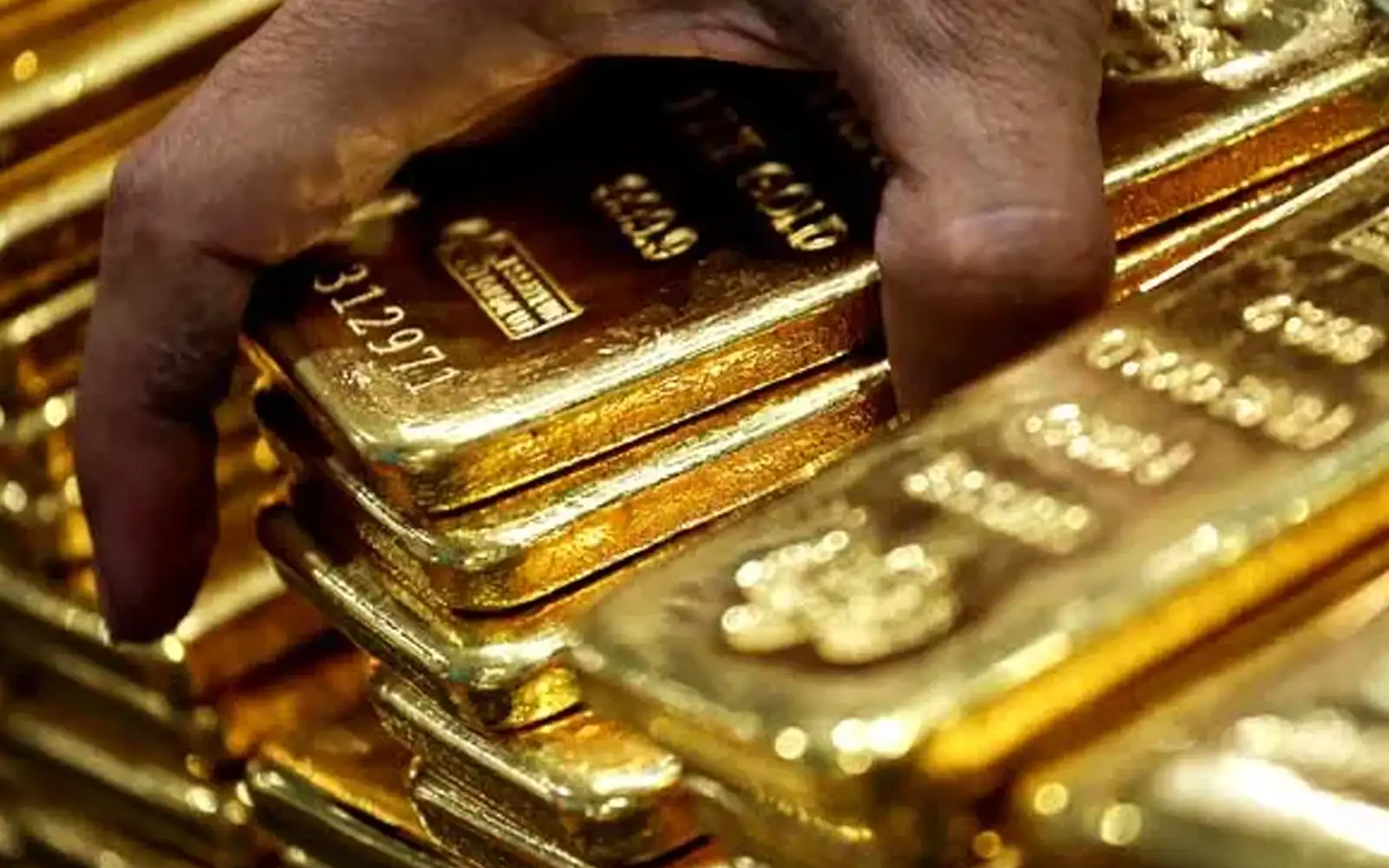
Traditionally, periods of geopolitical turmoil—especially in the Middle East—have sent gold prices soaring as investors seek safety from market volatility. However, the ongoing US-Iran conflict has upended this narrative. Since the escalation began in late February 2026, gold has dropped over 12%, falling below US$4,610 an ounce after the latest threats from US President Donald Trump to intensify attacks on Iran. This counterintuitive move has left many expats and investors in Thailand questioning the underlying dynamics.
Why Is Gold Falling Despite Rising Global Risks?
Several factors are contributing to gold’s weakness, even as regional tensions and energy market disruptions intensify:
- Investor Liquidations: As equity markets have turned volatile and losses mount elsewhere, investors are selling gold positions to raise cash and cover margin calls. This forced selling pressure has overwhelmed gold’s traditional role as a safe haven.
- Surging Energy Prices and Inflation Fears: The conflict has driven oil prices higher, stoking inflation concerns globally. While gold is often seen as an inflation hedge, the current environment has shifted expectations for central bank policy. Instead of rate cuts that would typically support non-yielding assets like gold, markets now anticipate tighter monetary conditions to combat inflation, reducing gold’s appeal.
- Strengthening US Dollar: The Bloomberg Dollar Spot Index has edged higher, reflecting a flight to cash and the perceived safety of the US currency. A stronger dollar makes gold more expensive for holders of other currencies, further dampening demand.
Implications for Expats and Investors in Thailand
For expats and investors based in Thailand, these developments carry important implications:
- Portfolio Diversification Remains Key: The recent gold selloff underscores the importance of not relying solely on traditional safe havens during periods of crisis. Diversification across asset classes and geographies remains crucial.
- Currency Considerations: With the US dollar strengthening, those holding assets in Thai baht or other regional currencies may see additional volatility. Monitoring exchange rates is essential, especially for expats with cross-border financial commitments.
- Energy and Inflation Risks: Rising oil prices could feed into higher living costs in Thailand, impacting everything from transportation to imported goods. Investors should be mindful of sectors and assets that are sensitive to inflationary pressures.
- Watch for Policy Shifts: Central banks in Asia, including the Bank of Thailand, may adjust their monetary stance in response to global inflation trends. This could affect local interest rates, bond yields, and property markets.
Looking Ahead: Cautious Optimism or Further Volatility?
The gold market’s reaction to the US-Iran crisis highlights the complexity of global financial flows in 2026. While geopolitical risks remain elevated, the interplay between inflation, monetary policy, and investor psychology is driving unexpected outcomes. For expats and investors in Thailand, vigilance and flexibility will be vital as the situation evolves. Monitoring not just gold, but also currency movements, energy prices, and central bank signals, will help navigate the uncertainty ahead.
Source: Free Malaysia Today
This article is provided for informational purposes only and does not constitute financial or legal advice. Information sourced from Free Malaysia Today may have been edited for clarity. Always verify details with official sources before making any decisions.
Related Articles

Mayon Volcano’s Renewed Activity: Implications for Investors and Expats in the Philippines
Mayon Volcano's ongoing eruptions and ash emissions present both immediate risks and long-term considerations for investors and expatriates in the Philippines, particularly in the Bicol region. This analysis explores the economic, real estate, and infrastructure impacts, as well as potential opportunities arising from the situation.