Expat Lessons from Ha Giang: Japanese Investment in Vietnamese Heritage Tourism
Source: VnExpress
Building Bridges: A Japanese Expat’s Enduring Impact in Ha Giang
Ha Giang, a mountainous province in northern Vietnam, is celebrated for its breathtaking landscapes and rich ethnic cultures. Yet, it is the story of a Japanese man who has called this remote region home for over 30 years that offers unique lessons for expats and investors interested in sustainable tourism and heritage preservation.
From Visitor to Community Pillar
Arriving in Ha Giang decades ago, the Japanese expat was initially drawn by the region’s natural beauty and the warmth of its people. Over time, he became more than a visitor—he integrated into the local community, learning the language and customs, and eventually dedicating himself to supporting the area’s development.
Heritage Preservation as a Foundation for Tourism
One of the expat’s core contributions has been his focus on preserving local heritage. Rather than promoting rapid, unsustainable development, he worked alongside villagers to maintain traditional architecture, crafts, and customs. This approach has ensured that tourism in Ha Giang is rooted in authenticity, offering visitors a genuine cultural experience while safeguarding the community’s identity.
- Community-Led Initiatives: By empowering locals to manage homestays and cultural tours, the expat fostered a sense of ownership and pride among residents.
- Skill Development: Training programs in hospitality and language skills have enabled villagers to benefit directly from tourism, rather than being sidelined by outside investors.
- Architectural Conservation: Restoration of traditional houses has not only preserved the village’s unique character but also attracted tourists seeking authentic experiences.
Lessons for Expats and Investors
This long-term commitment offers several key takeaways for those considering investment or relocation in Southeast Asia:
- Integration is Key: Deep engagement with local communities—learning the language, respecting traditions, and building trust—can unlock opportunities that short-term ventures often miss.
- Sustainability Drives Value: Projects that prioritize cultural and environmental preservation tend to have more enduring appeal to both tourists and locals, reducing backlash and ensuring long-term viability.
- Shared Prosperity: When locals are partners rather than passive participants, tourism can become a tool for inclusive growth, reducing poverty and strengthening social cohesion.
Challenges and Opportunities
While the Ha Giang example is inspiring, it also highlights challenges. Infrastructure in remote areas remains limited, and balancing growth with preservation requires ongoing dialogue. However, as Vietnam’s tourism sector rebounds post-pandemic, demand for authentic, sustainable experiences is rising—creating opportunities for investors who adopt a community-first mindset.
Conclusion: A Model for Sustainable Tourism
The Japanese expat’s journey in Ha Giang demonstrates that successful investment in tourism goes beyond capital. It requires patience, respect, and a genuine commitment to the people and places involved. For expats and investors seeking to make a meaningful impact in Southeast Asia, his story offers a blueprint for building both a home and a legacy.
Source: VnExpress
This article is provided for informational purposes only and does not constitute financial or legal advice. Information sourced from VnExpress may have been edited for clarity. Always verify details with official sources before making any decisions.
Related Articles
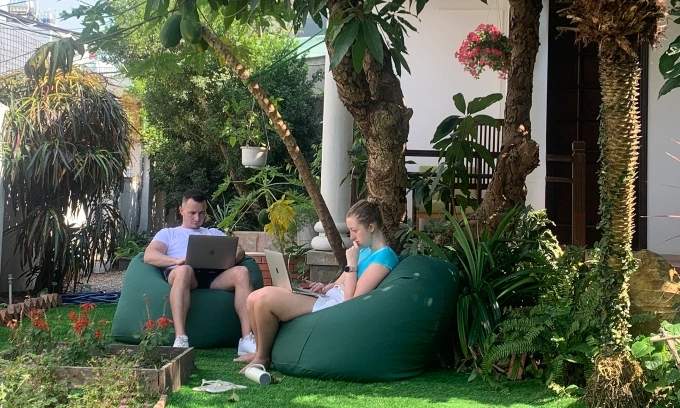
Da Nang: Vietnam’s Rising Digital Nomad Hub and What It Means for Expats and Investors
Da Nang is rapidly positioning itself as a premier destination for digital nomads, challenging Southeast Asia’s established hotspots. This article analyzes the city’s appeal, the implications for expats, and the opportunities and challenges for investors.