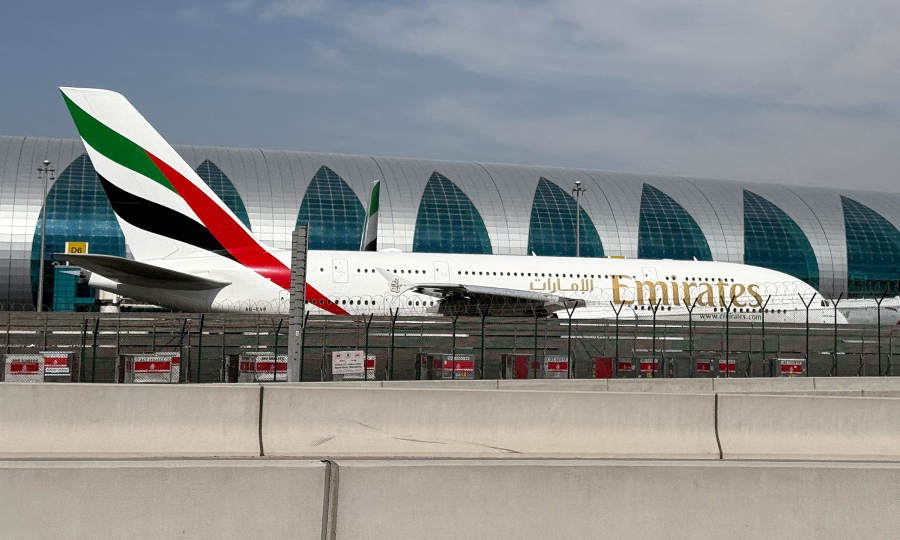
Dubai Airport’s Passenger Decline: What It Means for Thailand’s Travel and Investment Sectors
Source: VnExpress
Dubai Airport’s Passenger Decline: A Signal for Thailand’s Travel Sector?
Dubai International Airport (DXB), long recognized as the world’s busiest international aviation hub, reported a notable decrease in passenger traffic in the first quarter of 2026. According to the Dubai media office, DXB handled 18.6 million passengers, a sharp drop from 23.4 million during the same period last year. For Thailand’s expat, investor, and travel communities, this development offers both challenges and opportunities worth examining.
Understanding the Decline: Global and Regional Factors
Several factors may have contributed to the drop in passenger numbers at DXB, including shifting travel patterns, economic headwinds, and evolving airline strategies. While Dubai remains a key transit point between Europe, Asia, and Africa, increased competition from other regional hubs and changes in consumer preferences are reshaping the aviation landscape.
For Thailand, which relies heavily on international arrivals and robust air connectivity, these shifts are particularly relevant. Dubai’s role as a transfer hub for travelers heading to Southeast Asia means that any reduction in its throughput could impact inbound tourism and business travel to Thailand.
Potential Impacts on Thailand’s Tourism and Expat Sectors
- Reduced Transit Traffic: Fewer passengers passing through Dubai may translate to lower numbers of tourists and business travelers arriving in Thailand, especially from Europe, the Middle East, and Africa.
- Airline Route Adjustments: Airlines may respond to reduced demand by adjusting flight frequencies or rerouting services, potentially making travel to Thailand less convenient for some international visitors.
- Competitive Opportunities: Thailand’s own airports, such as Suvarnabhumi and Don Mueang in Bangkok, could capitalize on this shift by positioning themselves as alternative regional hubs, attracting new carriers and routes.
Investment Insights: Risks and Opportunities
For investors in Thailand’s tourism, hospitality, and infrastructure sectors, DXB’s passenger decline is a double-edged sword. On one hand, it signals potential headwinds for international arrivals and related spending. On the other, it opens the door for strategic investments in airport infrastructure, airline partnerships, and tourism marketing to capture market share from shifting travel flows.
- Airport Expansion: Ongoing upgrades at Thai airports could attract airlines seeking new transit points, especially if Dubai’s dominance wanes.
- Tourism Diversification: Targeting new source markets and promoting multi-destination packages may help offset any decline in traditional transit-based arrivals.
- Real Estate and Hospitality: Investors should monitor occupancy rates and adapt offerings to cater to changing traveler demographics and preferences.
Strategic Considerations for Expats and Business Leaders
For expats and business leaders in Thailand, the evolving air travel landscape underscores the importance of flexibility and forward planning. Companies reliant on international staff movement or global supply chains should anticipate possible disruptions or increased travel times. Meanwhile, expats may find fewer direct flight options or higher fares on certain routes.
Proactive engagement with airlines, travel agencies, and government bodies can help mitigate risks and identify new opportunities as the region’s aviation dynamics continue to evolve.
Conclusion: Watching the Skies
Dubai International Airport’s recent passenger decline is more than a regional statistic—it’s a bellwether for broader shifts in global travel. For Thailand’s expat, investor, and travel communities, staying attuned to these changes will be crucial for navigating the next phase of growth and competition in Southeast Asia’s vibrant tourism and business landscape.
Source: VnExpress
This article is provided for informational purposes only and does not constitute financial or legal advice. Information sourced from VnExpress may have been edited for clarity. Always verify details with official sources before making any decisions.
Related Articles

Da Nang: Vietnam’s Rising Digital Nomad Hub and What It Means for Expats and Investors
Da Nang is rapidly positioning itself as a premier destination for digital nomads, challenging Southeast Asia’s established hotspots. This article analyzes the city’s appeal, the implications for expats, and the opportunities and challenges for investors.