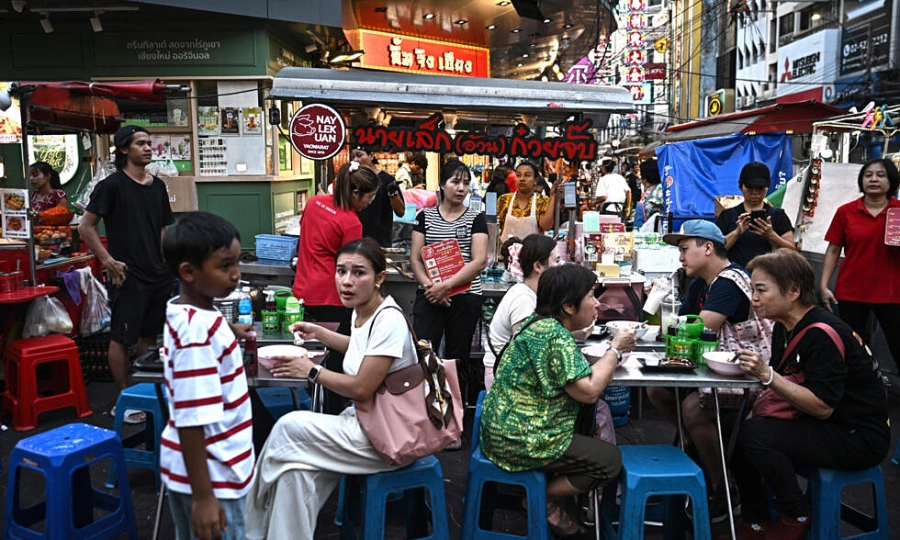
Bangkok’s Street Food Crackdown: Implications for Expats and Investors
Source: VnExpress
The Changing Face of Bangkok’s Street Food Scene
Bangkok has long been celebrated as a global street food capital, where the city’s vibrant sidewalks double as open-air kitchens. Aromatic wafts of garlic, chilli, and grilled meats have drawn locals, expats, and tourists alike, making street food not just a culinary staple but a defining element of the city’s identity. However, recent regulatory crackdowns on street vendors are transforming this landscape, with far-reaching implications for those living, investing, or traveling in Thailand.
Regulatory Pressures: What’s Happening?
Authorities in Bangkok have tightened controls on street vendors, citing reasons such as public hygiene, pedestrian safety, and urban order. These measures include stricter licensing, designated vending zones, and, in some cases, outright bans in popular districts. While the intention is to modernize the city and improve cleanliness, these policies are pushing many traditional vendors off the streets, threatening their livelihoods and altering the city’s culinary fabric.
Implications for Expats
- Cultural Experience: For many expats, street food is more than just a meal—it’s an immersion into Thai culture. The reduction in street vendors could mean fewer opportunities to engage with authentic local life and cuisine.
- Cost of Living: Street food has traditionally offered affordable dining options. As vendors are pushed out and replaced by more formal eateries, expats may see an uptick in daily meal costs.
- Neighborhood Dynamics: Areas once lively with food carts may become quieter or more commercialized, potentially impacting the vibrancy and appeal of certain districts for foreign residents.
Considerations for Investors
- Hospitality and F&B Sector: Investors in restaurants or food-related businesses should monitor these regulatory shifts. While some may benefit from reduced competition, the unique draw of Bangkok’s street food is a key tourism asset. Its decline could affect foot traffic and overall demand.
- Real Estate: Changes in street activity can influence property values. Areas losing their street food culture may see shifts in desirability, affecting both residential and commercial investments.
- Tourism Impact: Bangkok’s reputation as a street food haven is a major tourism driver. A diminished street food scene could reduce the city’s appeal, impacting hotels, tour operators, and related sectors.
Balancing Modernization and Tradition
The challenge for Bangkok lies in finding a balance between urban modernization and preserving the street food culture that is integral to its global image. Some cities have successfully integrated street food into regulated frameworks, maintaining hygiene and order without sacrificing vibrancy. For expats and investors, understanding how Bangkok navigates this transition will be crucial in assessing the city’s future opportunities and lifestyle appeal.
Looking Ahead
As authorities continue to enforce tighter controls, expats and investors should stay informed about policy changes and their broader impacts. The evolution of Bangkok’s street food scene will not only shape daily life but also influence the city’s economic and cultural trajectory. For those invested in Thailand’s future, the fate of its street vendors is more than a local issue—it’s a bellwether for the city’s adaptability and enduring charm.
Source: VnExpress
This article is provided for informational purposes only and does not constitute financial or legal advice. Information sourced from VnExpress may have been edited for clarity. Always verify details with official sources before making any decisions.
Related Articles

Da Nang: Vietnam’s Rising Digital Nomad Hub and What It Means for Expats and Investors
Da Nang is rapidly positioning itself as a premier destination for digital nomads, challenging Southeast Asia’s established hotspots. This article analyzes the city’s appeal, the implications for expats, and the opportunities and challenges for investors.