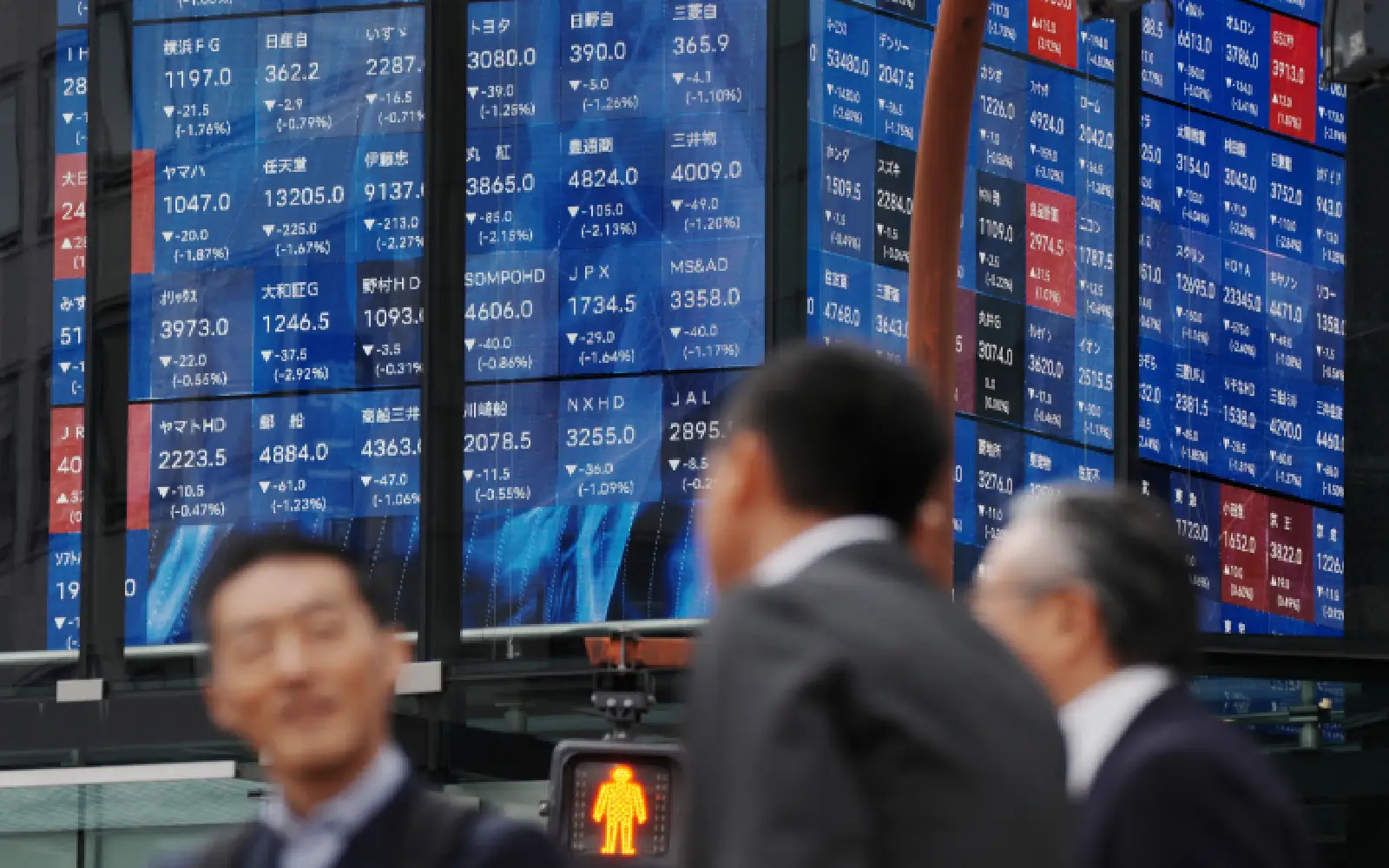
AI Boom Powers Asian Stocks Amid Gulf Tensions: What Expats and Investors Need to Know
Source: Free Malaysia Today
AI Surge Shields Asian Markets from Gulf Uncertainty
Asian stock markets have shown remarkable resilience in the face of escalating geopolitical tensions in the Gulf, with the ongoing AI and semiconductor boom providing a powerful counterbalance to concerns over energy supply disruptions. For expats and investors in Thailand and across Asia, understanding these dynamics is crucial for navigating both risks and opportunities in the region’s financial landscape.
Oil Prices Climb as Middle East Tensions Persist
The Strait of Hormuz, a critical chokepoint for global oil shipments, remains at the center of international concern. While diplomatic efforts between the US and Iran continue, the lack of concrete progress has kept oil prices elevated. Brent crude recently climbed nearly 2% to approach US$93 per barrel, while US crude rose over 2% to nearly US$90. The ongoing conflict, including Israeli military actions in Lebanon, has further complicated the outlook for a swift resolution.
For economies heavily reliant on energy imports, such as Japan and much of Southeast Asia, sustained high oil prices could translate into higher inflation and increased costs for businesses and consumers alike. This is particularly relevant for Thailand, where energy imports are a significant component of the trade balance.
AI and Semiconductors Drive Market Gains
Despite these headwinds, Asian equities have been buoyed by robust demand for AI-related technologies and semiconductors. Japan’s Nikkei index continued its ascent, building on a 5% surge the previous week to reach new all-time highs. South Korea and Taiwan, both key players in the global semiconductor supply chain, also posted strong gains.
- Japan: Nikkei up 0.5% after a stellar 5% gain last week
- South Korea: Market rose 1.3%, following an 8% surge last week
- Taiwan: Nearly 6% weekly gain, underscoring its central role in the AI hardware ecosystem
The Computex trade show in Taiwan, headlined by Nvidia’s CEO, underscores the region’s pivotal role in the AI revolution. For investors, this ongoing tech rally offers both growth potential and diversification benefits, especially as traditional sectors face pressure from rising input costs.
Global Market Divergence and Currency Impacts
While Asian tech stocks soar, European markets have lagged, with futures for major indices like the EUROSTOXX 50 and DAX slipping. In the US, gains have been concentrated in a handful of AI-linked giants, with the top 10 companies accounting for a disproportionate share of the S&P 500’s performance.
Currency markets reflect these divergences. The US dollar remains firm, supported by expectations that the Federal Reserve may need to raise rates to counter inflationary pressures from higher oil prices. The Japanese yen and euro, both sensitive to energy import costs, have struggled to gain traction.
Implications for Expats and Investors in Thailand
- Portfolio Diversification: Exposure to Asian tech and semiconductor sectors can help offset risks from energy price volatility.
- Currency Strategy: A strong US dollar may impact remittances and investment returns for expats holding assets in yen or euro.
- Inflation Watch: Higher oil prices could feed through to consumer prices in Thailand, affecting both cost of living and corporate margins.
- Geopolitical Monitoring: Continued vigilance is needed as Gulf tensions could still trigger market shocks or supply chain disruptions.
Looking Ahead
For now, the AI-driven rally is providing a strong tailwind for Asian equities, helping to offset the drag from elevated oil prices and geopolitical uncertainty. However, investors should remain alert to shifting dynamics, particularly as central banks weigh their next moves and diplomatic efforts in the Gulf continue. For expats and investors in Thailand, a balanced approach—leveraging tech growth while hedging against energy risks—remains the prudent path forward.
Source: Free Malaysia Today
This article is provided for informational purposes only and does not constitute financial or legal advice. Information sourced from Free Malaysia Today may have been edited for clarity. Always verify details with official sources before making any decisions.
Related Articles

Plunder Cases and Political Uncertainty: Implications for Investors in the Philippines
Recent high-profile plunder cases in the Philippines, such as those involving Senator Jinggoy Estrada, highlight ongoing challenges in governance and the rule of law. For expats and investors, understanding the impact of political uncertainty on the investment climate is crucial.