Vietnam’s Fruit Price Slump: Implications for Expats and Investors
Source: VnExpress
Vietnam’s Fruit Price Plunge: What’s Behind the Decline?
Since the beginning of 2024, Vietnam has witnessed a marked drop in the prices of several major fruits at the farm gate. This downturn is closely linked to a contraction in export volumes, a development that carries notable implications for the country’s agricultural sector, rural livelihoods, and those with investment or business interests in Vietnam’s agri-food value chain.
Export Contraction: The Core Driver
Vietnam’s fruit industry has long depended on robust export demand, particularly from neighboring China and other Asian markets. However, recent months have seen a slowdown in cross-border trade. This is attributed to a combination of factors:
- Stricter import regulations in key markets, especially China, requiring higher standards for traceability and food safety.
- Logistical bottlenecks at border crossings, leading to delays and increased costs.
- Increased competition from regional producers such as Thailand and the Philippines.
- Changing consumer preferences and economic headwinds in importing countries, dampening demand.
Economic Impact on Farmers and Rural Communities
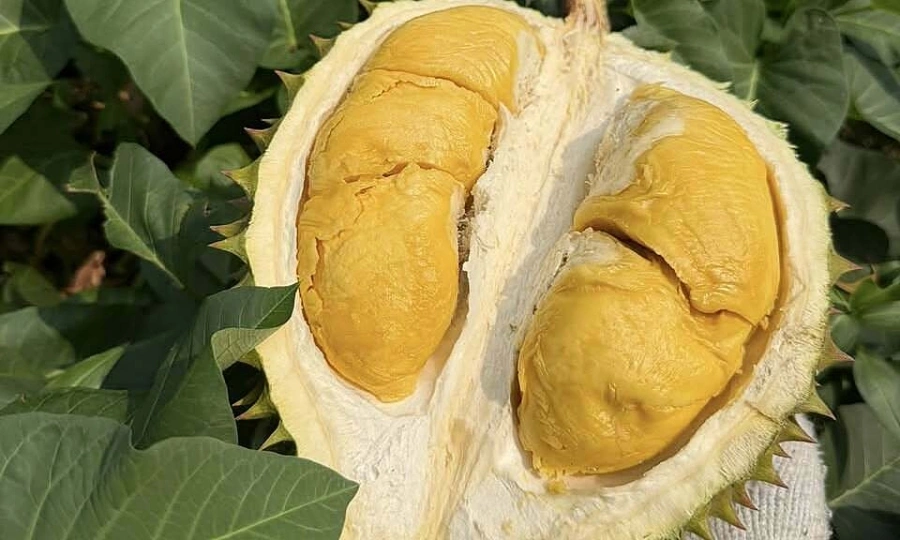
The immediate impact of falling export demand is felt most acutely by Vietnamese farmers. With fewer buyers and excess supply, farm-gate prices for fruits such as dragon fruit, mango, and durian have dropped sharply. This price pressure threatens the profitability of smallholders and may lead to reduced investment in future crop cycles.
For rural communities, the ripple effects are significant. Lower incomes can constrain household spending, affecting local economies and potentially increasing rural-urban migration as workers seek alternative livelihoods.
Implications for Expats and Investors
For expats and foreign investors, the situation presents both risks and opportunities:
- Supply Chain Disruptions: Businesses involved in fruit processing, logistics, or export may face volatility in supply and pricing. Strategic partnerships with local producers and investment in cold chain infrastructure could mitigate some risks.
- Market Entry Opportunities: Lower farm-gate prices may reduce input costs for food and beverage ventures targeting the domestic market. There is potential for value-added processing or developing new products for local and regional consumption.
- Long-term Investment in Quality: The tightening of import standards by key buyers underscores the need for improved traceability, certification, and sustainable farming practices. Investors with expertise in agri-tech, supply chain management, or certification services may find new openings.
- Real Estate and Land Use: Prolonged price weakness could lead to land-use changes or consolidation, presenting opportunities for those interested in agricultural land acquisition or rural development projects.
Looking Ahead: Adaptation and Diversification
Vietnam’s fruit sector is at a crossroads. While the current downturn is challenging, it also serves as a catalyst for modernization. Producers and exporters are increasingly aware of the need to diversify markets, upgrade production standards, and invest in branding and value addition.
For expats and investors, staying attuned to policy shifts, market trends, and technological advancements will be key. Those who can help bridge the gap between local producers and international standards stand to benefit as Vietnam’s agricultural sector seeks greater resilience and competitiveness.
Source: VnExpress
This article is provided for informational purposes only and does not constitute financial or legal advice. Information sourced from VnExpress may have been edited for clarity. Always verify details with official sources before making any decisions.
Related Articles

Mayon Volcano’s Renewed Activity: Implications for Investors and Expats in the Philippines
Mayon Volcano's ongoing eruptions and ash emissions present both immediate risks and long-term considerations for investors and expatriates in the Philippines, particularly in the Bicol region. This analysis explores the economic, real estate, and infrastructure impacts, as well as potential opportunities arising from the situation.