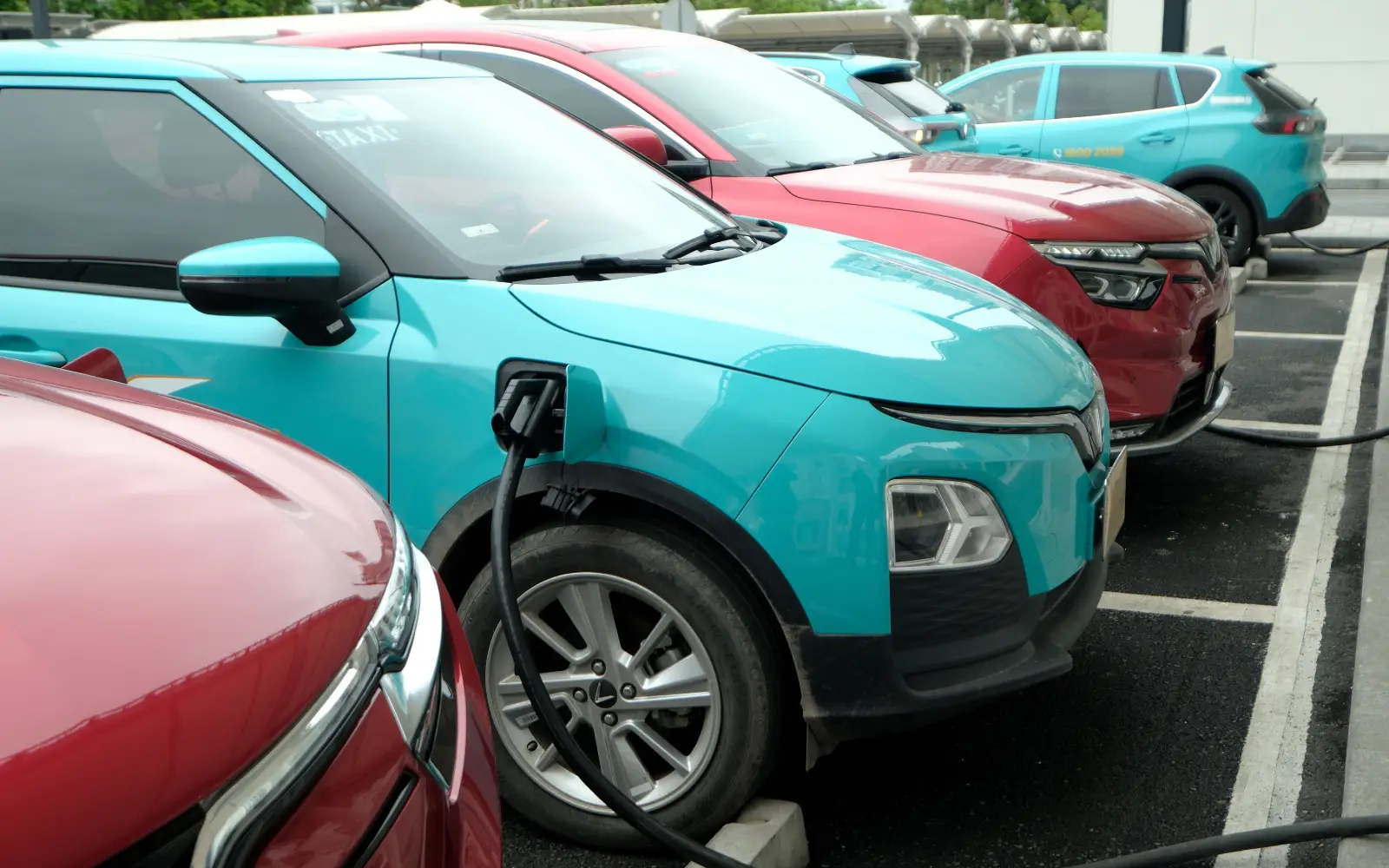
Vietnam’s EV Tax Incentive Extension: Implications for Investors and Expats
Source: Free Malaysia Today
Vietnam’s Ambitious EV Incentive Extension: What It Means for Investors and Expats
Vietnam’s government is poised to extend its special consumption tax cut on electric vehicles (EVs) through 2030, a move that underscores the country’s commitment to sustainable transportation and its 2050 net zero emissions target. This policy extension, pending parliamentary approval, is set to reshape the automotive landscape and offers a range of implications for foreign investors, expats, and the broader business community.
From Modest Beginnings to Exponential Growth
The initial tax cut, introduced in March 2022, slashed the special consumption tax on EVs from a range of 4%-11% down to just 1%-3%. The impact was immediate and dramatic: annual EV sales in Vietnam soared from about 7,000 units in 2022 to nearly 175,000 units the following year. This surge not only reflects pent-up consumer demand but also signals a rapid shift in market dynamics, driven by favorable government policy.
Key Drivers Behind the Extension
- Environmental Commitments: Each EV on Vietnamese roads is estimated to reduce carbon dioxide emissions by 0.85 metric tons annually compared to traditional vehicles. The tax incentive is a central pillar in Vietnam’s strategy to meet its 2050 net zero goal.
- Urban Air Quality: Major cities in Vietnam, like Hanoi and Ho Chi Minh City, face persistent air pollution challenges. Accelerating EV adoption is expected to yield tangible improvements in urban air quality.
- Market Development: The extension provides long-term policy certainty, encouraging both domestic and foreign automakers to invest in local EV manufacturing, infrastructure, and supply chains.
Opportunities for Investors
- Automotive Manufacturing: The sustained tax incentive is likely to attract further investment in EV assembly plants, battery manufacturing, and component supply chains. Foreign investors can explore joint ventures or greenfield projects in these areas.
- Charging Infrastructure: With EV adoption rising, demand for charging stations and related services will grow. This creates openings for technology providers, infrastructure developers, and service operators.
- Green Tech and Ancillary Services: The broader EV ecosystem—ranging from battery recycling to software for fleet management—offers fertile ground for innovation and investment.
Considerations for Expats and the Expatriate Business Community
- Personal Mobility: Expats residing in Vietnam may find EVs increasingly attractive due to lower running costs, improved charging infrastructure, and government support.
- Corporate Fleets: Companies operating in Vietnam can leverage the incentives to green their vehicle fleets, aligning with global sustainability mandates and potentially reducing operational costs.
- Real Estate and Urban Planning: The proliferation of EVs will influence residential and commercial property development, with charging facilities becoming a key amenity for new projects.
Risks and Challenges
While the outlook is promising, investors should remain mindful of potential challenges:
- Policy Uncertainty: Although the extension is proposed, final approval and implementation details may evolve.
- Infrastructure Gaps: Rapid EV adoption will require significant upgrades to the national grid and charging networks.
- Market Competition: The influx of both local and international players could intensify competition, affecting margins and market share.
Conclusion: A Market on the Move
Vietnam’s plan to extend EV tax incentives through 2030 signals a robust commitment to green mobility and offers a stable policy environment for investors. For expats and the business community, the evolving landscape presents both opportunities and challenges. As Vietnam accelerates its transition to cleaner transport, those who position themselves early stand to benefit from the country’s dynamic growth trajectory.
Source: Free Malaysia Today
This article is provided for informational purposes only and does not constitute financial or legal advice. Information sourced from Free Malaysia Today may have been edited for clarity. Always verify details with official sources before making any decisions.

