Dollar Strength Against Vietnamese Dong: Implications for Thailand-Based Investors
Source: VnExpress
Understanding the Recent USD/VND Movement
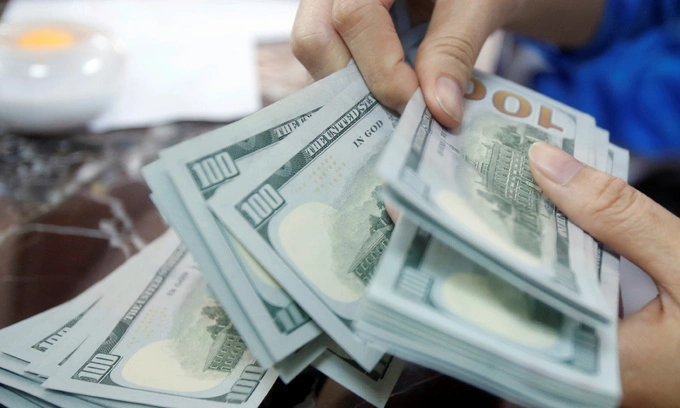
The U.S. dollar's rise against the Vietnamese dong on Wednesday stands out, especially as the greenback has been losing ground to other major currencies. For investors and expats in Thailand, this development is worth monitoring—not only for its immediate effects on Vietnam but also for its broader implications across Southeast Asia.
Key Drivers Behind the Dollar's Strength
Several factors are influencing the USD/VND exchange rate:
- U.S. Economic Data: Recent economic indicators from the U.S. have reinforced the dollar's appeal as a safe-haven currency, even as expectations for Federal Reserve rate cuts grow.
- Vietnam's Trade Balance: Vietnam's trade dynamics, including fluctuating export revenues and import costs, can impact the dong's stability. Any signs of slowing export growth or rising import bills tend to pressure the dong.
- Regional Capital Flows: Investors' risk appetite in Southeast Asia is shifting, with some capital moving towards perceived safer assets, including the U.S. dollar.
Implications for Thailand's Economy and Investors
While the immediate currency movement is between the dollar and the dong, the ripple effects are felt across the region—including Thailand. Here’s how:
- Regional Competitiveness: A weaker dong could make Vietnamese exports more competitive compared to Thai products, potentially impacting Thailand’s export sector, especially in overlapping industries like electronics, textiles, and agriculture.
- Investment Flows: Currency volatility can influence foreign direct investment (FDI) decisions. If the dong continues to weaken, some investors may view Vietnam as riskier, potentially redirecting capital to more stable markets like Thailand.
- Tourism and Remittances: For expats and businesses dealing with cross-border transactions, exchange rate shifts can affect costs and revenues. Thai businesses with operations or suppliers in Vietnam may see changes in input costs.
What Should Expats and Investors in Thailand Watch?
For those living or investing in Thailand, the USD/VND dynamic offers several lessons and opportunities:
- Monitor Regional Currency Trends: The Thai baht often moves in tandem with other Southeast Asian currencies. A sustained weakening of the dong could put downward pressure on the baht, especially if regional capital outflows accelerate.
- Hedge Currency Risks: Investors with exposure to Vietnam or cross-border operations should consider hedging strategies to mitigate potential currency losses.
- Evaluate Export and Import Strategies: Thai exporters competing with Vietnamese firms may need to reassess pricing strategies, while importers sourcing from Vietnam could benefit from a weaker dong.
Looking Ahead
Currency markets in Southeast Asia remain sensitive to both global and local developments. The dollar's recent gain over the dong, despite broader softness, highlights the importance of monitoring not just headline rates but also the underlying economic and policy factors driving them. For expats and investors in Thailand, staying informed and agile will be key to navigating these shifting tides.
Source: VnExpress
This article is provided for informational purposes only and does not constitute financial or legal advice. Information sourced from VnExpress may have been edited for clarity. Always verify details with official sources before making any decisions.
Related Articles

Mayon Volcano’s Renewed Activity: Implications for Investors and Expats in the Philippines
Mayon Volcano's ongoing eruptions and ash emissions present both immediate risks and long-term considerations for investors and expatriates in the Philippines, particularly in the Bicol region. This analysis explores the economic, real estate, and infrastructure impacts, as well as potential opportunities arising from the situation.