Thailand’s 2026 Crackdown on Nominee Structures: What Expats and Investors Must Know
Source: Pattaya Mail
The End of an Era: Nominee Structures Under Siege
For decades, foreign investors seeking a foothold in Thailand’s lucrative property market have relied on creative legal structures—most notably, the use of Thai “nominees” to circumvent strict foreign ownership laws. In 2026, this workaround is facing its most decisive challenge yet. The Thai government has shifted from warnings to aggressive enforcement, signaling a fundamental change in how foreign property investment is regulated.
Coordinated Crackdown: The New Enforcement Landscape
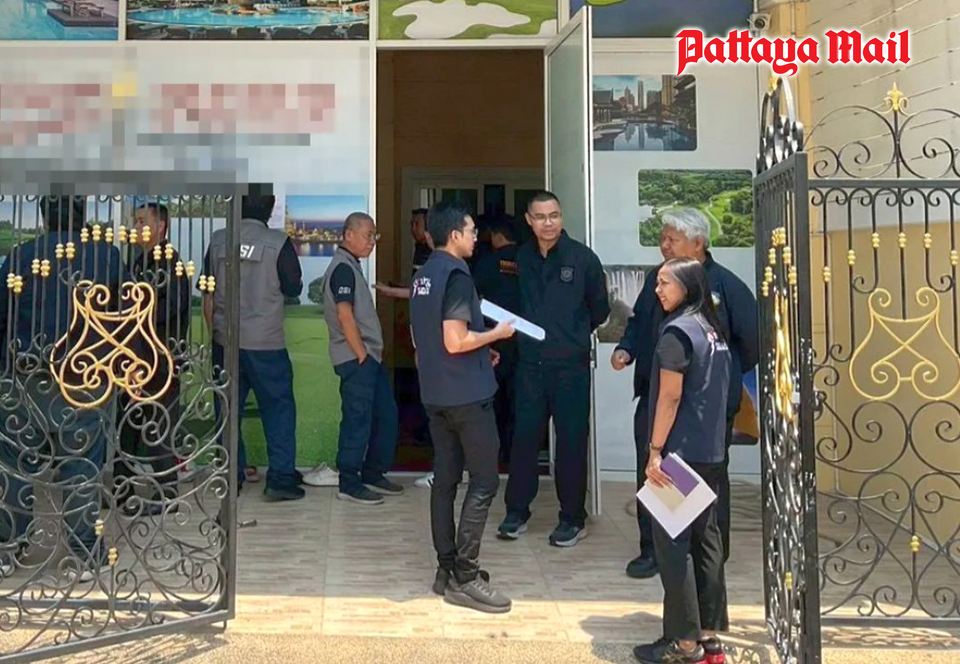
Recent months have seen an unprecedented level of coordination among Thai authorities. The Department of Business Development (DBD), Department of Special Investigation (DSI), and Central Investigation Bureau (CIB) have joined forces to scrutinize local companies, particularly in hotspots like Pattaya. Their investigations have uncovered widespread abuse of nominee structures—where a handful of Thai nationals act as shareholders for dozens or even hundreds of companies, often with no real financial stake or business activity.
- Authorities have identified so-called “Super Nominees” holding shares in over 100 companies each.
- Combined, these shell companies represent investments exceeding 300 million THB.
- 146 companies in Chonburi province alone are now blacklisted and under deep financial audit.
The message is clear: the era of lax oversight is over, and the risks of non-compliance are higher than ever.
Operation "Lightning Strike": Real-World Consequences
The March 2026 “Lightning Strike” operation marked a turning point. Law and accounting firms facilitating nominee arrangements were raided, licenses were revoked, and professionals found enabling these schemes now face criminal prosecution and permanent disbarment. This is not just a warning shot—it is a full-scale policy shift with immediate, tangible consequences for both enablers and foreign investors.
Red Flags and Safe Paths: How to Navigate the New Reality
For expats and investors, distinguishing between legitimate and high-risk structures is now critical. Authorities are targeting companies with:
- Thai shareholders lacking the financial means to justify their investment
- Entities holding land but showing no real business activity or revenue
- Opaque or incomplete documentation regarding the source of funds
Conversely, the safest path forward is total transparency. A compliant Thai company should:
- Operate as a genuine business with active operations and tax filings
- Have Thai shareholders whose financial standing can be independently verified
- Maintain rigorous Know Your Customer (KYC) protocols and clear documentation of all capital sources
Shortcuts that once seemed expedient now represent significant legal and financial risks.
Implications for Investors and Expats
This new enforcement era has several key implications:
- Due Diligence is Essential: Investors must audit existing structures and ensure all documentation is in order.
- Professional Advisors Under Scrutiny: Legal and accounting professionals are now being held to the highest standards of integrity, with on-site inspections and severe penalties for non-compliance.
- Higher Initial Costs, Lower Long-Term Risk: While full compliance may require more paperwork and upfront expense, it is the only way to safeguard property and investments from legal dissolution or forfeiture.
For those considering new investments, the focus should be on transparency, operational substance, and strict adherence to Thai law. The “rubber-stamp” era is over; only genuine, well-documented enterprises will stand the test of regulatory scrutiny.
Conclusion: Compliance is the Only Safe Harbor
Pattaya and Thailand at large remain attractive destinations for foreign capital. However, the landscape has fundamentally changed. Investors and expats must adapt by prioritizing legal compliance and transparency over expedient but risky structures. In 2026 and beyond, the only sustainable path is one built on solid legal ground.
Source: Pattaya Mail
This article is provided for informational purposes only and does not constitute financial or legal advice. Information sourced from Pattaya Mail may have been edited for clarity. Always verify details with official sources before making any decisions.
Related Articles

Mayon Volcano’s Renewed Activity: Implications for Investors and Expats in the Philippines
Mayon Volcano's ongoing eruptions and ash emissions present both immediate risks and long-term considerations for investors and expatriates in the Philippines, particularly in the Bicol region. This analysis explores the economic, real estate, and infrastructure impacts, as well as potential opportunities arising from the situation.