Thailand’s 2026 Nominee Crackdown: What It Means for Foreign Investors and Expats
Source: Pattaya Mail
Thailand’s Nominee Crackdown: A New Era for Foreign Investors
In 2026, Thailand is embarking on a significant transformation in its approach to foreign business and property ownership. The introduction of DBD Order No. 1/2569, alongside a landmark multi-agency enforcement agreement, signals the end of the long-standing tolerance for nominee shareholder arrangements. For expats and foreign investors, particularly in hotspots like Pattaya and the Eastern Economic Corridor (EEC), this is more than a routine regulatory update—it’s a fundamental turning point with far-reaching consequences.
From Legal Grey Zone to Direct Accountability
Historically, foreign investors in Thailand often used nominee structures—where Thai nationals hold shares on behalf of foreigners—to circumvent ownership restrictions. While these arrangements were technically illegal, enforcement was sporadic, and many investors operated in a grey area, often with the tacit approval of intermediaries or legal advisors.
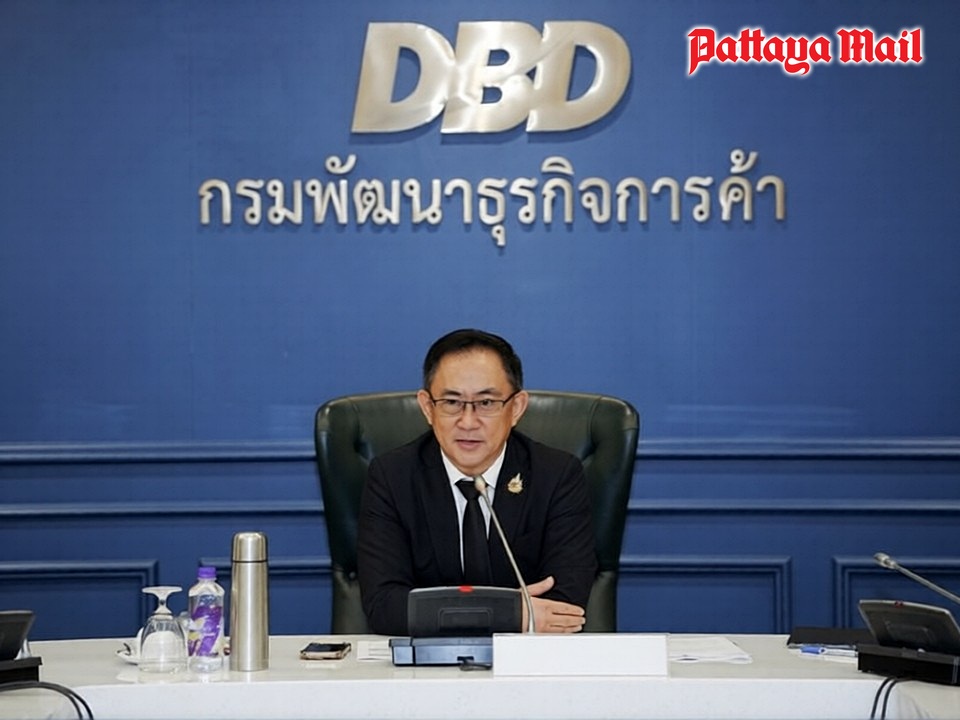
DBD Order No. 1/2569 changes the landscape entirely. Now, company directors and shareholders must formally declare that:
- All shareholders are genuine investors
- Share capital has been fully paid up
- No nominee arrangements exist
This shift transforms nominee use from a matter of interpretation to one of direct legal liability. The focus is no longer just on the structure itself, but on the veracity of formal declarations made to authorities. The risks for misrepresentation are now explicit and substantial.
Investor Anxiety and Legal Uncertainty
The immediate impact has been a surge in uncertainty among foreign investors. Many are urgently seeking legal advice, questioning the legality of their existing structures and the security of their assets. The most pressing concerns include:
- Is my current company or property holding structure compliant?
- Could my assets be at risk if investigated?
- What are the consequences of past arrangements?
This marks a clear shift from complacency to caution, especially among long-term expat business owners and property investors who previously assumed their arrangements were safe.
Property and the EEC: High Stakes, High Scrutiny
Nominee structures have been widely used in property ownership, particularly for condominiums and large land parcels in the EEC. With the new enforcement regime, these arrangements are under intense scrutiny. The implications are significant:
- Foreigners holding property via nominee companies may face investigations or forced divestment
- Large-scale land deals in the EEC, often involving complex ownership webs, are now potential targets for regulatory action
- Investor confidence in the real estate market could be shaken, impacting both prices and liquidity
While Thailand remains committed to attracting foreign investment, the message is clear: such investment must be transparent and fully compliant with the law.
Enforcement Outpaces Alternatives
The April 29 agreement between 21 government agencies marks a new era of coordinated enforcement. However, a critical gap remains: while non-compliant structures are being dismantled, practical legal alternatives for foreigners—such as clearer ownership frameworks or robust long-term lease options—are still limited or underdeveloped.
This creates a structural imbalance:
- Enforcement is increasing
- Legal, practical pathways for foreign investors remain narrow
Without addressing this, Thailand risks being seen as more restrictive rather than more open, potentially deterring the very investment it seeks to attract.
The Road Ahead: Balancing Enforcement with Opportunity
Thailand’s move toward stronger enforcement is a necessary step toward transparency and legal certainty. However, to remain competitive and attractive to foreign investors and expats, the government must also develop clear, accessible, and sustainable legal pathways for foreign ownership and investment. The ultimate goal should be to replace problematic structures with robust, transparent alternatives that foster confidence and long-term commitment.
For expats and investors, the coming years will require careful review of existing arrangements and a proactive approach to compliance. Those considering new investments should seek expert legal guidance and stay abreast of regulatory developments. If Thailand can strike the right balance, it stands to reinforce its reputation as a stable, credible destination for international investment in Southeast Asia.
Source: Pattaya Mail
This article is provided for informational purposes only and does not constitute financial or legal advice. Information sourced from Pattaya Mail may have been edited for clarity. Always verify details with official sources before making any decisions.
Related Articles

Mayon Volcano’s Renewed Activity: Implications for Investors and Expats in the Philippines
Mayon Volcano's ongoing eruptions and ash emissions present both immediate risks and long-term considerations for investors and expatriates in the Philippines, particularly in the Bicol region. This analysis explores the economic, real estate, and infrastructure impacts, as well as potential opportunities arising from the situation.