Thailand’s Nominee Crackdown: What Expats and Investors Must Know in 2026
Source: Pattaya Mail
Thailand’s Regulatory Watershed: The End of Nominee Tolerance
April 1, 2026, is more than a date on the calendar for Thailand’s business community—it marks a fundamental shift in the country’s approach to foreign investment compliance. For years, the use of Thai 'nominees'—local shareholders holding shares on behalf of foreign investors—was an open secret, serving as a workaround to restrictive ownership laws. But this era of tacit acceptance is over. The Thai government has moved from passive oversight to active, integrated enforcement, with profound implications for expats and foreign investors.
From Loophole to Legal Landmine
Nominee structures have long been prevalent in sectors such as tourism, real estate, hospitality, and services—especially in high-traffic destinations like Bangkok, Phuket, Chiang Mai, and Pattaya. These arrangements, often paper-compliant but lacking real economic substance, are now under the microscope. Authorities are no longer satisfied with formal compliance; they are scrutinizing the actual substance of ownership and control.
Integrated Enforcement: A New Era of Scrutiny
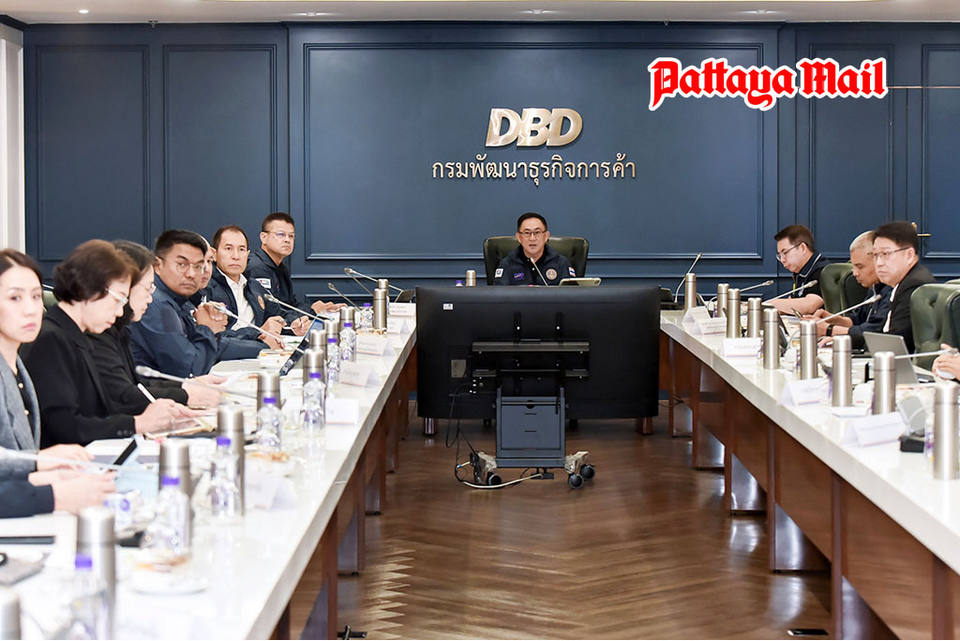
The Department of Business Development (DBD), once primarily a registrar, now acts as a gatekeeper, screening for risk at the point of company registration and beyond. This is supported by the Department of Special Investigation (DSI) and other agencies, all sharing data to build a comprehensive risk profile of companies and shareholders. Key enforcement tools include:
- Cross-referencing corporate registry, tax, and financial data
- Automated risk detection using advanced analytics
- Mandatory e-KYC (electronic Know Your Customer) identity verification
- Verification of actual capital contributions and funding sources
This integrated approach means that structures appearing legitimate on paper but lacking genuine economic substance are now quickly exposed.
From Business Risk to Criminal Liability
The legal consequences for using nominee structures are no longer theoretical. Under the Foreign Business Act, violations can result in:
- Imprisonment of up to three years
- Fines up to THB 1,000,000
- Daily penalties for ongoing violations
- Revocation of company registration
- Criminal records for individuals involved
Moreover, companies and individuals may be placed on regulatory watchlists, with retrospective tax and financial investigations likely to follow.
High-Risk Zones: Where Enforcement Is Focused
Authorities are concentrating their efforts in regions with high levels of foreign investment, including:
- Bangkok
- Phuket
- Chiang Mai
- Chonburi (Pattaya)
- Surat Thani (Samui)
- Krabi
Businesses operating in these areas face heightened scrutiny and should expect proactive investigation rather than random inspection.
Beyond Fines: The Systemic Impact
The fallout from being caught using nominee structures extends far beyond financial penalties. Companies risk:
- Immediate suspension or dissolution
- Disruption or cessation of business operations
- Loss of financial credibility and banking relationships
- Retrospective tax investigations
For expats and investors, this means that a single compliance failure can erase years of business development and investment.
What Should Investors and Expats Do?
In the new regulatory environment, the question is no longer whether a structure has worked in the past, but whether it can withstand rigorous, data-driven scrutiny today. Investors and expats should:
- Review existing company structures for compliance with both the letter and spirit of the law
- Seek professional legal and financial advice on restructuring if nominee arrangements are in place
- Ensure all capital contributions and shareholder relationships are genuine and well-documented
- Prepare for ongoing, not just one-off, regulatory monitoring
The era of 'form over substance' is over in Thailand. For foreign investors and expats, the risks of non-compliance have never been higher—or clearer. Proactive adaptation is now not just advisable, but essential for survival and success in the Thai market.
Source: Pattaya Mail
This article is provided for informational purposes only and does not constitute financial or legal advice. Information sourced from Pattaya Mail may have been edited for clarity. Always verify details with official sources before making any decisions.

