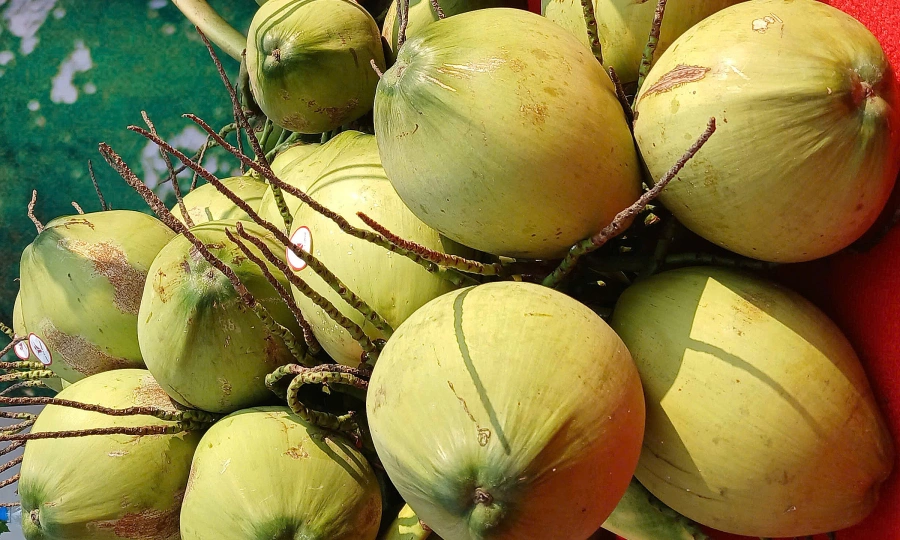
Soaring Coconut Prices in Southeast Asia: Heatwave Fuels Demand and Investment Opportunities
Source: VnExpress
Heatwave Drives Coconut Prices to Record Highs
Across Southeast Asia, fresh coconut prices have surged dramatically, with farm gate rates in Vietnam reaching VND80,000-100,000 (US$3.04-3.80) per dozen. This marks a twofold increase since the beginning of the year, largely attributed to a persistent heatwave that has gripped the region, intensifying demand for coconut water and related products.
Understanding the Demand Surge
The current heatwave has not only raised temperatures but also consumer thirst for natural, hydrating beverages. Coconuts, prized for their refreshing water and nutritional value, have become a staple in local diets and a sought-after commodity in urban centers. The spike in demand is particularly pronounced in cities, where health-conscious consumers and tourists alike are turning to coconut water as a natural alternative to sugary drinks.
Supply Constraints and Price Dynamics
While demand is soaring, supply has struggled to keep pace. Several factors are at play:
- Weather Impact: Prolonged heat and drought conditions have stressed coconut palms, reducing yields in key growing regions.
- Labor Shortages: The agricultural sector continues to face labor shortages, limiting the ability to harvest and process coconuts efficiently.
- Export Pressures: With international buyers seeking Southeast Asian coconuts, local supplies are further constrained, pushing prices higher domestically.
Implications for Investors and Expats
For expats and investors eyeing Southeast Asia's agricultural sector, the coconut price surge presents both risks and opportunities:
- Investment in Agribusiness: Rising prices can boost returns for those invested in coconut farming, processing, and export businesses. However, volatility in weather and supply chains remains a key risk.
- Supply Chain Innovation: There is growing demand for improved irrigation, climate-resilient crop varieties, and efficient logistics to stabilize supply and capitalize on price peaks.
- Consumer Market Trends: The shift toward natural beverages and health foods is likely to persist, supporting long-term demand for coconuts and related products.
Regional Perspective: Thailand and Beyond
While the current price spike is most acute in Vietnam, similar trends are observable in Thailand and neighboring countries. Thailand, a major coconut producer and exporter, has also experienced weather-related crop challenges. Investors should monitor regional developments, as cross-border trade and competition could influence local market dynamics and investment returns.
Strategic Considerations
For those considering entry or expansion in the Southeast Asian coconut sector, key strategies include:
- Diversification: Balancing investments across different crops or regions can help mitigate climate-related risks.
- Value Addition: Processing coconuts into higher-value products (e.g., coconut water, oil, or snacks) can enhance margins and reduce exposure to raw commodity price swings.
- Sustainability: Embracing sustainable farming practices not only appeals to eco-conscious consumers but can also improve long-term resilience against climate shocks.
Conclusion
The doubling of coconut prices amid Southeast Asia's heatwave is a vivid reminder of the sector's vulnerability to climate and market forces. For expats and investors, the current environment offers both lucrative opportunities and significant challenges. Strategic investment, innovation, and a keen eye on regional trends will be essential to navigate this dynamic market.
Source: VnExpress
This article is provided for informational purposes only and does not constitute financial or legal advice. Information sourced from VnExpress may have been edited for clarity. Always verify details with official sources before making any decisions.
Related Articles

Mayon Volcano’s Renewed Activity: Implications for Investors and Expats in the Philippines
Mayon Volcano's ongoing eruptions and ash emissions present both immediate risks and long-term considerations for investors and expatriates in the Philippines, particularly in the Bicol region. This analysis explores the economic, real estate, and infrastructure impacts, as well as potential opportunities arising from the situation.