Risk Management in Thailand: Lessons for Expats and Investors from Outdoor Activity Tragedies
Source: Malay Mail
Understanding the Risks: Outdoor Activities and Safety in Southeast Asia
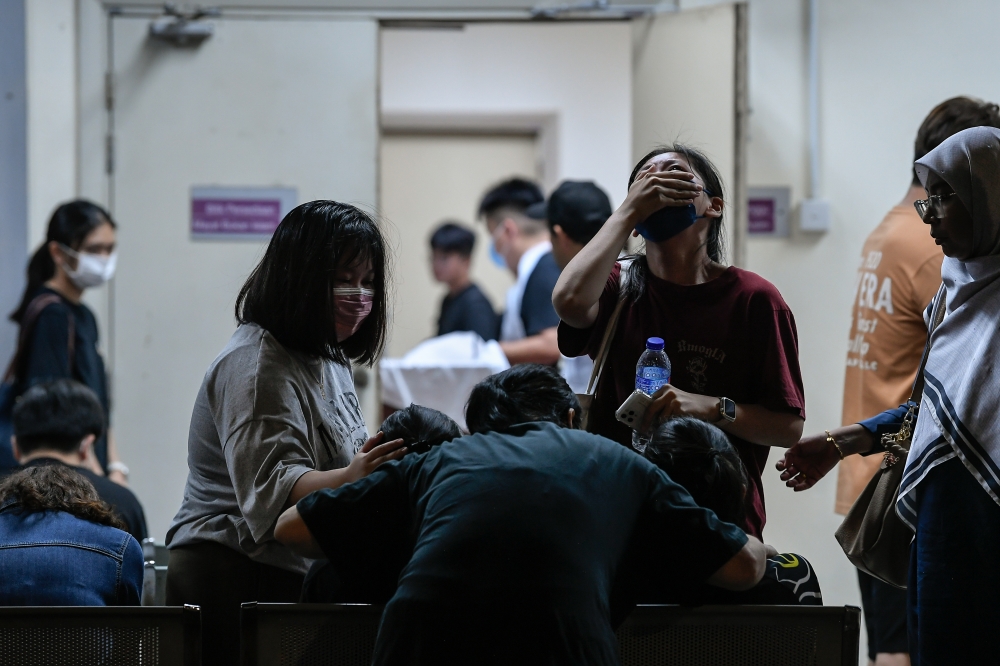
For expats and investors considering relocation to Thailand, the region's natural beauty and vibrant outdoor lifestyle are major attractions. However, recent tragic events in Malaysia, where trainee teachers lost their lives during a kayaking activity, underscore the critical importance of risk management and safety protocols for outdoor pursuits. These incidents offer valuable lessons for those planning to live, invest, or operate businesses in Thailand.
Key Takeaways for Expats and Investors
- Due Diligence on Safety Standards: Whether enrolling children in schools, joining adventure tours, or investing in hospitality ventures, it is essential to assess the safety measures in place. Ask about staff qualifications, emergency response plans, and insurance coverage.
- Legal Accountability: The families of the Malaysian victims are seeking accountability from institutions and organizers. This highlights the growing expectation for legal responsibility in the region. Investors and business owners in Thailand must ensure compliance with local safety regulations to avoid liability.
- Insurance Considerations: Comprehensive insurance—covering health, accidents, and liability—is a must for expats and those investing in outdoor or hospitality sectors. Review policy details to ensure coverage for high-risk activities.
- Cultural and Institutional Differences: Safety practices and regulatory enforcement can vary widely across Southeast Asia. Thailand has made strides in improving standards, but gaps remain, especially in less regulated sectors. Expats should not assume uniformity with their home countries or even neighboring nations.
Implications for Families Relocating to Thailand
For families, especially those with school-age children, the tragedy in Malaysia is a stark reminder to scrutinize extracurricular offerings. International and local schools in Thailand often promote outdoor education, field trips, and adventure camps. Parents should:
- Request detailed information on safety protocols and staff training.
- Inquire about risk assessments and emergency preparedness for each activity.
- Ensure that the institution’s insurance covers all planned activities.
Business and Investment Considerations
Thailand’s tourism and hospitality sectors are popular with foreign investors. However, the liability landscape is evolving. The expectation for accountability—evident in the Malaysian case—means that businesses must:
- Regularly review and update safety procedures in line with international best practices.
- Train staff in first aid, rescue, and crisis management.
- Maintain transparent communication with clients about risks and safety measures.
Conclusion: Proactive Risk Management Is Essential
While Thailand offers unparalleled opportunities for lifestyle and investment, the lessons from neighboring Malaysia are clear: proactive risk management and a commitment to safety are non-negotiable. Expats, families, and investors should prioritize due diligence, demand transparency, and ensure robust insurance and legal protections. By doing so, they can enjoy Thailand’s outdoor wonders with greater peace of mind—and help raise the bar for safety across the region.
Source: Malay Mail
This article is provided for informational purposes only and does not constitute financial or legal advice. Information sourced from Malay Mail may have been edited for clarity. Always verify details with official sources before making any decisions.