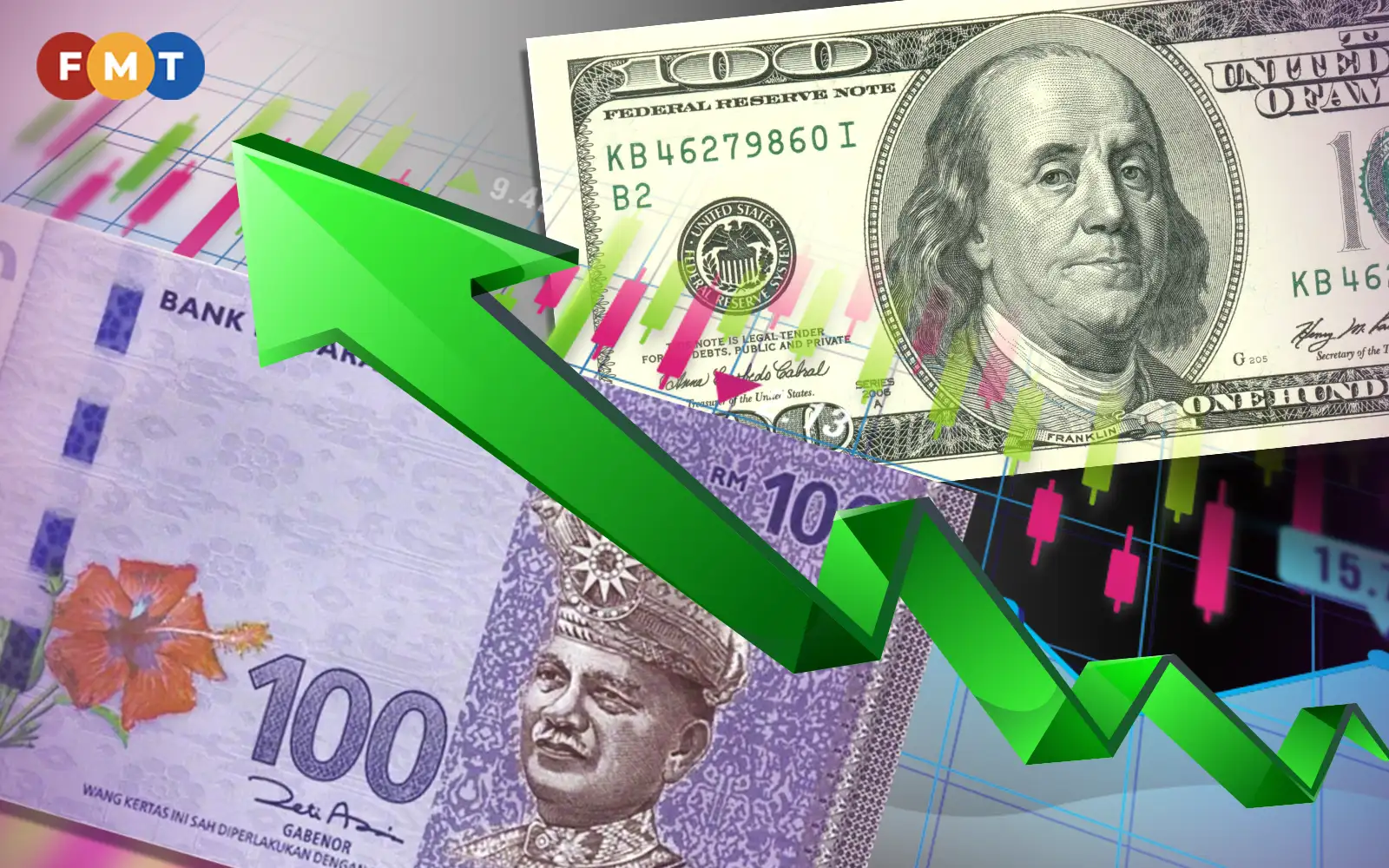
Ringgit Strengthens Ahead of Policy Decision: What Investors Should Watch in 2026
Source: Free Malaysia Today
Ringgit’s Upward Move: A Sign of Resilience or Temporary Blip?
The Malaysian ringgit opened the first trading day of May 2026 on a stronger note against the US dollar, trading at 3.9590/3.9725. This uptick, though modest, comes at a time when investors are closely monitoring both domestic monetary policy and global geopolitical developments. For expats and investors with interests in Malaysia or the broader ASEAN region, understanding the factors behind this movement is crucial for informed decision-making.
Key Drivers: Monetary Policy and Global Tensions
The immediate focus is the upcoming Bank Negara Malaysia (BNM) Monetary Policy Committee (MPC) meeting, where the Overnight Policy Rate (OPR) will be reviewed on May 7. Most analysts anticipate that the OPR will remain unchanged, reflecting a wait-and-see approach amid persistent global uncertainties. The ongoing US–Iran conflict and elevated crude oil prices are adding layers of complexity, keeping market sentiment cautious.
At the same time, the release of the US non-farm payroll (NFP) data later in the week is expected to influence the US Federal Reserve’s rate outlook. This, in turn, will have ripple effects on emerging market currencies, including the ringgit. As a result, currency traders and investors are bracing for potential volatility, even as the ringgit maintains a narrow trading range for now.
Ringgit’s Performance in a Regional Context
While the ringgit has gained ground against the US dollar, its performance against other major and regional currencies has been mixed:
- Japanese yen: The ringgit weakened, reflecting the yen’s relative strength amid risk-off sentiment.
- Euro and British pound: The ringgit traded nearly flat against the euro and slipped against the pound, highlighting selective currency pressures.
- ASEAN peers: The ringgit depreciated against the Singapore dollar and Thai baht, but edged higher versus the Indonesian rupiah and Philippine peso.
This mixed performance underscores the importance of looking beyond headline US dollar moves and considering the broader currency landscape when evaluating investment or relocation decisions in Southeast Asia.
Implications for Expats and Investors
For expats, the ringgit’s relative stability against the US dollar may offer some reassurance regarding remittances and cost-of-living calculations. However, those with multi-currency exposures—such as property, business operations, or investments across ASEAN—should pay close attention to cross-currency dynamics.
Investors, particularly those eyeing Malaysian equities or real assets, should consider the following:
- Interest Rate Outlook: A stable OPR suggests continued support for domestic consumption and investment, but any surprise move could trigger market volatility.
- Geopolitical Risks: Ongoing tensions in the Middle East and their impact on oil prices may influence Malaysia’s trade balance and, by extension, the ringgit.
- US Economic Data: Strong US job numbers could strengthen the dollar, potentially reversing recent ringgit gains.
Strategic Takeaways
While the ringgit’s recent appreciation against the US dollar is encouraging, the outlook remains clouded by external risks and policy uncertainties. Expats and investors should adopt a diversified approach, monitor central bank signals, and be prepared for short-term volatility. For those with long-term interests in Malaysia or the region, staying informed and flexible will be key to navigating the evolving currency landscape in 2026.
Source: Free Malaysia Today
This article is provided for informational purposes only and does not constitute financial or legal advice. Information sourced from Free Malaysia Today may have been edited for clarity. Always verify details with official sources before making any decisions.
Related Articles

Cambodia-Thailand Cross-Border Trade: 2024 Outlook and Implications for Investors
Cambodia and Thailand are intensifying efforts to boost cross-border trade, with new infrastructure and policy initiatives poised to reshape the economic landscape. This analysis explores the latest developments, opportunities, and risks for expats and investors.