Lychee Price Surge: Implications for Investors and Expats in Thailand and Beyond
Source: VnExpress
Lychee Prices Surge as Yields Fall: A Regional Perspective
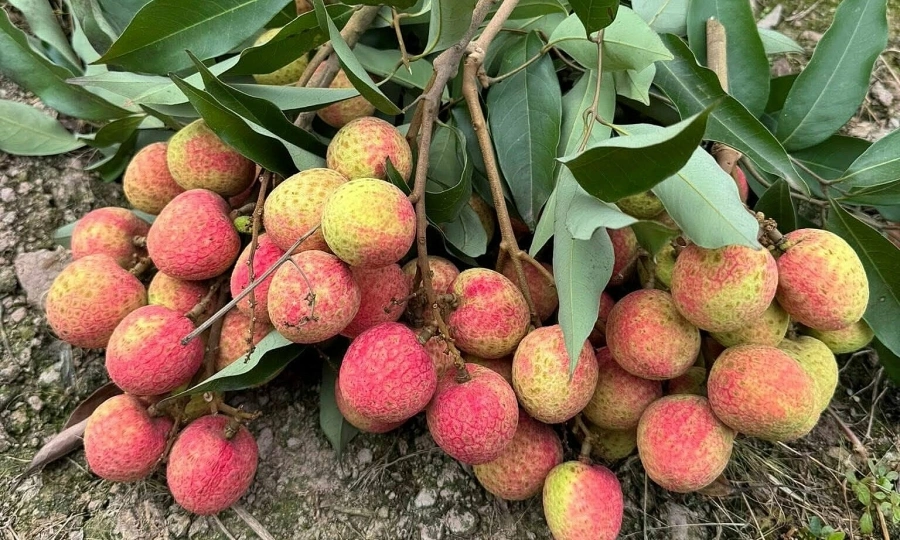
Lychee, a beloved tropical fruit across Southeast Asia, is experiencing a notable price surge in Vietnam, with farm gate prices up 20% compared to last year. The primary driver: a significant drop in output due to adverse weather conditions. For expats, investors, and agribusiness stakeholders in Thailand, these developments in Vietnam—the world’s second-largest lychee producer—offer important insights into regional market dynamics, supply chain risks, and potential opportunities.
Vietnam’s Lychee Shortfall: Causes and Consequences
Vietnam’s lychee harvest has been hit hard by unfavorable weather, leading to a sharp decline in yields. This supply crunch has pushed up prices at the farm gate, benefiting growers but squeezing buyers and processors. The situation underscores the vulnerability of agricultural commodities to climate variability—a risk factor that investors and businesses must increasingly account for in Southeast Asia.
Ripple Effects for Thailand’s Lychee Sector
Thailand, itself a significant lychee producer, is not immune to these regional shifts. While Thai lychee growers may benefit from higher regional prices, the overall market is likely to see increased volatility. For investors considering agribusiness ventures or export-oriented operations, the following factors are worth noting:
- Export Opportunities: With Vietnamese lychee output down, Thai exporters could fill supply gaps in key markets such as China, the Middle East, and Europe.
- Price Competition: Higher prices may boost short-term revenues for Thai farmers, but could also dampen demand if prices rise too quickly for consumers or processors.
- Supply Chain Risks: The weather-induced shortfall in Vietnam is a reminder of the importance of diversification and climate-resilient practices for long-term stability.
Investment Insights: Navigating the Volatility
For investors, the current situation presents both risks and opportunities. On one hand, higher prices can improve margins for producers and exporters. On the other, the volatility highlights the need for robust risk management strategies, such as:
- Investing in Climate-Resilient Agriculture: Technologies and practices that mitigate weather risks—such as improved irrigation, crop insurance, and resilient cultivars—are increasingly valuable.
- Exploring Value-Added Products: Processing lychee into juices, dried fruit, or other products can help smooth out price swings and tap into new markets.
- Regional Diversification: Investors with exposure to both Thai and Vietnamese supply chains may be better positioned to weather local disruptions.
Implications for Expats and the Broader Economy
For expats living in Thailand, the lychee price surge may be felt at local markets and supermarkets. More broadly, the situation is a case study in how regional agricultural trends can impact food prices, trade flows, and investment returns. As Southeast Asia’s economies become more interconnected, developments in one country’s agricultural sector can quickly ripple across borders.
Conclusion: Watching the Regional Fruit Market
The current lychee price surge in Vietnam is more than a local story—it is a signal of broader trends affecting agriculture, trade, and investment in Southeast Asia. For Thailand’s expats, investors, and agribusiness professionals, staying attuned to these shifts is essential for navigating both risks and opportunities in the region’s dynamic fruit markets.
Source: VnExpress
This article is provided for informational purposes only and does not constitute financial or legal advice. Information sourced from VnExpress may have been edited for clarity. Always verify details with official sources before making any decisions.
Related Articles

Cambodia-Thailand Cross-Border Trade: 2024 Outlook and Implications for Investors
Cambodia and Thailand are intensifying efforts to boost cross-border trade, with new infrastructure and policy initiatives poised to reshape the economic landscape. This analysis explores the latest developments, opportunities, and risks for expats and investors.