Pattaya After Songkran: High-Volume, Low-Yield Tourism and the City’s New Economic Reality
Source: Pattaya Mail
Pattaya’s Songkran: A Barometer for Economic Health
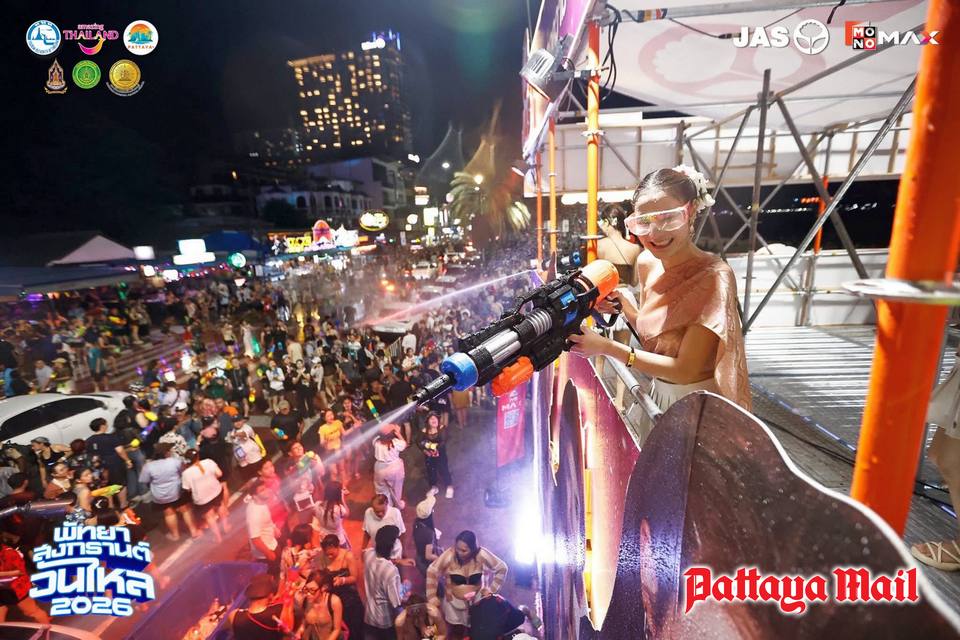
Each April, Pattaya’s Songkran festival transforms the city into a vibrant spectacle of water fights, music, and celebration. For many, it’s a time of joy and tradition. For business owners and investors, however, Songkran acts as a real-time stress test for the city’s economy and infrastructure. The 2026 festival saw record crowds, but the numbers only tell part of the story. Beneath the surface, Pattaya’s post-pandemic tourism landscape is undergoing significant shifts, with implications for expats, investors, and local businesses alike.
Tourist Demographics: Shifting Sands
While Pattaya’s visitor numbers remain robust, the composition and behavior of tourists are evolving:
- Indian Group Travel: The Indian market continues to expand, with large tour groups filling buses and shared accommodations. Their presence is highly visible, but spending patterns are often budget-conscious and group-oriented.
- Russian Long-Stayers: Russian tourists, particularly in Jomtien and Pratumnak, are increasingly choosing extended stays. Their routines resemble temporary relocation more than short-term tourism, impacting local rental markets and service demand.
- Domestic Thai Visitors: Thais have returned with enthusiasm, but their trips are shorter and spending is more restrained—participation over indulgence.
Accommodation Trends: The Rise of Condos and Short-Term Rentals
Perhaps the most notable shift is where visitors choose to stay. Condominiums and short-term rentals have surged in popularity, offering affordability, flexibility, and privacy. This trend is reshaping the city’s hospitality sector:
- Guests can prepare their own meals, reducing restaurant spending.
- Shared costs make group travel more accessible, but lower per-person yield for the local economy.
- Hotels may report high occupancy, but revenue per guest is not keeping pace.
For investors, this signals a redistribution of economic benefit—from traditional hotels to private rental owners and online platforms.
Spending Patterns: Volume Up, Yield Down
Despite the crowds, Pattaya is experiencing what can be described as high-volume, low-yield tourism. Key indicators include:
- Street food vendors and convenience stores remain busy, while high-end restaurants see fewer spontaneous diners.
- Takeaway and self-catering are replacing sit-down dining experiences.
- Tourists are optimizing their spending, influenced by inflation and a desire for value.
This shift means that while foot traffic is high, overall economic activity—especially in premium sectors—may not be keeping pace. For investors, the focus should be on businesses that cater to value-driven, longer-stay visitors rather than relying solely on peak-season windfalls.
Infrastructure Under Pressure
The festival also exposes the city’s infrastructural limits. Traffic congestion, waste management, and—most critically—water supply are all pushed to their limits during Songkran. The city’s ability to withstand these stress tests is crucial, especially as Pattaya transitions from a seasonal to a year-round destination, driven by digital nomads and remote workers.
Implications for Expats and Investors
For those considering Pattaya as a place to live, invest, or do business, several insights emerge:
- Adapt to Changing Tourist Behavior: Investments in short-term rentals, co-living spaces, and value-driven services are likely to see continued demand.
- Focus on Resilience: Businesses and infrastructure that can handle both peak and off-peak periods will be best positioned for long-term success.
- Monitor Yield, Not Just Volume: High visitor numbers are less meaningful if spending per guest declines. Diversifying offerings and targeting longer-stay, higher-value segments is key.
- Advocate for Sustainable Growth: The city’s future depends on proactive planning, not just reacting to growth. Infrastructure investment and sustainable tourism policies will be critical.
Conclusion: Beyond the Festival, A New Reality
As the water dries and the music fades, Pattaya’s true economic health is revealed not by the size of the crowds, but by the quality and distribution of spending, the resilience of infrastructure, and the city’s ability to adapt to new patterns of demand. For expats and investors, understanding these underlying dynamics is essential for navigating Pattaya’s evolving landscape—and for seizing the opportunities that lie beyond the festival season.
Source: Pattaya Mail
This article is provided for informational purposes only and does not constitute financial or legal advice. Information sourced from Pattaya Mail may have been edited for clarity. Always verify details with official sources before making any decisions.

