Oil Prices Surge Amid Trump’s Iran Ultimatum: What Expats and Investors Need to Know
Source: Free Malaysia Today
Oil Prices Spike as Geopolitical Tensions Escalate
Global oil markets have entered a period of heightened volatility following US President Donald Trump’s latest ultimatum to Iran regarding the strategic Strait of Hormuz. As the Middle East conflict drags into its sixth week, Trump’s threat to decimate Iran’s civilian infrastructure unless the Strait is reopened has sent shockwaves through energy markets. West Texas Intermediate (WTI) crude surged past US$115 per barrel—its highest in a month—while Brent crude hovered around US$111.
Why the Strait of Hormuz Matters
The Strait of Hormuz is a critical chokepoint for global energy flows, with roughly 20% of the world’s crude oil and natural gas passing through its narrow waters. Any disruption, even temporary, can have outsized effects on global supply and, by extension, prices. For investors and expats in Thailand, this means higher fuel and transportation costs, and potentially broader inflationary pressures.
Mixed Signals from Asian Equity Markets
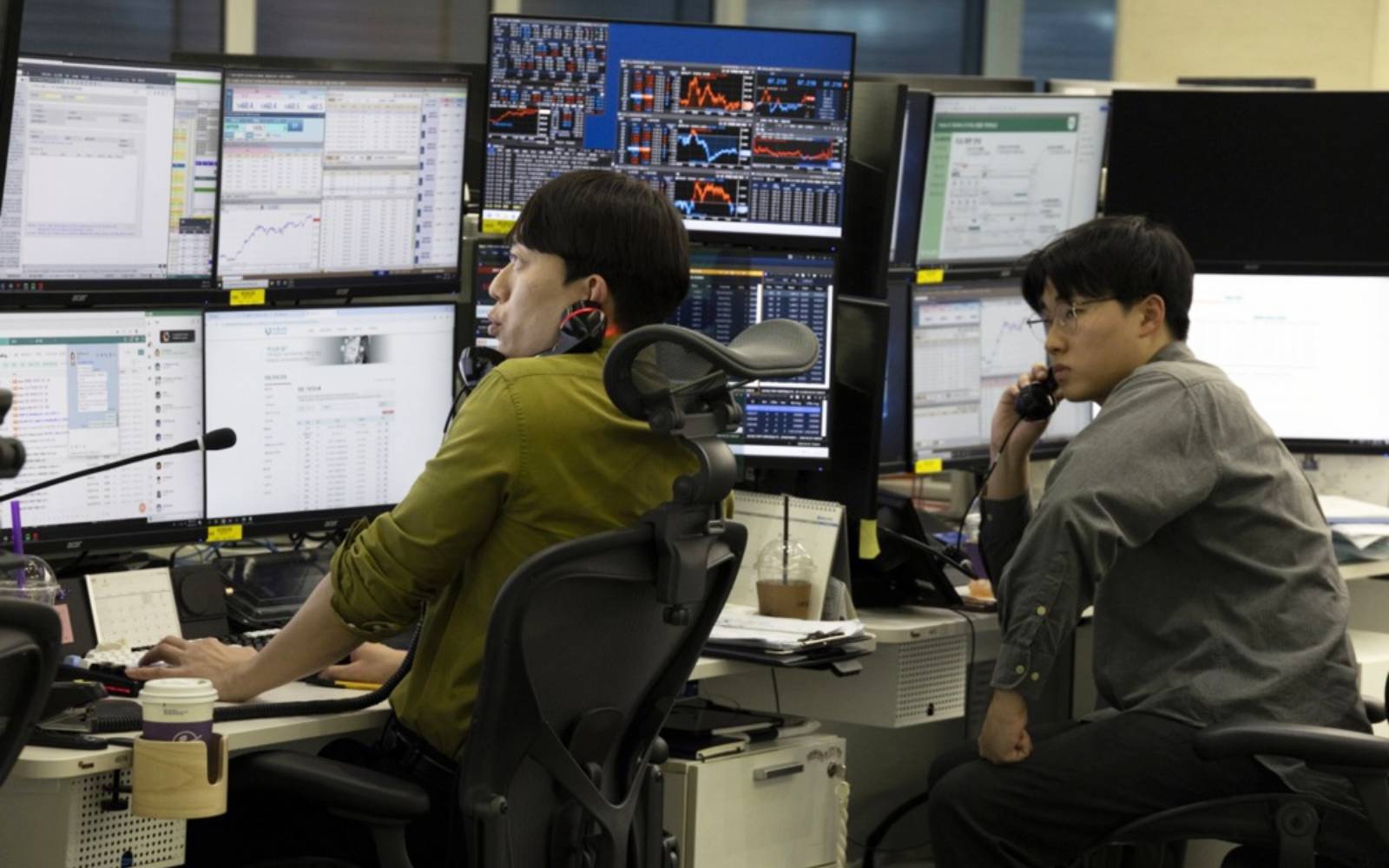
While oil prices rallied, equity markets across Asia delivered a mixed performance. Markets in Tokyo, Singapore, Manila, and Jakarta declined, reflecting investor anxiety over potential supply shocks and the risk of further escalation. In contrast, Shanghai, Sydney, Seoul, Wellington, and Taipei posted gains, buoyed by hopes for diplomatic resolution and positive corporate earnings, such as Samsung’s record-breaking profit announcement.
Implications for Thailand’s Economy and Investors
- Inflationary Pressures: Rising oil prices typically feed into higher transportation and manufacturing costs. Thailand, as a net energy importer, is particularly vulnerable. Expats and investors should monitor local inflation data and be prepared for higher living and operating expenses.
- Currency Volatility: Higher energy import bills can put downward pressure on the Thai baht, especially if the current account balance deteriorates. This could impact the value of expat remittances and investment returns denominated in baht.
- Sectoral Winners and Losers: Energy and commodity-linked stocks may benefit from higher prices, while sectors reliant on fuel—such as airlines, logistics, and tourism—could face margin squeezes. Diversification remains key for investors navigating this environment.
- Policy Responses: Governments across Asia, including Thailand, may introduce targeted subsidies or support measures to cushion the impact on households and businesses. However, these can strain public finances if oil prices remain elevated.
Global Economic Ripple Effects
The broader economic impact is already visible. The Philippines reported a jump in inflation to 4.1% in March, its highest in nearly two years, largely attributed to surging energy costs. In the US, growth in services activity has slowed as businesses brace for higher input costs and potential supply chain disruptions. These trends could spill over into Southeast Asia, affecting trade, investment, and consumer sentiment.
Investment Strategies in Uncertain Times
- Monitor Geopolitical Developments: The situation in the Middle East remains fluid. Investors should stay alert to diplomatic signals and be ready to adjust portfolios if the conflict escalates or de-escalates.
- Hedge Against Inflation: Consider assets that perform well during inflationary periods, such as commodities, real estate, or inflation-linked bonds.
- Review Exposure to Vulnerable Sectors: Assess holdings in industries sensitive to energy prices and global supply chain disruptions.
- Stay Diversified: Market volatility is likely to persist. A diversified portfolio can help mitigate risks associated with sudden market swings.
Conclusion
For expats and investors in Thailand, the current rally in oil prices underscores the interconnectedness of geopolitics and financial markets. While the immediate impact is higher costs and increased volatility, the situation also presents opportunities for those able to navigate the risks. Staying informed and agile will be crucial as the global economy adjusts to the latest developments in the Middle East.
Source: Free Malaysia Today
This article is provided for informational purposes only and does not constitute financial or legal advice. Information sourced from Free Malaysia Today may have been edited for clarity. Always verify details with official sources before making any decisions.

