Malaysia Tightens Border Fuel Sales Monitoring: Implications for Expats and Investors
Source: Malay Mail
Malaysia's Crackdown on Border Fuel Smuggling: What Expats and Investors Should Know
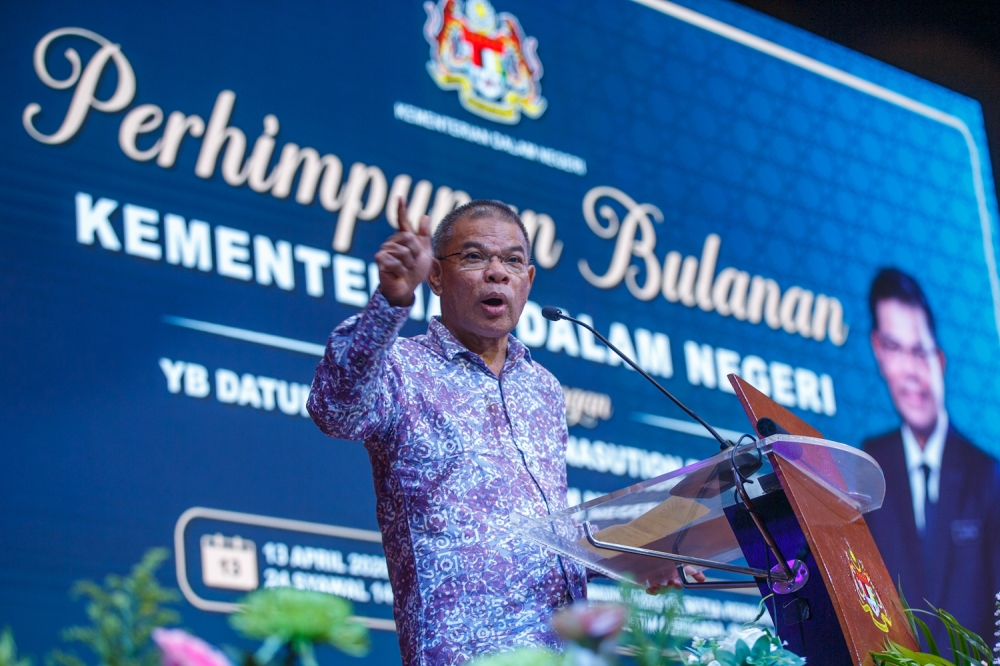
Malaysia has recently intensified its efforts to combat fuel smuggling at border areas, directing police to leverage data analytics to detect unusual sales patterns at petrol stations. This move, announced by Home Minister Datuk Seri Saifuddin Nasution Ismail, signals a shift towards more sophisticated enforcement and has several implications for expatriates, cross-border workers, and foreign investors operating in Malaysia and neighboring Thailand.
Why the Focus on Border Fuel Sales?
Malaysia subsidizes fuel prices for local consumption, making petrol and diesel significantly cheaper than in neighboring countries, particularly Thailand. This price differential has long incentivized smuggling, with syndicates and individuals transporting subsidized fuel across the border for profit. The government estimates that such activities cost the state millions in lost subsidies and tax revenue each year.
Data-Driven Enforcement: A New Era
The Home Ministry's directive to police officers stationed at border petrol stations is clear: use transaction data and sales records to identify irregularities. This could include sudden spikes in sales volume, repeated large purchases, or patterns inconsistent with local demand. By harnessing digital records, authorities aim to move beyond traditional spot checks and towards proactive, intelligence-led enforcement.
Implications for Expats and Cross-Border Commuters
- Increased Scrutiny: Foreign-registered vehicles, especially those crossing regularly from Thailand, may face more frequent checks or be subject to stricter purchase limits at border petrol stations.
- Documentation Requirements: Expats living near the border or those with business in both countries should be prepared to show proof of residency or work permits if questioned during fuel purchases.
- Potential for Delays: Enhanced monitoring could lead to longer wait times at petrol stations and border crossings, affecting daily commutes and logistics for businesses.
Investor Considerations: Risks and Opportunities
- Compliance Costs: Businesses operating logistics or transportation fleets in border regions may need to invest in compliance training and systems to ensure adherence to new monitoring protocols.
- Market Shifts: Tighter controls could reduce the supply of smuggled fuel in Thailand, potentially increasing local fuel prices and affecting operating costs for Thai-based businesses reliant on cheaper Malaysian fuel.
- Investment in Technology: The government's emphasis on data analytics may spur opportunities for tech firms specializing in transaction monitoring, surveillance, and border security solutions.
Regional Impact: Cross-Border Relations and Economic Flows
Malaysia's crackdown is likely to be welcomed by Thai authorities, who have also struggled with fuel smuggling undermining local markets. However, stricter enforcement could temporarily disrupt informal economic activities that many border communities rely on. For expats and investors, understanding these dynamics is crucial for risk assessment and strategic planning in the region.
Conclusion: Stay Informed and Prepared
As Malaysia modernizes its approach to border fuel smuggling, expats and investors should monitor regulatory developments closely. Ensuring compliance, adapting to new procedures, and anticipating shifts in cross-border economic activity will be key to minimizing disruptions and capitalizing on emerging opportunities in the Malaysia-Thailand border region.
Source: Malay Mail
This article is provided for informational purposes only and does not constitute financial or legal advice. Information sourced from Malay Mail may have been edited for clarity. Always verify details with official sources before making any decisions.