Jumbo Seafood’s Singapore Flagship Closure: Lessons for Thailand’s F&B Investors
Source: VnExpress
Jumbo Seafood’s Flagship Closure: A Wake-Up Call for F&B Investors in Thailand
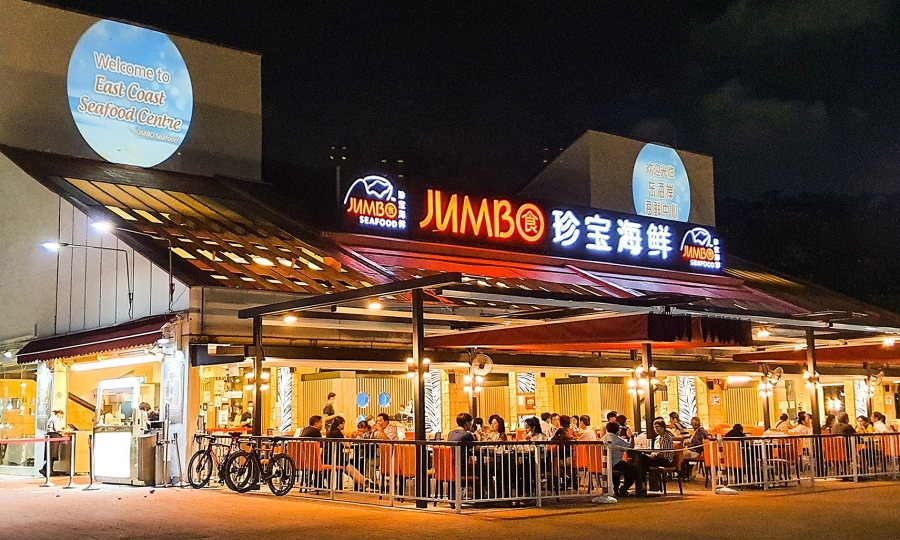
Jumbo Seafood, a household name in Singapore’s culinary landscape, recently announced the impending closure of its original and flagship outlet at East Coast Seafood Centre after 39 years of operation. For expats and investors with interests in Thailand’s food and beverage (F&B) sector, this development offers valuable lessons and signals about the evolving dynamics of the regional restaurant industry.
Why Did Jumbo Seafood Close Its Flagship?
While the company cited the end of its lease as the primary reason, the closure of such an iconic venue hints at deeper trends affecting legacy F&B brands across Southeast Asia. Rising operational costs, shifting consumer preferences, and the growing competition from both local and international players are reshaping the market. Even established brands are not immune to these pressures, especially in prime locations where rents and overheads can be prohibitive.
Implications for Thailand’s F&B Landscape
Thailand’s F&B sector shares many similarities with Singapore’s: a vibrant dining culture, a mix of local and international chains, and a strong reliance on both local and tourist clientele. The Jumbo Seafood case underscores several key points for investors and expats considering ventures in Thailand:
- Location Is Not Everything: Even prime, long-standing outlets can become unsustainable if costs outpace revenue growth. Investors should carefully assess lease terms and be prepared for renegotiations or relocations.
- Brand Legacy vs. Market Realities: A strong brand can attract customers, but it does not guarantee immunity from market shifts. Continuous innovation and adaptation are essential to stay relevant.
- Operational Efficiency: Rising labor and ingredient costs are a regional trend. Streamlining operations and leveraging technology can help maintain margins.
- Diversification and Expansion: Jumbo Seafood has already expanded into other markets, including Thailand and China. Diversifying geographically and conceptually can mitigate risks associated with single-location dependencies.
Opportunities and Risks for Expats and Investors
For those looking to invest or operate in Thailand’s F&B sector, the Jumbo Seafood story is both a cautionary tale and a source of opportunity. Thailand’s lower operating costs compared to Singapore can be attractive, but the competitive landscape is intensifying, especially in tourist hotspots like Bangkok, Phuket, and Chiang Mai.
Expats and investors should:
- Monitor lease agreements and maintain flexibility in location strategy.
- Invest in brand-building but remain agile to pivot concepts as market tastes evolve.
- Adopt digital solutions for reservations, delivery, and customer engagement to enhance efficiency and reach.
- Explore partnerships or franchising models to spread risk and capitalize on local expertise.
Conclusion: Adaptation Is Key
The closure of Jumbo Seafood’s flagship outlet is a reminder that even the most established brands must adapt to survive. For expats and investors in Thailand, the lesson is clear: success in the F&B sector depends on a keen understanding of local market dynamics, operational agility, and a willingness to innovate. By learning from regional developments, stakeholders can better position themselves for sustainable growth in Thailand’s ever-evolving culinary scene.
Source: VnExpress
This article is provided for informational purposes only and does not constitute financial or legal advice. Information sourced from VnExpress may have been edited for clarity. Always verify details with official sources before making any decisions.