Incheon Airport Security Lapse: Lessons and Implications for Thailand’s Aviation Sector
Source: VnExpress
Security Breach at Incheon: What Happened?
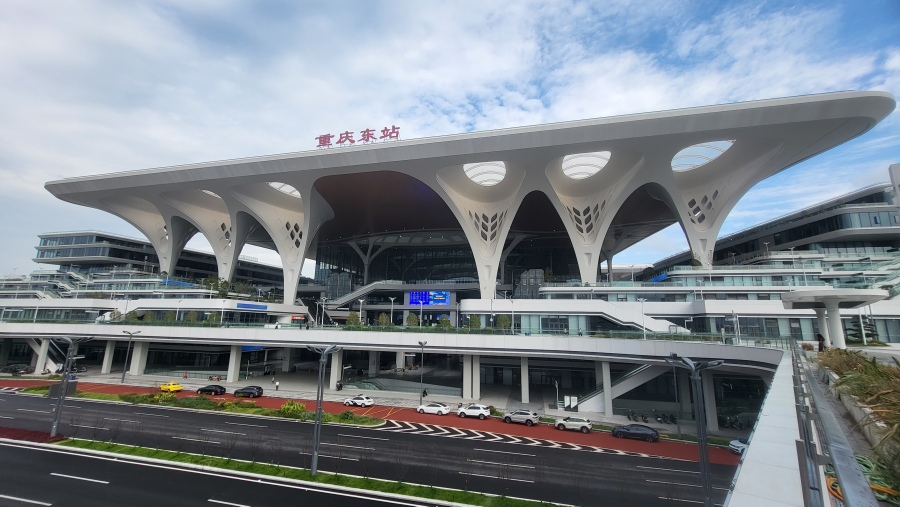
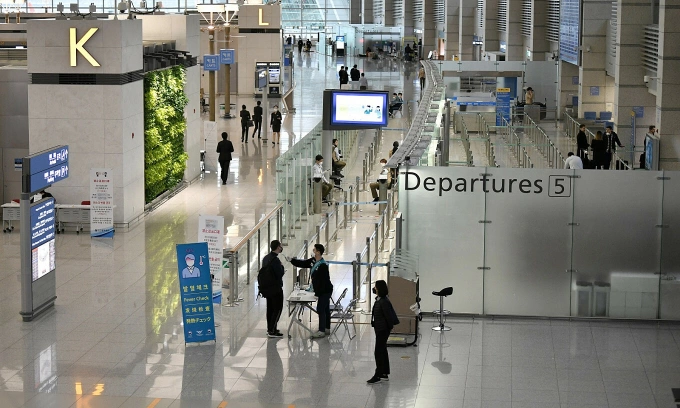
In a recent incident that has drawn international attention, South Korea’s Incheon International Airport—ranked as the world’s second-best airport—experienced a significant security lapse. A passenger managed to board an international flight with a small kitchen knife that was not detected during the security screening process. The breach has prompted an official investigation by South Korean authorities, raising concerns about the effectiveness of current airport security protocols.
Why This Matters for Thailand
Thailand, as a major aviation hub in Southeast Asia, is home to several high-traffic airports, including Suvarnabhumi and Don Mueang in Bangkok, as well as Phuket and Chiang Mai. These airports serve millions of international travelers, including a growing community of expats and foreign investors. The incident at Incheon serves as a cautionary tale, highlighting the need for constant vigilance and regular updates to security measures.
Key Takeaways for Expats and Investors
- Reputation and Confidence: Airport security is not just about passenger safety—it also underpins the reputation of a country’s tourism and investment climate. A single lapse can undermine confidence among travelers and business stakeholders.
- Operational Risks: Security breaches can lead to operational disruptions, costly investigations, and even temporary shutdowns. For investors in the aviation, hospitality, or logistics sectors, such risks can affect profitability and long-term planning.
- Regulatory Scrutiny: Incidents like this often prompt regulatory reviews and could lead to stricter compliance requirements for airports and airlines operating in Thailand. This may result in increased operational costs or new investment opportunities in security technology.
Thailand’s Security Standards: Are They Enough?
Thailand’s major airports have invested heavily in security infrastructure, including advanced scanning equipment and staff training. However, the Incheon incident underscores that even world-class facilities are not immune to human error or technological limitations. For Thailand, this is a timely reminder to:
- Conduct regular audits of security protocols
- Invest in ongoing staff training and simulation exercises
- Adopt new technologies such as AI-powered screening and biometric verification
Opportunities for Investors
The evolving landscape of airport security presents opportunities for investors, particularly in sectors such as security technology, consulting, and training services. As airports in Thailand and across Asia seek to reassure travelers and regulators, demand for innovative solutions is likely to grow.
For Expats and Frequent Travelers: What to Expect
In the wake of such incidents, travelers can expect heightened security measures, including more thorough screenings and possible delays. While this may be inconvenient, it ultimately contributes to safer travel environments. Expats living in Thailand should stay informed about airport advisories and plan accordingly.
Conclusion
The security lapse at Incheon International Airport is a wake-up call for aviation hubs worldwide, including those in Thailand. For expats, investors, and frequent travelers, it highlights the importance of robust security systems—not only for personal safety but also for the continued growth and reputation of Thailand as a premier destination for tourism and business.
Source: VnExpress
This article is provided for informational purposes only and does not constitute financial or legal advice. Information sourced from VnExpress may have been edited for clarity. Always verify details with official sources before making any decisions.