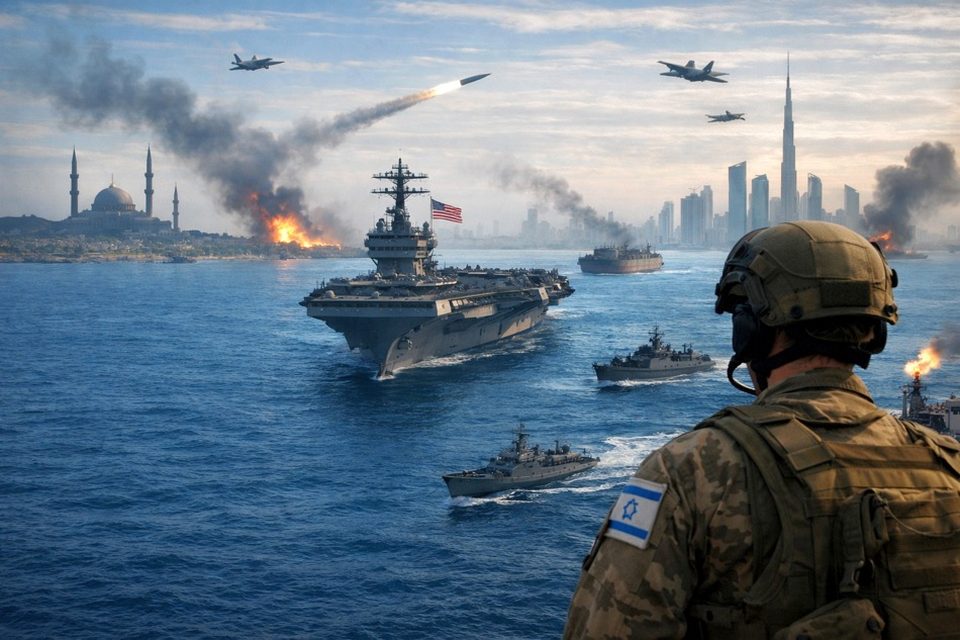
The Gulf Crisis: What Asia’s Investors and Expats Need to Know
Source: Pattaya Mail
The Gulf Crisis: Fast-Moving Risks with Global Reach
The current crisis in the Gulf is unfolding at unprecedented speed, with consequences that extend far beyond the Middle East. For expats, investors, and business leaders in Thailand and across Asia, understanding the evolving dynamics is essential for navigating the months ahead. The region’s interconnectedness with global energy, aviation, and tourism markets means that even distant conflicts can have immediate and significant impacts.
Key Forces at Play: Strategic Moves and Global Uncertainty
At the heart of the crisis are familiar actors: Iran, Israel, and the United States. What sets this episode apart is the rapid escalation and the narrowing window for diplomatic intervention. Military actions and counter-actions are not just about immediate tactical gains—they are also strategic signals, designed to influence both allies and adversaries.
For Israel, decisive action aims to draw stronger U.S. involvement. Washington, meanwhile, must balance showing support with avoiding a broader conflict. Iran’s approach is more measured, seeking to maintain flexibility and apply pressure across multiple fronts. The result is a tense standoff marked by ambiguity, where misinterpretation could trigger unintended escalation.
Ripple Effects: Energy, Aviation, and Tourism in Asia
While the Gulf may seem distant, its influence is felt quickly in Asia’s boardrooms and travel hubs. Three sectors are particularly exposed:
- Energy Markets: The Strait of Hormuz remains a critical chokepoint for global oil supply. Even the threat of disruption sends oil prices higher, feeding inflation and increasing costs for businesses and consumers in Thailand and across Asia.
- Aviation: Airspace closures and rerouted flights over the Middle East are already increasing travel times and operational costs for airlines. This translates into higher airfares and logistical headaches for both business and leisure travelers.
- Tourism: Perceptions of instability travel fast. Rising insurance costs, shifting travel advisories, and changes in airline capacity can quickly dampen demand—not just for the Gulf, but for long-haul travel across the region. Destinations perceived as safe may see a boost, while others could face sudden declines.
Market Reactions: Volatility and Opportunity
Financial markets are responding in real time. Energy stocks are strengthening, while broader indices remain volatile as investors reassess risk. For those with exposure to tourism, aviation, or energy, agility is key. Monitoring developments and being prepared to adjust strategies will be crucial as the situation evolves.
Scenarios: What Comes Next?
The trajectory of the crisis remains uncertain, but three broad scenarios are possible:
- Containment: Diplomatic efforts succeed in stabilizing the situation. This is the preferred outcome for markets and travel, but requires sustained back-channel negotiations.
- Controlled Escalation: Limited strikes and ongoing tension keep energy prices high and confidence low, prolonging uncertainty for investors and travelers.
- Expansion: A miscalculation draws in additional actors, with severe consequences for global trade, energy, and aviation. This is the scenario markets fear most.
Currently, the crisis sits between containment and controlled escalation. The greatest risk may not be deliberate action, but a misread signal or unintended error in a high-pressure environment.
Implications for Thailand and Asia
For Thailand’s expats, investors, and tourism operators, the lesson is clear: agility and vigilance are essential. Higher fuel costs and volatile markets may persist, impacting everything from airline ticket prices to the cost of imported goods. Tourism businesses should prepare for shifting demand patterns and maintain clear communication with travelers.
For investors, the crisis underscores the importance of diversification and real-time risk assessment. Watching oil price trends, airline route changes, and diplomatic signals—not just official statements—will provide early warnings of further disruption.
Conclusion: Navigating a Fragmented World
The Gulf crisis is a stark reminder that local conflicts can have global consequences, especially in a world as interconnected as ours. For those living and investing in Asia, staying informed and ready to adapt will be the best defense against the unpredictable ripple effects now unfolding.
Source: Pattaya Mail
This article is provided for informational purposes only and does not constitute financial or legal advice. Information sourced from Pattaya Mail may have been edited for clarity. Always verify details with official sources before making any decisions.

