Global Power Shifts: What the New World Order Means for Investors in Thailand and Asia
Source: Pattaya Mail
The End of Predictability: A New Era for Global Power
Recent geopolitical developments signal a profound transformation in how global power is exercised. For decades, international investors and expats in Thailand and across Asia have benefited from a relatively stable, rules-based order. Today, that predictability is giving way to a world defined by rapid disruption, shifting alliances, and hard national interests. Understanding these changes is crucial for anyone with a stake in the region’s economic future.
From Multilateralism to Transactionalism
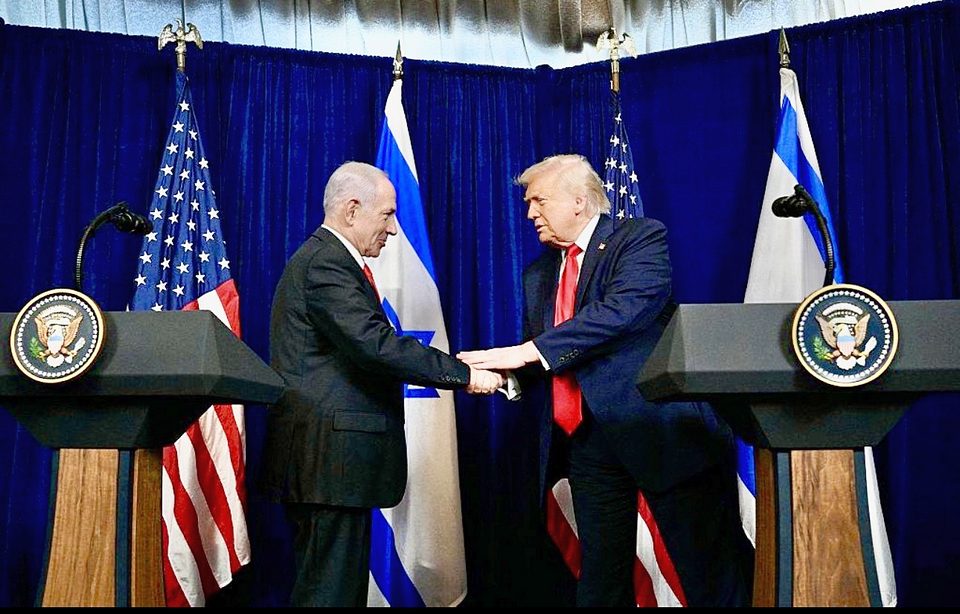
Under recent US leadership, particularly during Donald Trump’s tenure, the United States has accelerated its shift away from traditional multilateral diplomacy. Decisions are now made more unilaterally and with less consultation among allies. This approach has been starkly illustrated by the US response to the recent Iran-Israel conflict, where swift military action was prioritized over coalition-building.
For investors, this means that global crises may escalate or resolve more quickly, but with less predictability. The old playbook—where alliances acted as shock absorbers for global risk—no longer applies in the same way. Volatility in energy markets, for example, can spike suddenly and recede just as fast, impacting everything from airline costs to manufacturing supply chains in Thailand.
Europe’s Recalibration: Stability Over Escalation
Europe’s response to these shifts has been nuanced. France, under President Macron, has chosen to avoid automatic involvement in US-led conflicts, signaling a desire for diplomatic flexibility and stability. The UK, while remaining closely aligned with the US, has also shown caution, focusing on defense and intelligence rather than offensive action.
- For expats and investors: Europe’s recalibration means that EU-Asia trade and investment flows may become less susceptible to US-driven shocks, but more dependent on Europe’s own risk assessments and diplomatic strategies.
- Travel and tourism: European caution could translate into more stable visitor flows to Thailand, as travelers seek destinations perceived as insulated from geopolitical flashpoints.
The Rise of Middle Powers: Diplomacy and Balance
Perhaps the most significant development is the emergence of middle powers—countries like Canada and several in Asia and Europe—that are asserting independent, balanced approaches. These nations are not seeking to dominate, but to stabilize. Their influence is rooted in legitimacy and credibility rather than military might.
- Economic implications: Middle power diplomacy can help de-escalate conflicts and restore confidence in global markets, benefiting trade-dependent economies like Thailand.
- Investment climate: As middle powers gain influence, investors may find new opportunities in sectors tied to international cooperation—such as logistics, education, and sustainable tourism.
Strategic Paradoxes: Military Gains vs. Economic Resilience
The Iran-Israel conflict highlights a paradox: tactical military successes do not always translate into strategic victories. Iran, despite suffering losses, retains the ability to disrupt global energy flows, particularly through the Strait of Hormuz. This ongoing resilience underscores the risks facing global supply chains and energy security.
For Thailand and the broader ASEAN region, this means that while direct conflict may be distant, the economic ripple effects—especially in energy prices and investor sentiment—are very real. Diversification of energy sources and supply chains is becoming not just prudent, but essential.
Asia’s Opportunity Amid Disruption
While the rebalancing of global power introduces new uncertainties, it also creates opportunities for Asia. As traditional alliances fragment, ASEAN and other regional blocs can assert greater autonomy in shaping economic and diplomatic outcomes. Thailand, with its strategic location and diversified economy, is well-positioned to benefit from increased intra-Asian trade and investment.
- Tourism: As travelers seek stability, Thailand’s reputation as a safe, welcoming destination could see renewed growth.
- Investment: Sectors that support resilience—such as renewable energy, logistics, and digital infrastructure—are likely to attract increased attention from both regional and global investors.
Conclusion: Navigating the New Normal
The global order is no longer defined by superpower control, but by disruption and recalibration. For expats and investors in Thailand, this means adapting to a world where agility, risk management, and regional partnerships are more important than ever. By understanding these structural shifts, stakeholders can position themselves to thrive amid uncertainty—and seize the opportunities that come with a more multipolar, dynamic world.
Source: Pattaya Mail
This article is provided for informational purposes only and does not constitute financial or legal advice. Information sourced from Pattaya Mail may have been edited for clarity. Always verify details with official sources before making any decisions.

