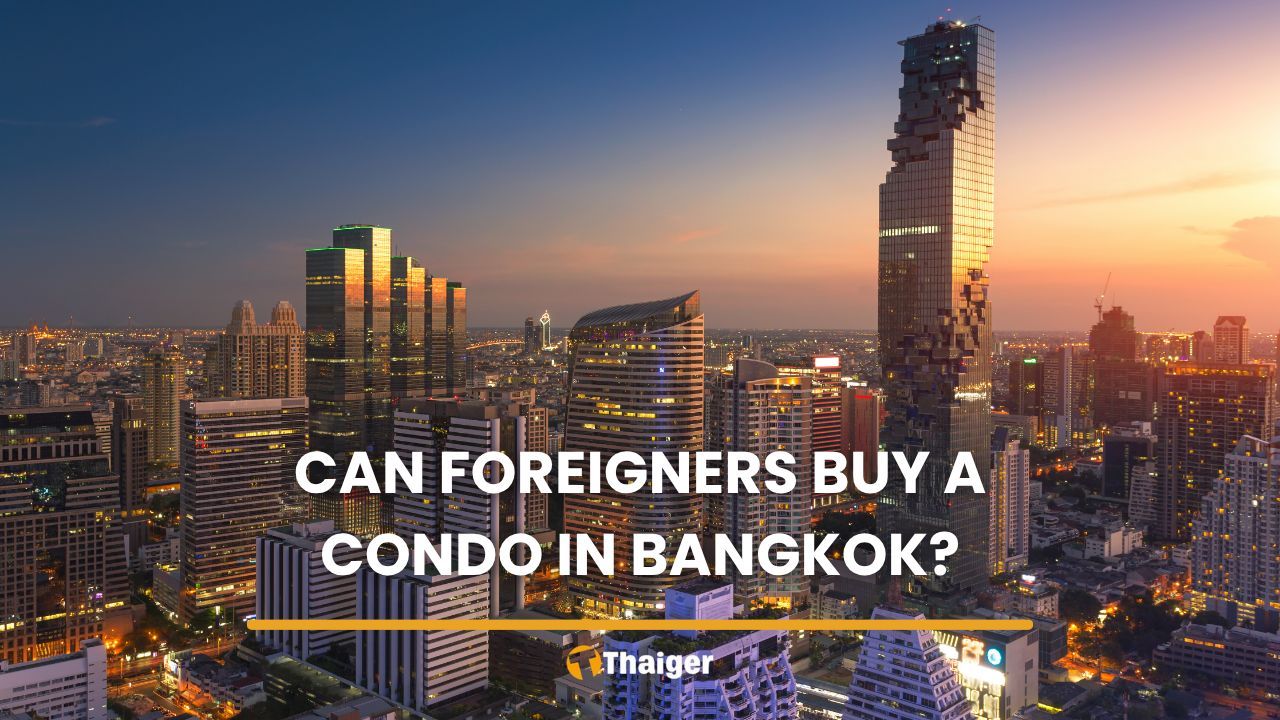
Can Foreigners Buy a Condo in Bangkok? A Practical Guide for Expats and Investors
Source: The Thaiger
Understanding Foreign Ownership of Condos in Bangkok
For many expats and international investors, the question of property ownership in Thailand is a crucial one. While foreigners are generally restricted from owning land, the situation is markedly different when it comes to condominiums. Thai law allows foreign nationals to own condo units outright, offering a rare opportunity for secure property investment in Southeast Asia’s second-largest economy.
The Legal Framework: What Foreign Buyers Need to Know
Under the Condominium Act of 1979, foreigners can hold a freehold title to condo units in Thailand. This means you own your unit with the same rights as a Thai citizen, including the ability to sell, transfer, or bequeath the property. However, there are two main legal conditions to be aware of:
- Foreign Quota: In any given condominium building, foreigners can collectively own up to 49% of the total sellable floor area. The remaining 51% must be owned by Thai nationals. This quota is strictly enforced, so availability in popular buildings can be limited.
- Source of Funds: The purchase funds must be remitted into Thailand from overseas in foreign currency. The receiving bank will issue a Foreign Exchange Transaction (FET) form (also known as Thor.Tor.3), which is required for the title transfer at the Land Department.
It is highly recommended to engage a reputable property lawyer to ensure all documentation and procedures are handled correctly, especially regarding the FET form, which is essential for both purchase and future resale.
Key Districts: Where Foreign Buyers Are Investing
Bangkok’s property market is vast, but three districts consistently attract the lion’s share of foreign interest: Silom, Sathorn, and Sukhumvit. Each offers distinct advantages for different lifestyles and investment strategies.
- Silom & Sathorn: These are Bangkok’s primary business hubs, home to multinational headquarters, embassies, and financial institutions. Condos here appeal to executives and diplomats seeking proximity to work and international schools. Limited new development and a stable tenant base have helped maintain property values and rental yields.
- Sukhumvit: Stretching from Nana to Thong Lo, Sukhumvit is popular with expats for its connectivity (BTS Skytrain), international amenities, and vibrant lifestyle. The area boasts high-end dining, international supermarkets, and top-tier hospitals and schools, making it ideal for families. Sukhumvit condos often offer better value compared to central business districts, while still delivering strong rental demand and resale potential.
Investment Perspective: Rental Yields and Market Dynamics
Gross rental yields in Bangkok’s prime districts typically range from 4.0% to 5.5% per annum. While these figures may not rival some emerging markets, the stability and quality of the tenant pool—often multinational executives and diplomats—add significant appeal. Demand for premium condos remains robust, especially in buildings with high occupancy rates and strong management.
With foreign direct investment in Thailand surging in recent years, the influx of international professionals continues to underpin demand in these neighborhoods. For investors, this translates into lower vacancy risk and more predictable returns.
Practical Steps for Foreign Buyers
- Check the Foreign Quota: Confirm with the building’s management or your agent that the foreign ownership quota has not been filled.
- Transfer Funds Correctly: Ensure your purchase funds are sent from overseas and obtain the FET form from your bank.
- Engage Professional Advice: Work with a qualified property lawyer and a reputable real estate agent familiar with foreign transactions.
- Consider Long-Term Residency: While not required for purchase, Thailand’s Long-Term Resident (LTR) Visa can offer additional benefits for those planning to stay, including a 10-year permit and potential tax advantages.
Conclusion: A Viable Pathway for Expats and Investors
Bangkok’s condominium market remains one of the most accessible avenues for foreign property ownership in Asia. By understanding the legal requirements, focusing on high-demand districts, and following proper procedures, expats and investors can secure a valuable asset and a comfortable home in Thailand’s dynamic capital.
Source: The Thaiger
This article is provided for informational purposes only and does not constitute financial or legal advice. Information sourced from The Thaiger may have been edited for clarity. Always verify details with official sources before making any decisions.