Fire Safety in Thailand: What Expats and Investors Need to Know About Housing Risks
Source: Malay Mail
Understanding Fire Risks in Southeast Asian Housing
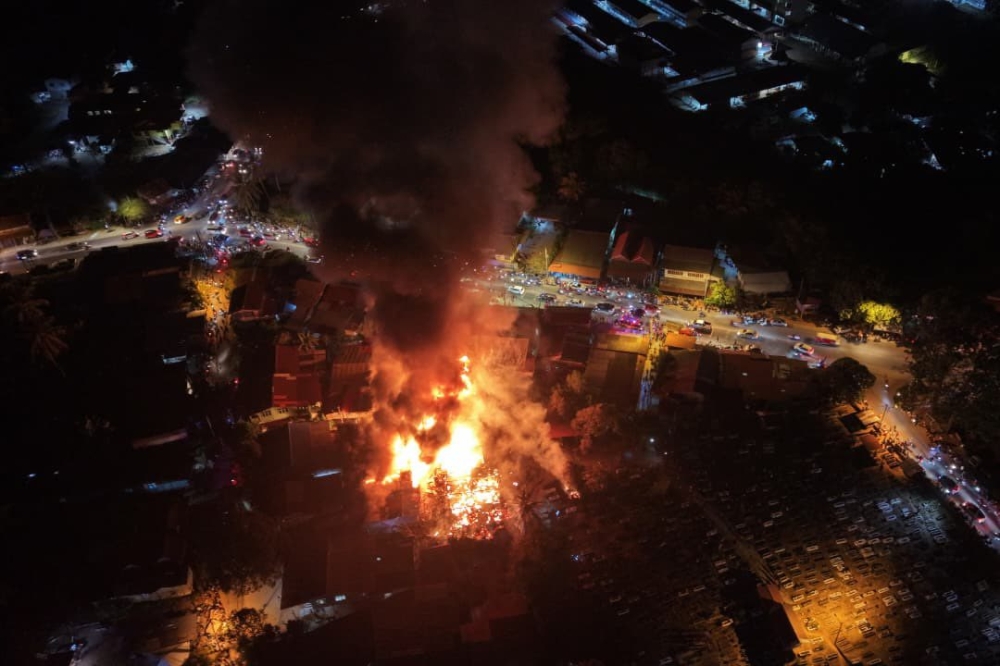
For expats and investors eyeing Thailand’s vibrant real estate market, the recent fire in Kota Bharu, Malaysia—where four wooden houses and several vehicles were destroyed—serves as a timely reminder of the unique fire safety challenges in the region. While the incident occurred across the border, the parallels with Thai housing, especially in rural and semi-urban areas, are striking and warrant careful consideration.
Wooden Homes: Tradition Meets Vulnerability
Traditional wooden houses, common throughout Thailand and neighboring countries, offer charm, affordability, and cultural authenticity. However, they are inherently more susceptible to fire than modern concrete structures. Factors contributing to this vulnerability include:
- Combustible Materials: Timber construction ignites and spreads fire rapidly.
- Dense Clustering: Houses built close together can allow flames to leap from one structure to another.
- Limited Firebreaks: Narrow lanes and minimal spacing hinder emergency access and containment.
Implications for Expats and Investors
For those considering relocation or property investment in Thailand, understanding fire risk is crucial. Here are key points to weigh:
- Insurance Availability: Fire insurance may be harder to obtain or more expensive for wooden homes. Investors should factor this into cost calculations.
- Resale Value: Properties with higher fire risk may face lower demand or slower appreciation, especially as urbanization brings stricter safety codes.
- Tenant Safety: Landlords have a duty of care to tenants. Ensuring basic fire safety—such as smoke detectors, extinguishers, and clear escape routes—can mitigate liability and protect lives.
Modernization and Regulatory Trends
Thailand’s urban centers are seeing a shift toward concrete and steel construction, driven by stricter building codes and a growing awareness of disaster resilience. However, in rural or peri-urban areas, wooden homes remain prevalent. Investors should monitor local regulations, as authorities may introduce new requirements for fire prevention, retrofitting, or even phase-outs of high-risk structures.
Proactive Steps for Safety and Value
Whether purchasing for personal use or rental income, expats and investors can take proactive steps to reduce fire risk:
- Install smoke alarms and fire extinguishers in all properties.
- Educate tenants and staff on emergency procedures.
- Consider upgrades such as fire-retardant treatments or partial renovations using less flammable materials.
- Work with reputable local contractors who understand both traditional and modern safety standards.
Conclusion: Balancing Heritage and Safety
The Kota Bharu incident is a sobering illustration of the risks associated with traditional housing in Southeast Asia. For expats and investors in Thailand, due diligence on fire safety is not just prudent—it’s essential for protecting both people and property assets. As the market evolves, those who prioritize safety alongside cultural and financial considerations will be best positioned for long-term success.
Source: Malay Mail
This article is provided for informational purposes only and does not constitute financial or legal advice. Information sourced from Malay Mail may have been edited for clarity. Always verify details with official sources before making any decisions.