
Elderly Safety Risks in Thailand’s Rural Areas: Implications for Expats and Investors
Source: Inquirer
Rural Safety and Healthcare: A Growing Concern for Thailand’s Aging Population
The unfortunate drowning of a 63-year-old woman in Quezon, Philippines, after an epileptic seizure underscores a critical issue facing many Southeast Asian countries, including Thailand: the vulnerability of elderly residents in rural communities. For expats and investors eyeing Thailand’s rural real estate or healthcare sectors, this incident offers a lens through which to assess both risks and opportunities.
Thailand’s Demographic Shift and Rural Living
Thailand is experiencing rapid demographic aging. By 2030, over 20% of its population will be aged 60 or older. Many of these elderly citizens reside in rural areas, where traditional family structures are eroding due to urban migration. This trend leaves older adults more isolated and reliant on limited local resources.
Key Safety and Healthcare Challenges
- Limited Emergency Response: Rural areas often lack quick access to emergency medical services. In the event of health crises—such as seizures, heart attacks, or falls—response times can be dangerously slow.
- Insufficient Health Infrastructure: Many rural clinics are understaffed and under-equipped, making them ill-prepared for chronic conditions or sudden medical emergencies common among the elderly.
- Environmental Hazards: Rivers, open wells, and uneven terrain pose significant risks, especially for those with mobility or neurological issues.
- Social Isolation: With younger family members migrating to cities, elderly individuals are often left alone, increasing their vulnerability during emergencies.
Implications for Expats and Investors
For those considering rural property investments or retirement in Thailand, these factors merit close attention:
- Healthcare Accessibility: Proximity to quality healthcare should be a top priority. Investors may find opportunities in developing or supporting local clinics, telemedicine, or emergency response services.
- Community Support Systems: Projects that foster community engagement or provide in-home care services can address social isolation and improve safety for elderly residents.
- Real Estate Development: Designing age-friendly homes and communities—incorporating safety features and easy access to medical care—can differentiate properties in a competitive market.
- Insurance and Risk Management: Comprehensive insurance products tailored to rural and elderly populations are in demand, presenting a niche for financial service providers.
Opportunities for Proactive Solutions
While the risks are real, they also highlight areas ripe for innovation and investment. Expats and investors can play a pivotal role by:
- Partnering with local authorities to improve emergency response infrastructure.
- Supporting public health campaigns focused on elderly safety and preventive care.
- Investing in technology solutions, such as wearable health monitors and remote alert systems, to bridge the gap between rural isolation and timely medical intervention.
Conclusion
The tragic incident in Quezon is a sobering reminder of the unique challenges facing elderly populations in rural Southeast Asia. For those considering rural Thailand as a destination for investment or retirement, understanding and addressing these risks is essential—not only for personal safety and peace of mind, but also for unlocking sustainable, socially responsible investment opportunities.
Source: Inquirer
This article is provided for informational purposes only and does not constitute financial or legal advice. Information sourced from Inquirer may have been edited for clarity. Always verify details with official sources before making any decisions.
Related Articles
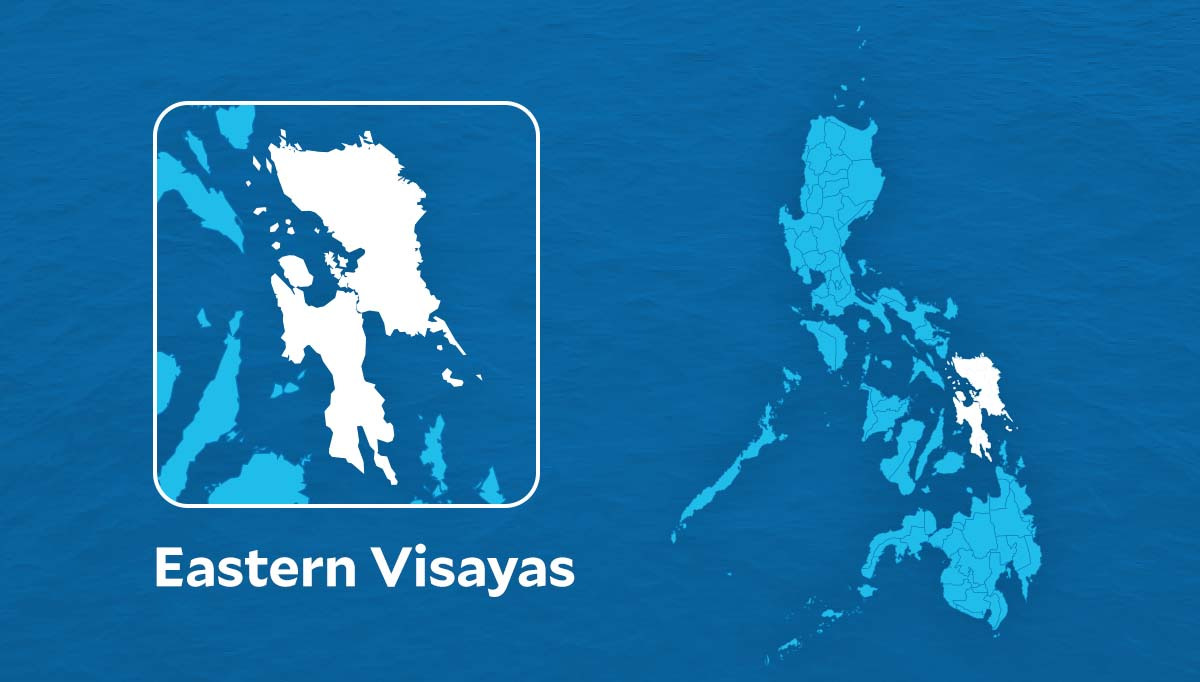
How Law Enforcement Success in Eastern Visayas Shapes Investment Prospects
Recent police operations in Eastern Visayas have led to the arrest of 61 wanted individuals, signaling a stronger rule of law and improved safety. This development holds significant implications for expats and investors considering opportunities in the region.

