EEC’s Zero-Dollar Industrial Zones: Crackdown, Fallout, and Lessons for Investors
Source: Pattaya Mail
The Rise and Fall of the 'Zero-Dollar' Industrial Ecosystem
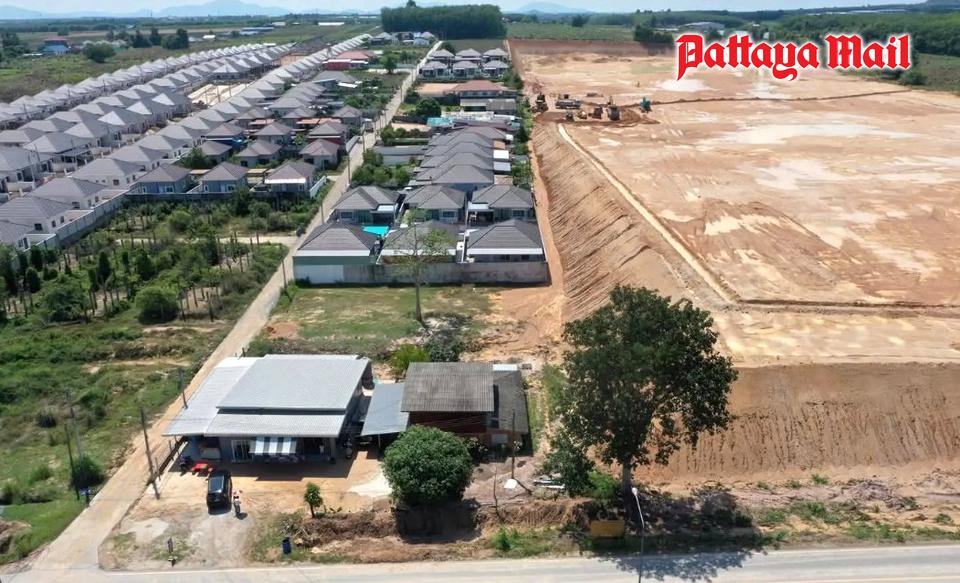
In recent years, the Eastern Economic Corridor (EEC) — spanning Chachoengsao, Chonburi, and Rayong — has witnessed a dramatic transformation. Vast agricultural fields gave way to sprawling industrial developments, driven by foreign capital and skyrocketing land prices. However, a nationwide crackdown on nominee shareholders is now unraveling this rapid expansion, exposing systemic vulnerabilities and reshaping the investment landscape.
How the Shadow Economy Operated
Foreign investors, particularly from China, circumvented Thailand’s foreign ownership restrictions by using Thai nominee shareholders. Rather than operating within the regulated framework of the Industrial Estate Authority of Thailand (IEAT), these groups targeted 'Non-IEAT' zones. Here, they could:
- Acquire land at inflated prices (up to 7 million THB per rai), creating artificial scarcity and speculative bubbles.
- Construct facilities registered as warehouses, sidestepping environmental and licensing regulations while secretly enabling heavy manufacturing.
- Import construction materials, skilled labor, and management almost exclusively from China, with manual labor sourced from Myanmar via broker networks.
This closed-loop system resulted in 'invisible Chinatowns' — enclaves where economic activity and wealth circulated internally, largely bypassing the Thai economy.
Impact on Local Communities and the Thai Economy
The model offered little benefit to local stakeholders:
- Tax Evasion: By misclassifying operations and using nominee structures, these businesses avoided significant tax liabilities.
- Resource Strain: Factories consumed local infrastructure and utilities, while environmental costs and waste were externalized onto Thai communities.
- Missed Opportunities: Local SMEs and workers were excluded from supply chains and employment, as nearly all inputs and labor were imported.
The result was a sense of economic disenfranchisement among locals, who saw little return from the industrialization of their regions.
Regulatory Crackdown and Market Fallout
Thai authorities, leveraging AI and enhanced scrutiny from the Department of Business Development and anti-money laundering agencies, have begun investigating over 20,000 suspicious companies. The EEC, as a hotspot for these nominee-driven ventures, has become ground zero for enforcement.
The consequences are profound:
- Asset Seizures: If nominee links are proven, properties and businesses face confiscation and closure.
- Panic Selling: Owners are rushing to offload land and unfinished warehouses, but buyers are scarce due to legal risks and regulatory uncertainty.
- Market Illiquidity: Land once valued at 7 million THB per rai is now difficult to sell, leaving behind abandoned developments and financial losses.
Lessons for Expat and Foreign Investors
This episode offers critical insights for expats and investors considering opportunities in Thailand’s EEC or similar emerging markets:
- Regulatory Compliance is Paramount: Shortcuts via nominee structures or regulatory arbitrage may yield short-term gains but carry significant long-term risks, including asset forfeiture.
- Due Diligence is Essential: Prospective buyers must scrutinize land titles, zoning, and company structures to avoid inheriting legal liabilities.
- Community Integration Matters: Sustainable investment models that engage local suppliers, workers, and communities are more resilient and less likely to attract regulatory backlash.
- Market Correction is Inevitable: Artificially inflated land prices and speculative bubbles are unsustainable; prudent investors should be wary of overheated markets.
Looking Ahead: A New Era for the EEC?
The Thai government’s crackdown signals a shift toward greater transparency and enforcement in the EEC. While the immediate fallout is painful — with abandoned projects and falling land values — it may ultimately pave the way for more legitimate, inclusive, and sustainable investment. For expats and foreign investors, the lesson is clear: align with the letter and spirit of Thai law, and prioritize long-term value creation over short-term arbitrage.
Source: Pattaya Mail
This article is provided for informational purposes only and does not constitute financial or legal advice. Information sourced from Pattaya Mail may have been edited for clarity. Always verify details with official sources before making any decisions.
Related Articles

Mayon Volcano’s Renewed Activity: Implications for Investors and Expats in the Philippines
Mayon Volcano's ongoing eruptions and ash emissions present both immediate risks and long-term considerations for investors and expatriates in the Philippines, particularly in the Bicol region. This analysis explores the economic, real estate, and infrastructure impacts, as well as potential opportunities arising from the situation.