Dollar on the Defensive: What Middle East Tensions Mean for Thailand’s Expats and Investors
Source: Free Malaysia Today
Dollar Weakness and Global Uncertainty: Implications for Thailand
The US dollar’s recent retreat in Asian markets, driven by hopes for a ceasefire in the Iran-US conflict, is sending ripples through global financial systems. For expats, investors, and businesses in Thailand, these developments are more than just headlines—they shape currency exchange rates, investment strategies, and the broader economic outlook.
Key Drivers: Middle East Tensions and Oil Prices
The ongoing negotiations between the US and Iran have injected both hope and uncertainty into markets. While Iran’s review of a US peace proposal has calmed nerves, analysts caution that unless the Strait of Hormuz—a vital artery for global oil shipments—is reopened, oil prices could remain elevated or even climb further. Brent crude’s modest uptick in early trading underscores this risk.
For Thailand, a net oil importer, sustained high oil prices can feed into inflation and pressure the baht. However, the recent dip in oil prices on de-escalation hopes has temporarily eased these concerns, providing relief to importers and consumers alike.
Currency Movements: Baht, Dollar, Yen, and Euro
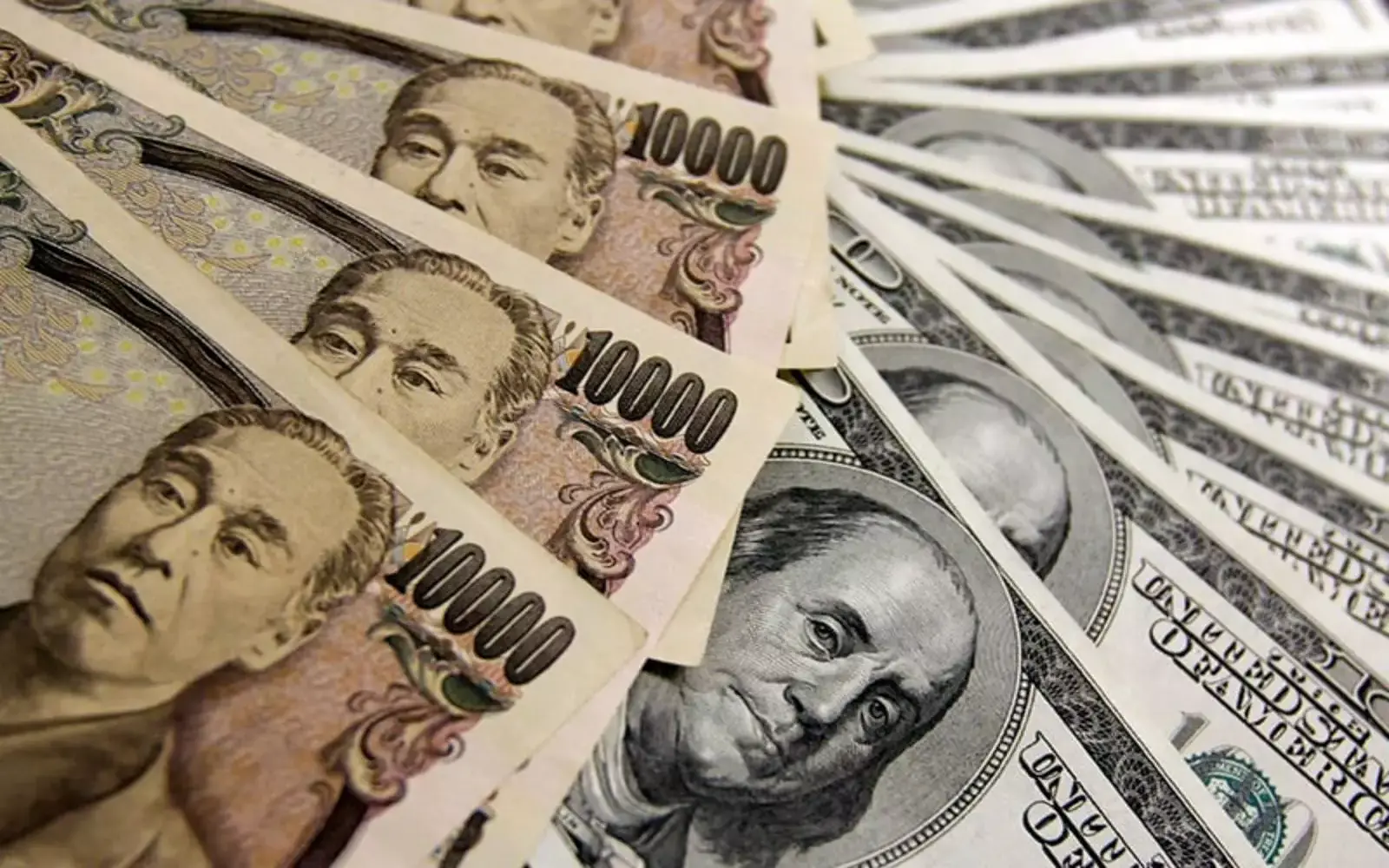
As the dollar index fell back from recent highs, the euro strengthened—reflecting Europe’s sensitivity to energy costs. Meanwhile, the Japanese yen surged on suspected intervention by Tokyo, with authorities reportedly selling billions to support their currency. These moves highlight the volatility and policy responses shaping the currency landscape.
For expats and investors in Thailand, the baht’s performance is closely tied to these global shifts. A weaker dollar can make US-denominated investments less attractive, while a stronger yen may influence regional trade and tourism flows. The euro’s gains could also impact European investment and travel to Thailand.
Investment Insights: Navigating Volatility
- Currency Hedging: With the dollar on the defensive, consider strategies to hedge against further USD weakness, especially if your income or assets are dollar-linked.
- Oil-Exposed Sectors: Monitor Thai industries sensitive to oil prices, such as transportation, manufacturing, and tourism. Lower oil prices can boost margins and consumer spending, while renewed spikes could have the opposite effect.
- Interest Rate Outlook: Easing inflation fears may reduce pressure on central banks to hike rates, supporting risk assets in emerging markets like Thailand. However, any reversal in oil prices or escalation in the Middle East could quickly change this calculus.
- Regional Opportunities: The yen’s volatility and possible intervention signal opportunities (and risks) for those with exposure to Japanese assets or businesses trading with Japan.
What to Watch Next
For the Thai expat and investor community, the coming weeks will be pivotal. Key questions include:
- Will the US-Iran talks yield a lasting peace and reopen the Strait of Hormuz?
- How will oil prices respond to any breakthrough—or setback—in negotiations?
- Will central banks in the US, Japan, and Europe adjust their policies in response to shifting inflation and currency dynamics?
Staying informed and agile will be essential. While the current environment offers opportunities—such as lower oil costs and a softer dollar—it also demands vigilance against sudden reversals.
Conclusion
The interplay between geopolitics, energy markets, and currency intervention is creating a complex landscape for Thailand’s expats and investors. By understanding the drivers and preparing for volatility, stakeholders can better position themselves for both risks and rewards in the months ahead.
Source: Free Malaysia Today
This article is provided for informational purposes only and does not constitute financial or legal advice. Information sourced from Free Malaysia Today may have been edited for clarity. Always verify details with official sources before making any decisions.
Related Articles

Mayon Volcano’s Renewed Activity: Implications for Investors and Expats in the Philippines
Mayon Volcano's ongoing eruptions and ash emissions present both immediate risks and long-term considerations for investors and expatriates in the Philippines, particularly in the Bicol region. This analysis explores the economic, real estate, and infrastructure impacts, as well as potential opportunities arising from the situation.