Chinese Exporters Show Resilience as US Tariff Threats Lose Impact
Source: Free Malaysia Today
Chinese Exporters Show Resilience as US Tariff Threats Lose Impact
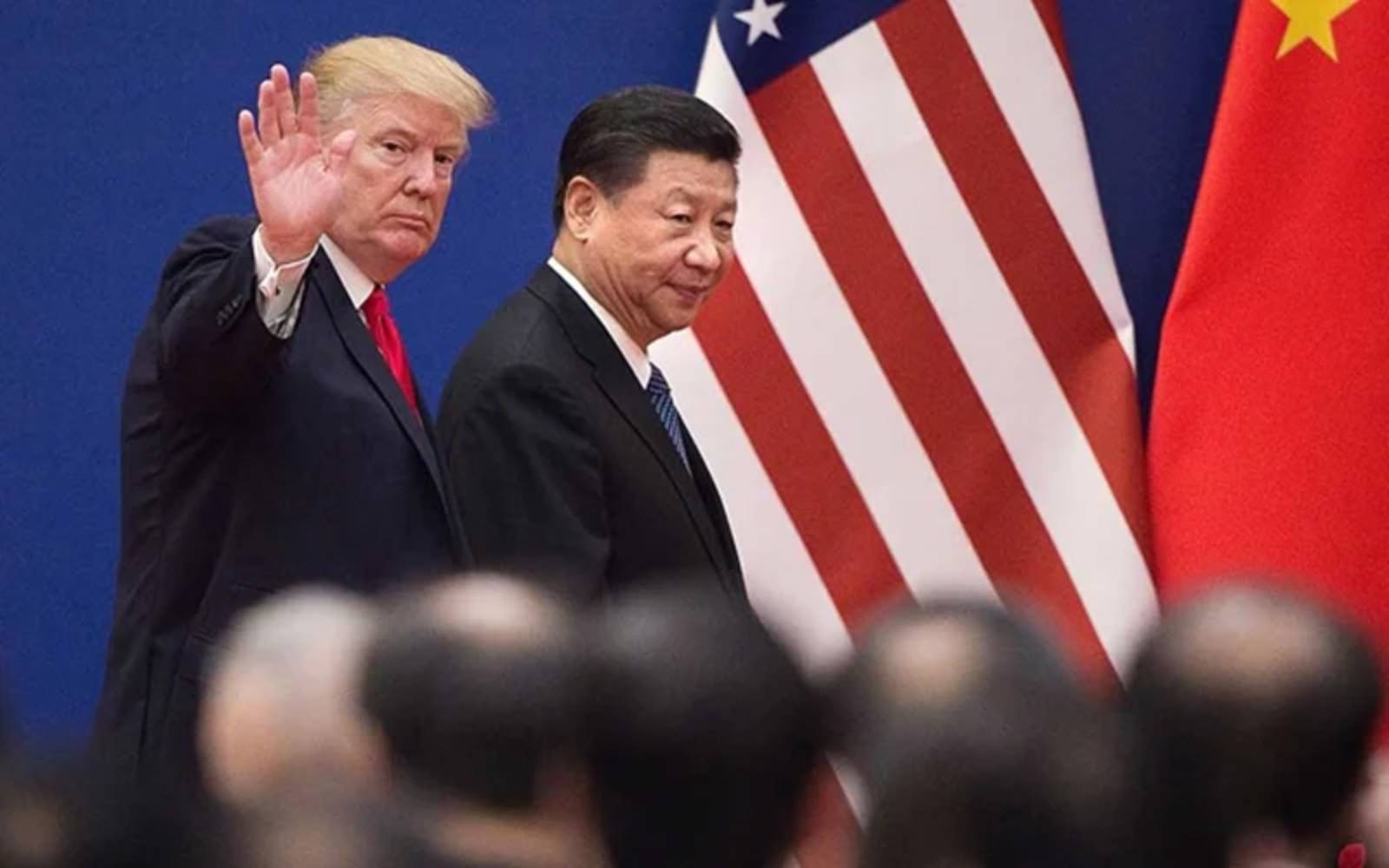
As US President Donald Trump prepares for a high-profile visit to Beijing, the mood among Chinese exporters is notably calm. Years of tariff battles and supply chain disruptions have forged a new resilience in China’s manufacturing sector, with exporters and their global partners adapting to a landscape where political threats have become routine rather than exceptional.
Tariffs: From Shock to Strategy
When tariffs on Chinese goods soared to triple digits in 2025, many predicted a mass exodus of manufacturing from China and a collapse in its export-driven economy. Instead, Chinese firms weathered the storm by partially passing costs to US consumers and, crucially, by accelerating their expansion into alternative markets. The result: while exports to the US dropped 20%, China’s overall trade surplus hit a record US$1.2 trillion, buoyed by double-digit growth in Africa, Southeast Asia, Latin America, and the EU.
- Africa: Exports up 25.8%
- Latin America: Exports up 7.4%
- Southeast Asia: Exports up 13.4%
- EU: Exports up 8.4%
This diversification mirrors Beijing’s broader strategy of reducing reliance on any single market and enhancing self-sufficiency across supply chains. For expats and investors, this signals that China’s export sector is not only surviving but evolving, with new opportunities emerging in regions previously overlooked by global capital.
Supply Chain Leverage and Rare Earths
China’s dominance in critical supply chains remains a powerful bargaining chip. Export controls on rare earths—essential for semiconductors and defense—demonstrate Beijing’s ability to influence global industries. As Cameron Johnson of Tidalwave Solutions notes, China could extend such controls to pharmaceuticals, industrial machinery, or even transformers vital to the US energy grid. While the ongoing Iran conflict gives the US some leverage via energy exports, China’s industrial breadth provides long-term strategic advantage.
Relocation Pressures Ease, Diversification Slows
For much of the past decade, US-China trade tensions prompted manufacturers to explore alternatives in Vietnam, Thailand, India, and Indonesia. However, as tariffs have receded from the headlines and the cost-benefit calculus shifts, many firms are pausing or reversing relocation plans. According to industry executives, the majority of supplier networks remain anchored in China, with only incremental moves toward diversification. The urgency to ‘de-risk’ has given way to a more measured approach, as companies recognize the depth and efficiency of Chinese supply chains.
Truce or Temporary Relief?
While the prospect of a new tariff truce is welcomed by both Chinese and American business communities, there is widespread skepticism about its durability. As Eric Zheng of the American Chamber of Commerce in Shanghai observes, companies are seeking long-term certainty, not short-term reprieves. The cyclical nature of trade tensions has left many executives ‘numb’ to political rhetoric, focusing instead on operational resilience and market agility.
Implications for Expats and Investors
For expats and investors in Thailand and across Asia, the evolving US-China trade dynamic offers both risks and opportunities:
- Manufacturing Diversification: While China remains the anchor, Southeast Asia continues to attract investment as a complementary base, especially for firms hedging against future shocks.
- Supply Chain Integration: Thailand’s role as a regional logistics and manufacturing hub is likely to grow, benefiting from both Chinese outbound investment and Western ‘China+1’ strategies.
- Market Expansion: As Chinese exporters deepen ties in emerging markets, investors should watch for growth in sectors like consumer electronics, machinery, and green technologies across Africa, ASEAN, and Latin America.
- Geopolitical Volatility: The risk of sudden policy shifts remains, underscoring the need for flexible business models and diversified market exposure.
In summary, the era of panic-driven supply chain shifts appears to be over, replaced by a pragmatic, globally diversified approach. For those navigating Asia’s economic landscape, understanding these shifts is key to capitalizing on new opportunities while managing persistent uncertainties.
Source: Free Malaysia Today
This article is provided for informational purposes only and does not constitute financial or legal advice. Information sourced from Free Malaysia Today may have been edited for clarity. Always verify details with official sources before making any decisions.
Related Articles

Mayon Volcano’s Renewed Activity: Implications for Investors and Expats in the Philippines
Mayon Volcano's ongoing eruptions and ash emissions present both immediate risks and long-term considerations for investors and expatriates in the Philippines, particularly in the Bicol region. This analysis explores the economic, real estate, and infrastructure impacts, as well as potential opportunities arising from the situation.