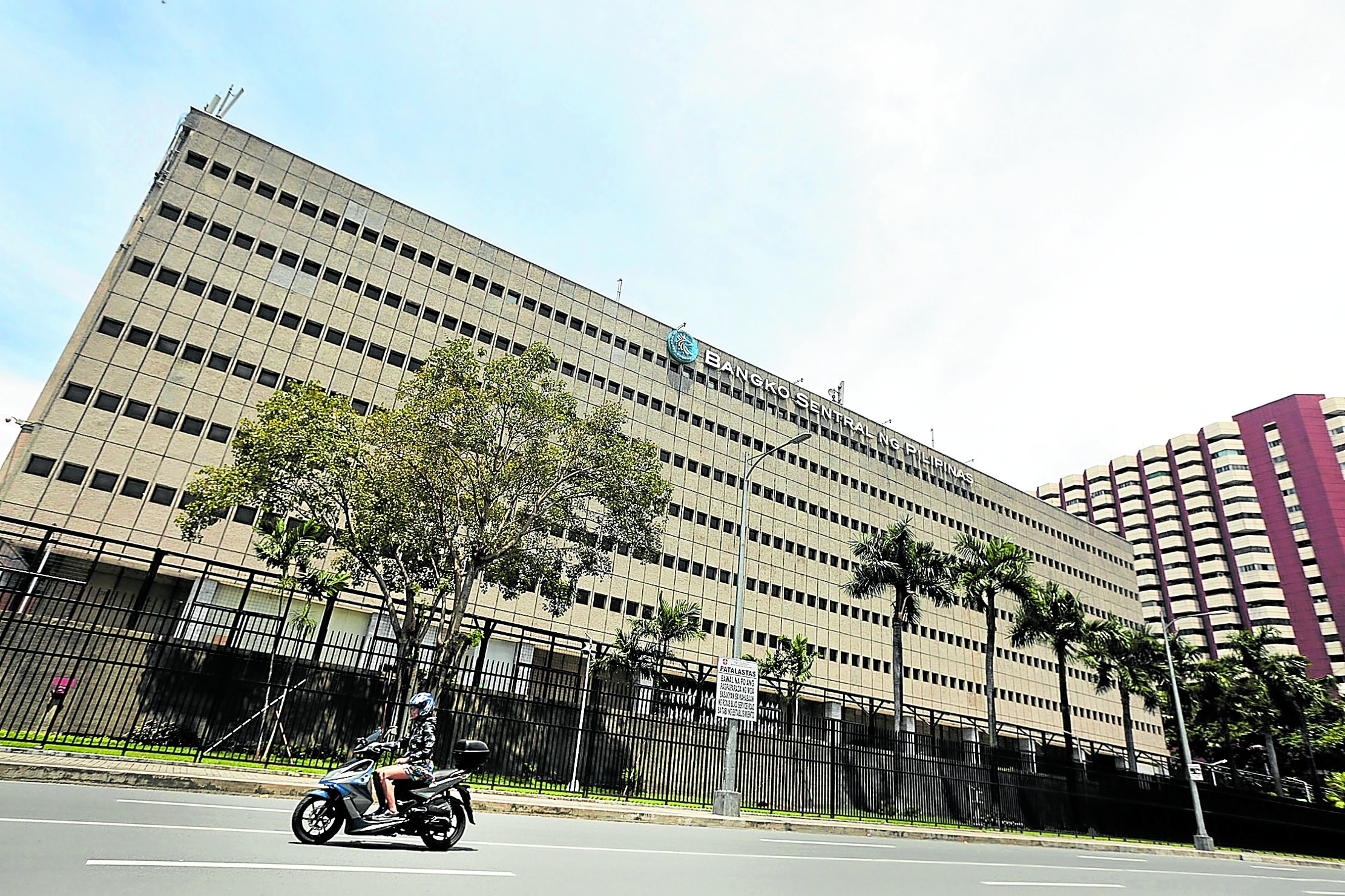
BSP Executive Compensation: What High Salaries Signal for Expats and Investors
Source: Inquirer
BSP Leadership Tops Government Pay: A Closer Look
The latest report from the Commission on Audit (COA) reveals that Bangko Sentral ng Pilipinas (BSP) Governor Eli Remolona Jr. is the highest-paid government official in the Philippines for 2025, earning over PHP 52 million. This marks the third consecutive year a BSP governor has led the list, with other BSP executives also dominating the top 12 spots. For expats and investors, these figures offer more than a headline—they provide insight into the priorities and structure of the Philippine financial sector.
Why Are BSP Executives Paid So Much?
Since its reorganization in 1993, the BSP has been exempt from the government’s salary standardization law. This allows the central bank to offer compensation packages that are competitive with the private sector and international peers. In 2025, Governor Remolona's compensation included a basic salary of PHP 12 million, bonuses and incentives of PHP 21.6 million, allowances of PHP 18 million, and discretionary funds of PHP 1 million.
Other top earners include:
- BSP Deputy Governor Elmore Capule: PHP 36 million
- Senior Assistant Governors Johnny Noe Ravalo and Edna Villa: ~PHP 30.5 million each
- Monetary Board Members and Deputy Governors: PHP 24–30 million
Implications for Investors and Expats
For those considering investment or relocation, the high compensation of BSP officials can be interpreted in several ways:
- Talent Retention: Competitive pay helps attract and retain skilled professionals, which is crucial for effective monetary policy and financial stability.
- Governance and Independence: Exemption from standard salary caps is designed to insulate the central bank from political interference, supporting its independence—a key factor for investor confidence.
- Sectoral Priorities: The fact that financial regulators are the best-compensated public officials signals the government’s recognition of the importance of a robust, well-managed banking sector.
Comparisons with Regional Peers
While the absolute figures may raise eyebrows, it is not unusual for central bank leaders in Southeast Asia to receive compensation packages that far exceed those of other public officials. The rationale is that central banks operate in a globalized environment and must compete for talent not just locally, but internationally.
Potential Risks and Criticisms
Despite the rationale, high executive pay in the public sector can be controversial, especially in a country with significant income inequality. Critics may argue that such compensation is excessive. However, for investors, the key concern is whether this translates into effective governance and macroeconomic stability.
What This Means for the Philippine Investment Climate
For expats and investors, the BSP’s ability to attract top talent and maintain operational independence is a net positive. It suggests a commitment to sound monetary policy, regulatory oversight, and financial sector modernization—all of which are vital for a stable investment environment.
However, it is also important to monitor how these compensation practices are perceived domestically. Public backlash or political intervention could eventually impact the central bank’s autonomy, which would be a red flag for investors.
Key Takeaways
- The BSP governor and top officials are the highest-paid public executives in the Philippines, reflecting the sector’s strategic importance.
- High compensation supports talent retention and institutional independence, both crucial for investor confidence.
- Expats and investors should view this as a sign of the government’s commitment to financial sector stability, but remain alert to any shifts in public or political sentiment.
In summary, the BSP’s executive pay structure is a window into the priorities and governance of the Philippine financial system—an important consideration for anyone investing or relocating to the country.
Source: Inquirer
This article is provided for informational purposes only and does not constitute financial or legal advice. Information sourced from Inquirer may have been edited for clarity. Always verify details with official sources before making any decisions.
Related Articles

Mayon Volcano’s Renewed Activity: Implications for Investors and Expats in the Philippines
Mayon Volcano's ongoing eruptions and ash emissions present both immediate risks and long-term considerations for investors and expatriates in the Philippines, particularly in the Bicol region. This analysis explores the economic, real estate, and infrastructure impacts, as well as potential opportunities arising from the situation.